“Thermal bag” and “insulated bag” are often overlapping descriptions. Neither term, by itself, tells you whether a bag is intended for hot food, cold food or both. Passive insulation slows heat transfer; the intended use depends on the finished construction, temperature limits and packing method.
To compare two products, ask what is inside the walls, how the bag closes and what performance evidence applies to the intended load. A reflective lining or a thicker appearance alone does not establish a retention time.
1. What do the names tell you?
Suppliers and brands may use thermal, insulated and cooler in overlapping ways. For example, reisenthel’s thermoshopper is also described as a cooler bag and is intended for chilled groceries. The word “thermal” does not restrict a bag to hot-food use.
Confirm the intended contents and temperature range for the actual model. Insulation slows temperature change but does not actively heat or refrigerate the load.
2. What does each layer do?
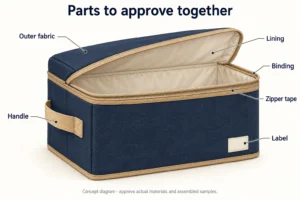
The outer shell helps protect the bag from handling and wear. The insulating layer slows heat transfer through the panels. The inner liner forms the surface around the contents and affects cleaning and spill management. Some designs combine these layers into a laminate.
Review the construction across the base, sides and lid. Gaps in insulation, compressed sections and repeated opening can affect the assembled bag’s performance. Ask the supplier to identify each layer and its specification instead of using “thermal” as a material description.
A metallic-looking liner may be part of a laminate that also contains foam. Its appearance alone cannot establish how long the contents will remain within a target temperature range.
3. How long do they work?
A useful retention claim states the starting temperature, ambient conditions, contents, cold or heat source, opening schedule and target temperature limit. Compare results only when the conditions are relevant to the same task.
Ask where the temperature was measured and how long the test ran. A result for one load and packing method does not establish the same holding time for a different use.
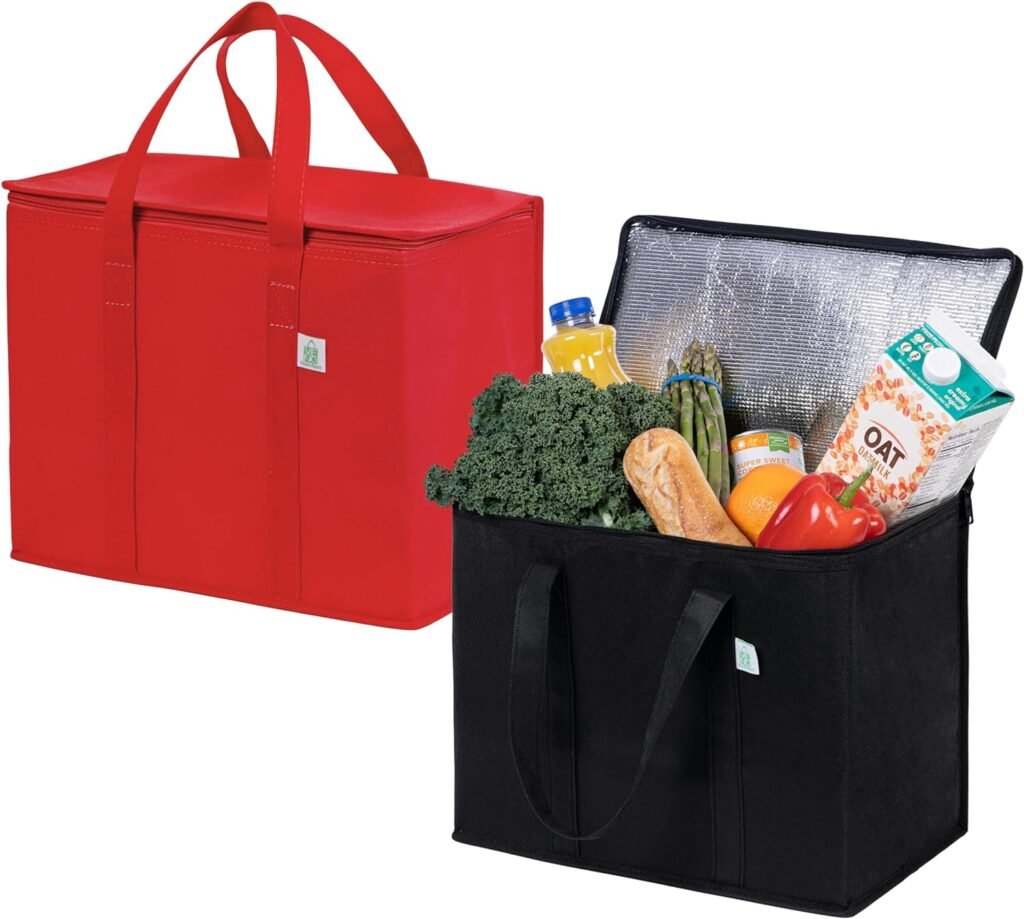
4. Match the construction to the intended use
Start with the contents, their required temperature range and the time they will spend away from suitable storage. Then assess whether the bag and packing method meet those conditions. A test for chilled drinks does not establish suitability for medicine transport or another temperature-sensitive use.
For food, follow the relevant storage guidance as well as the product instructions. A bag that feels cool or warm does not by itself show that the contents are being held safely.
5. Shape, structure and durability
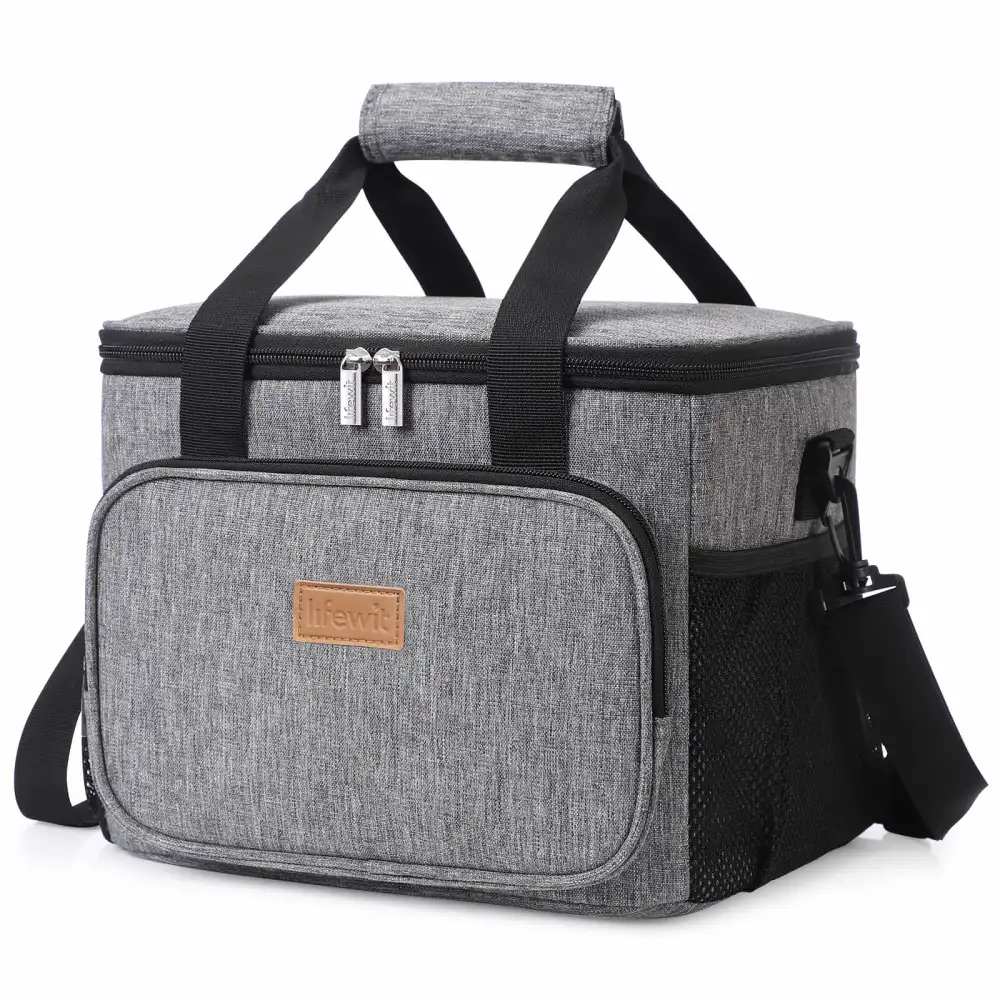
Either name may be used for a simple foldable tote or a more structured design. Compare the shell, seams, handles, closure and base support for the intended load.
Check whether the liner is easy to clean and whether seams and closures are designed to contain spills. A water-resistant shell does not establish a leakproof interior. Confirm storage and folding instructions for the particular model.
6. Custom and bulk options
Both types can be made in different sizes, colors, and materials. Available changes depend on the model and supplier, so discuss the dimensions, liner, insulation, closure and carrying requirements directly.
For a custom project, review Great Shine’s cooler and insulated bags and identify the intended contents, dimensions and operating conditions before discussing material options. Confirm any performance claim against the proposed sample.
Choose the bag by its intended temperature range, load, construction and care requirements. If you are comparing bags for an everyday packed meal, use our insulated lunch bag and lunch cooler bag comparison for packing, cleaning and selection details.