Quick answer
A cooler bag slows heat transfer, but a passive insulated bag does not produce cold. Start with chilled food, add suitable frozen cold sources, close the bag properly, and keep it away from unnecessary heat. Use temperature guidance for the food you carry rather than assuming a bag will keep every meal safe for a fixed number of hours.
Good packing also depends on fit. Food containers and cold packs must fit together without stretching the closure or crushing the meal. Choose a bag you can lift comfortably when full, with an interior you can clean and dry according to its instructions.
What a cooler bag can and cannot do
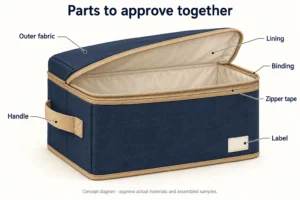
Most soft cooler bags use an outer shell, an insulating layer, and an inner lining. Together, these layers slow heat movement between the contents and the surroundings. Openings, seams, and the closure also affect the complete bag’s performance.
Insulation helps maintain a temperature difference. It does not turn warm food into safely chilled food, and it cannot keep perishable food cold indefinitely. An ordinary passive bag needs a cold source and a suitable starting temperature.
A short grocery journey and a lunch eaten several hours outdoors place different demands on the bag. Plan the cold sources and destination storage around the full time before refrigeration or eating, including any stops along the way.
Choose the bag around your containers
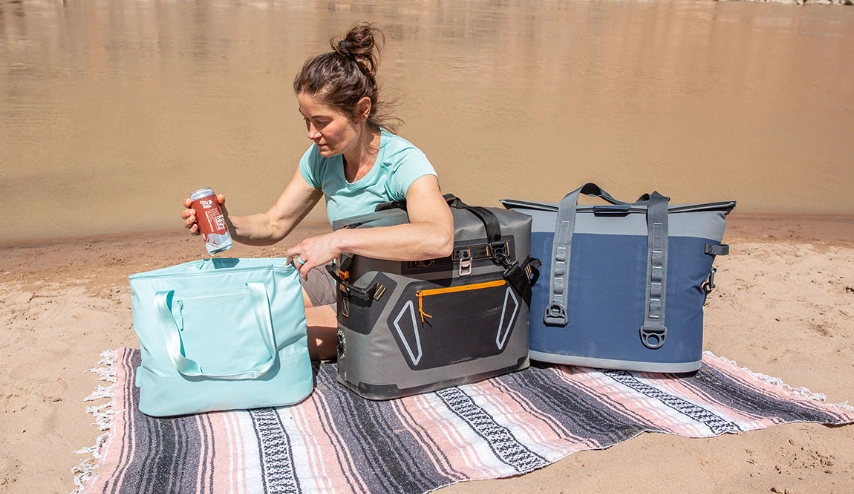
Start with the containers you plan to carry. Measure their outside dimensions, including lids and projecting clips, then allow space for cold packs around them.
A stated capacity in liters does not show whether a flat lunch container will fit through the opening. A tall, narrow bag may suit bottles but make stacked meal boxes awkward. A broad opening can make it easier to lift containers out without tilting them.
Check these points before choosing:
- Whether the main container sits in its intended position.
- Whether cold packs fit without forcing the zipper.
- Whether the filled bag remains stable on a flat surface.
- Whether you can reach the meal without removing everything.
- Whether the full load is comfortable to carry.
Avoid buying a very large bag solely for occasional extra space. A bag that matches your regular load is usually easier to pack and handle. For a larger outing, consider how you will provide adequate cooling for the additional contents.
Chill food before packing
Put already chilled food into the bag shortly before departure. Do not rely on a cold pack to compensate for food that has been left warm during preparation.
For packed lunches, USDA recommends thoroughly chilling prepared food and using at least two cold sources with perishable items. It also advises refrigerating perishable food on arrival when a refrigerator is available.
Prepare the bag, containers, and cold packs before taking food out of the refrigerator. That keeps the packing process straightforward and reduces avoidable time on the counter.
If your bag’s instructions recommend pre-cooling, follow the stated method. There is no single pre-cooling time that applies to every bag. Avoid putting the entire bag in a freezer unless its maker permits that use.
Position cold sources where they serve the food
Cold sources need to fit alongside the items that require cooling. A pack tucked into an unrelated outer pocket may do little for a meal deep inside the bag.
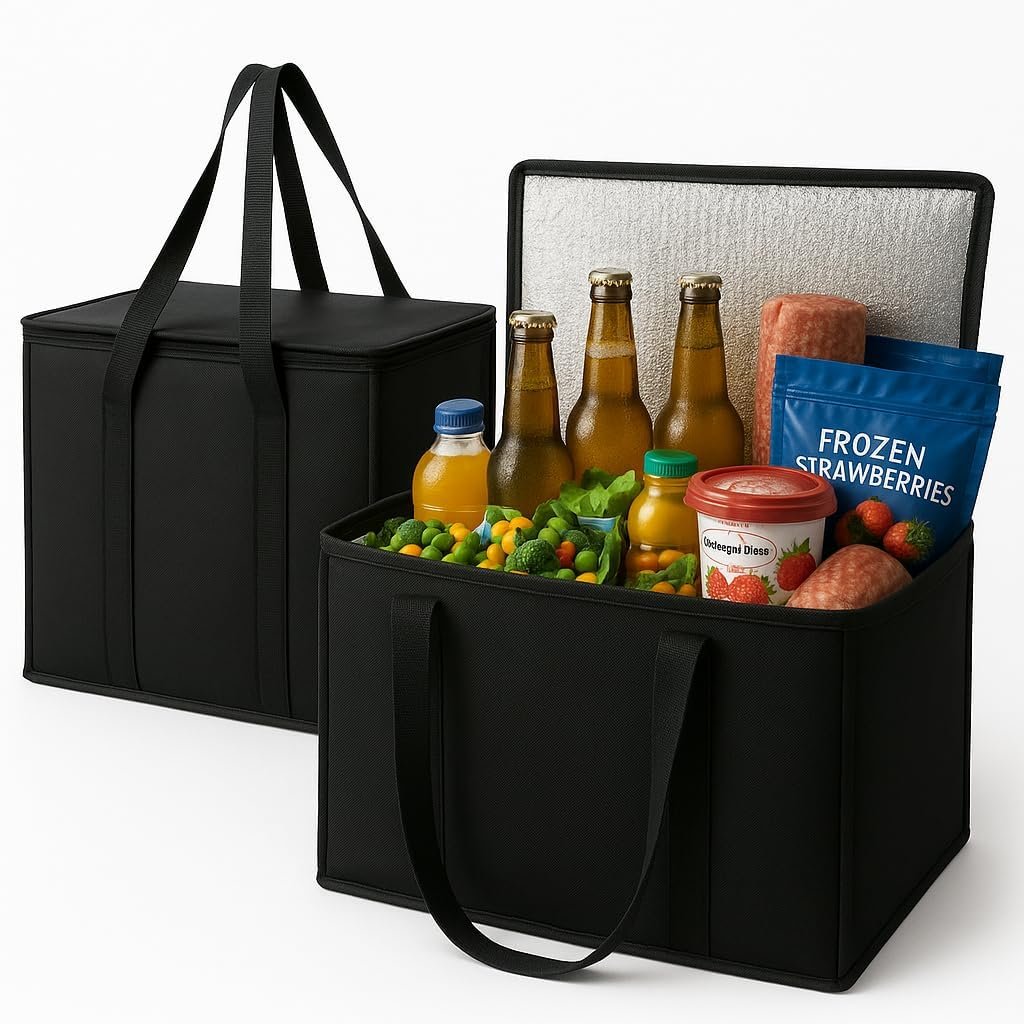
For an insulated lunch bag, USDA’s packing guidance places frozen sources above and below perishable food. The right arrangement for a larger cooler also depends on its shape and the load.
Check reusable packs before use. Follow their instructions for freezing and handling, and stop using a pack that leaks or has a damaged closure. Keep food in its own suitable container.
Loose ice creates meltwater. Use it only if the bag is designed for that purpose, and still keep food protected from water. A wipeable liner is not proof that the whole bag will hold liquid without leaking.
Separate foods and prevent leaks
Pack raw meat and poultry so their juices cannot reach ready-to-eat food. Suitable sealed containers provide more dependable separation than relying on the bag’s fabric compartments.
For outdoor trips, USDA recommends keeping raw meat and poultry separate, ideally in another cooler. When only one cooler is used, raw items should remain contained below ready-to-eat foods.
The same practical habit helps with ordinary spills. Check that food-container lids close correctly before placing them in the bag. Keep sauces and drinks upright where possible, without assuming orientation alone prevents leakage.
Put utensils, napkins, and other dry supplies in a separate pocket if the design provides one. This leaves the insulated space available for food and cold sources while keeping clean items away from condensation.
Keep the bag closed and manage access
Arrange the contents so the first items needed are accessible. Repeatedly searching through an open bag makes handling slower and exposes the interior to the surroundings.
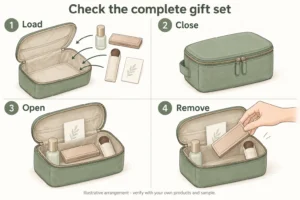
Before closing, move loose fabric and packaging away from the zipper. Close the bag without compressing rigid containers into the opening. If the lid cannot meet the body naturally, reduce or rearrange the load.
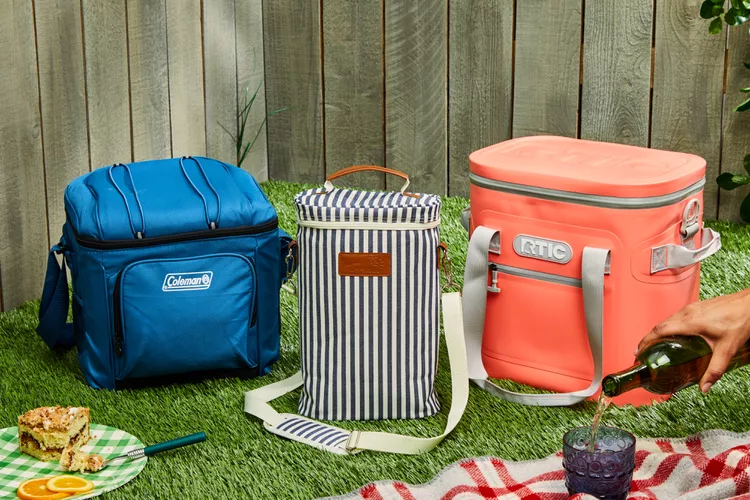
At a picnic, a separate drinks cooler can reduce how often the food cooler is opened. The FDA’s outdoor food guidance includes this approach because drinks are often retrieved repeatedly.
Keep the bag shaded and out of a hot parked vehicle where possible. Shade is helpful, but it does not replace cold sources or temperature checks.
Check temperature throughout the planned use
There is no universal answer to how long a cooler bag keeps food cold. Results depend on the starting temperature, amount and placement of cooling, outside conditions, bag construction, and how often it opens.
For perishable foods, the relevant target is safe storage temperature. USDA advises using an appliance thermometer in a cooler to check that food stays at 40°F, about 4.4°C, or below.
A “keeps cold for hours” claim needs its test conditions and measured result. Ask whether it describes the food temperature, air inside the bag, or ice remaining. A drink that still feels cool does not establish a safe temperature for the rest of the contents.
Do not use smell or taste to decide whether perishable food has been handled safely. When food has exceeded safe time and temperature limits, adding a fresh cold pack does not erase what happened earlier.
Plan what happens at the destination
Before leaving, identify where the food will go when you arrive. A refrigerator at work changes the bag’s job: it needs to support the journey, then the food can move into refrigerated storage.
If there is no refrigerator, plan sufficient cooling for the full period before eating. Also consider the return journey and any leftovers. A plan that only accounts for travel time can leave a gap after arrival.
USDA’s consumer guidance limits unrefrigerated perishable food to two hours, or one hour when conditions are above 90°F, about 32°C. These are handling limits, not a promise that every cooler bag provides that much additional time. USDA’s school lunch reminders explain the temperature risk.
When you cannot provide appropriate cold storage, choose foods that do not require it, following their labels. This can be more practical than trying to make an unsuitable bag perform as a refrigerator.
Check carrying comfort with the full load
Food containers and frozen packs can make a bag heavier than it looks. Test the carrying method with a realistic load before relying on it for a long walk.
Look at both the handles and their attachment points. A shoulder strap may be useful for some routes, but its adjustment should keep the bag from swinging awkwardly. A wide, packed bag can be uncomfortable even with padding.
Place the bag where it remains upright during transport and does not interfere with driving or access. Avoid hanging a heavy cooler from another bag unless both products are designed for that connection.
If wheels are part of the design, remember that you will still need to lift it over steps or into a vehicle. Choose a total load that you can manage at those points.
Clean the bag according to its construction
Empty the bag after use and inspect the liner, corners, seams, and closure. Food residue is easier to address before it dries into an inaccessible fold.
Follow the maker’s cleaning instructions. Some interiors allow wiping with a mild cleaning solution, while other components may need a different method. Do not assume that a removable-looking liner can be pulled out or machine washed.
Avoid soaking the bag unless that is specifically permitted. Water can enter padding or areas that are difficult to dry. Abrasive brushes and harsh cleaners can also damage certain finishes.
Let every part dry before closing the bag for storage. If persistent contamination or damage cannot be cleaned according to the instructions, replace the affected component or bag rather than covering the smell with fragrance.
Inspect damage before the next trip
Look for liner tears, failed seams, a zipper that no longer closes properly, and loose handles. Damage can affect cleaning, containment, or handling even when the outer fabric still looks presentable.
A loose thread is different from a separating load-bearing seam. If you are unsure whether a carrying point remains sound, ask the supplier about repair or replacement. Do not load it heavily to see when it fails.
Check cold packs and food containers separately. A sound bag cannot compensate for a leaking pack or a container whose lid no longer seals.
Frequently asked questions
Can a cooler bag keep food cold without ice packs?
Insulation slows warming but does not create cold. Perishable food needs a suitable cold-storage plan. Use the relevant food-safety guidance and the bag’s instructions rather than assuming insulation alone is enough.
Can I put hot and cold food in the same compartment?
That makes it harder to maintain either temperature. Use suitable separate insulated containers and follow safe holding guidance for each food. A shared compartment is not a reliable temperature separator.
Is a PEVA liner proof that a bag is leakproof?
No. The material name does not describe the seams, openings, or complete construction. Check the specific bag’s stated use and avoid loose liquid unless the product is designed to contain it.
Does a bigger cooler bag stay cold longer?
Size alone does not determine performance. The amount of food and cooling, construction, surroundings, and handling all affect the result. Choose capacity around the load you need to carry.
Can I use a general cooler bag for temperature-sensitive medicine?
Do not assume that a food cooler meets a medicine’s storage requirements. Follow the medicine’s instructions and seek product-specific advice from a pharmacist or the manufacturer about a suitable transport system.
Can I wash a cooler bag in a washing machine?
Only when its care instructions allow it. Machine washing can be unsuitable for some linings, insulation, and structural parts. Use the stated cleaning method and dry the bag fully before storing it.
Make the packing plan before choosing the bag
Choose your containers, cold sources, and destination storage plan first. Then compare bags by usable space, access, carrying comfort, and care requirements.
To see examples of available formats, explore Great Shine’s cooler bags and insulated bags. Confirm the specifications and intended use of any selected design; a product category alone does not establish a safe holding time.