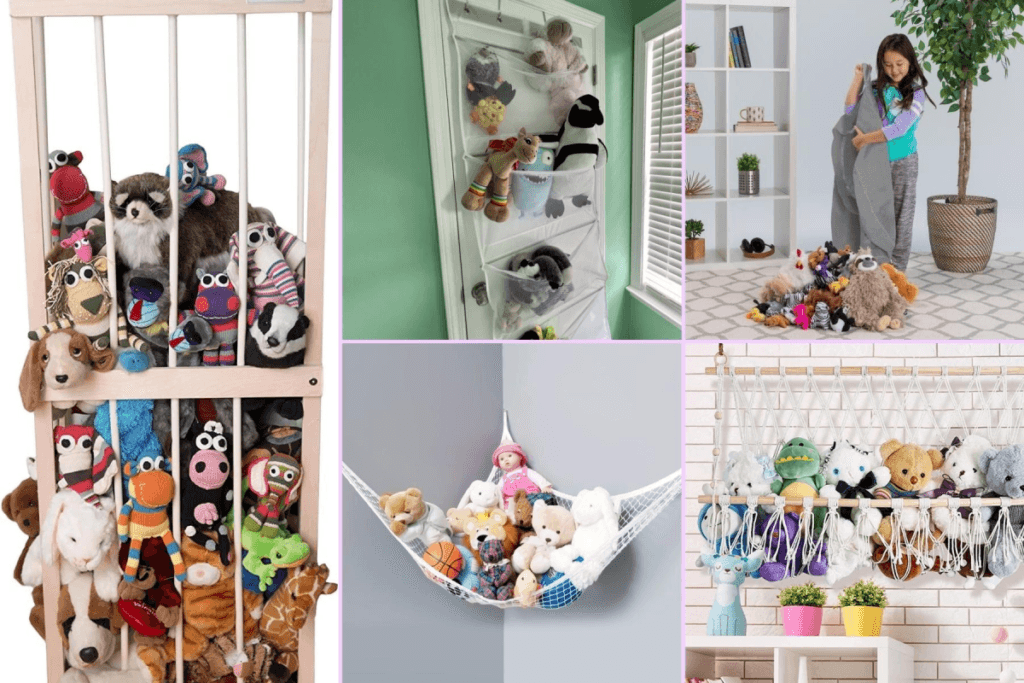
Store plush toys clean and fully dry in a container that supports their shape and keeps them accessible. Follow each toy’s care instructions before washing, drying or compressing it.
Separate everyday toys from delicate, collectible or electronic items. A method suitable for a washable soft toy may damage another toy with glued details, rigid parts or a battery compartment.

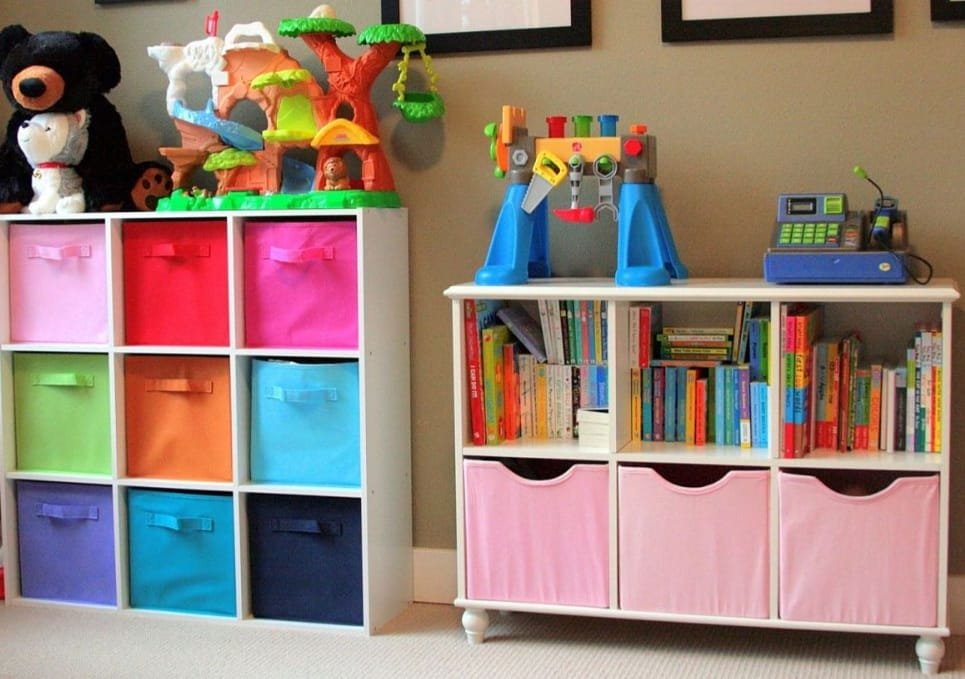
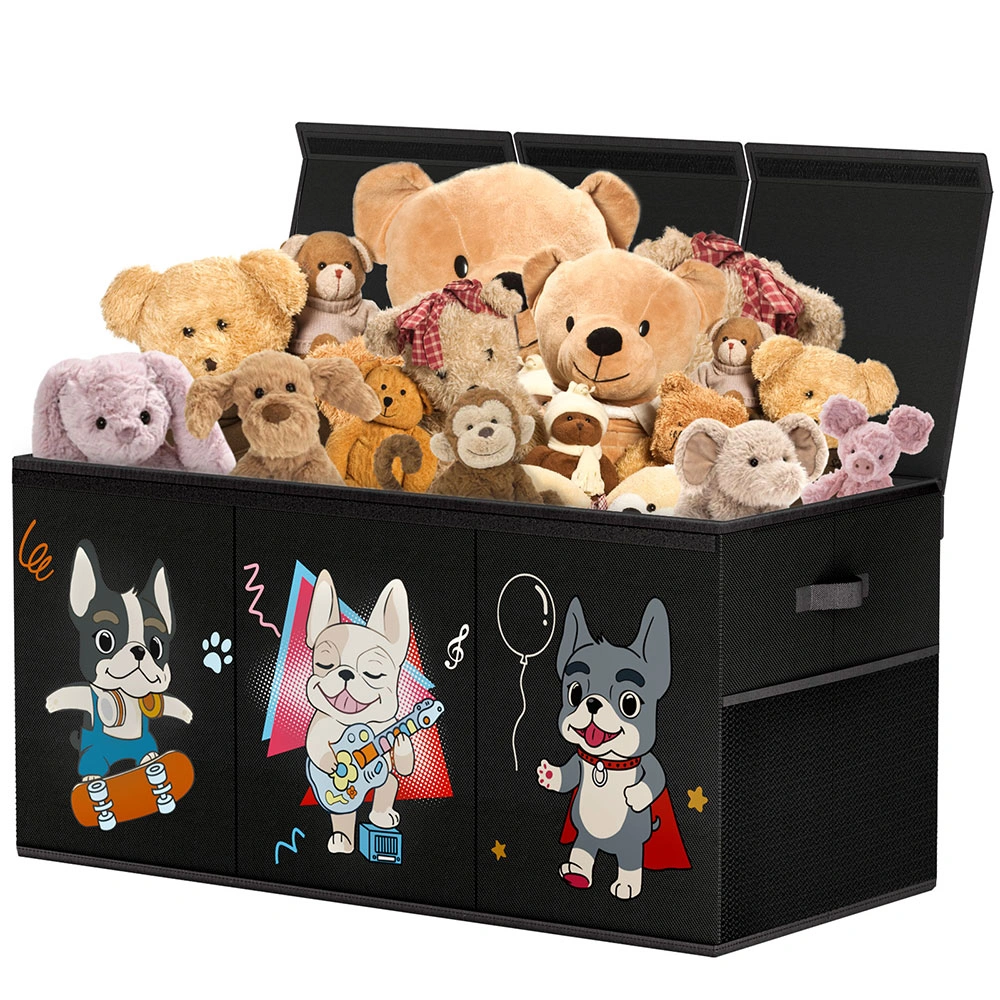

Check one representative toy and the intended container before packing a large group. The goal is to protect the items without forcing them into an unsuitable shape.
Prepare plush toys for storage
1. Separate delicate and frequently used toys
Group toys by condition, care requirements and how often they will be retrieved. Keep fragile attachments and rigid parts from pressing into softer toys. For retail stock, retain the product identification and any required packaging information.
2. Follow the care label before cleaning
Read the label or manufacturer’s instructions before using water, detergent, heat or a machine. Remove batteries only as instructed and keep electronic parts dry. If the cleaning method is unknown, obtain suitable care advice rather than assuming every plush toy can be washed.
3. Let the toy and container dry fully
Allow the toy and container to dry fully before closing the pack. Check seams and thick filling as well as the surface. A breathable fabric or desiccant does not make a damp item safe to store or establish that mould cannot develop.
4. Choose a container that does not distort the toy
Choose a size that allows the toys to sit without crushing features or forcing the lid. Consider the container’s closure, cleanability and the location where it will be kept. Avoid relying on a material name alone to claim protection against moisture or pests.
5. Use compression only when suitable
Check the toy maker’s guidance before using vacuum bags. Delicate shapes, foam, rigid parts and some filling constructions may not recover as expected. If suitability is uncertain, use a roomy container and review the condition after a short storage period.
6. Choose a clean, dry storage location
Keep stored toys away from leaks, damp surfaces, direct sunlight and heat sources. Place heavier containers where they can be handled safely. Inspect the location periodically and address moisture at its source rather than adding a cover over the problem.
7. Label and inspect stored groups
Label the visible side of each container and group toys so that frequently used items can be reached without unpacking everything. Inspect for changes in odour, moisture, surface condition or shape, and stop using a storage method that is damaging the contents.
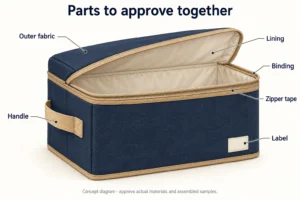
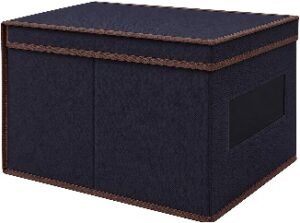
For a retail storage range, compare fabric storage box options against the intended toy sizes and handling requirements. Confirm any advertised protection or safety claim for the exact finished configuration.