
Last updated: July 2026 Reading time: 12 min
Moving house is consistently ranked among life’s most stressful events — right up there with changing jobs and ending a relationship. But here’s what experienced movers know that first-timers don’t: the stress doesn’t come from the move itself. It comes from disorganization.
This guide breaks down packing into a systematic, room-by-room process that works whether you’re moving across town or across the country. No vague advice — just a practical framework you can start using today.
Start With a Moving Binder
Before you buy a single cardboard box, create a moving binder — physical or digital. This is your command center.
What goes in it:
- Moving timeline and checklist
- Quotes from moving companies or truck rental
- Lease agreements, closing documents, or purchase contracts
- School enrollment records (if applicable)
- Medical and veterinary records transfers
- Utility company account numbers for both old and new addresses
- Change-of-address confirmation for mail forwarding (USPS Form 1583)
- Inventory list of high-value items (photos + serial numbers for insurance)
- Receipts for moving expenses (tax-deductible if you meet IRS distance and time tests)
Expert tip: Take photos of electronics before unplugging them. The back of your TV, router, and audio system may look like a tangle of cables now, but you’ll wish you had a reference photo when reconnecting everything in your new place.
Declutter First
The biggest packing mistake is paying to move things you should have discarded. Every item you declutter before the move is a box you don’t need to pack, load, unload, and unpack.
The 3-Box Method
Set up three boxes in each room before you start packing:
| Box | Label | What Goes In |
|---|---|---|
| 1 | Keep / Pack | Items going to your new home |
| 2 | Donate / Sell | Usable items you no longer need |
| 3 | Trash / Recycle | Broken, expired, or unusable items |
Room-Specific Decluttering Targets
Closet: Apply the 12-month rule. If you haven’t worn it in the last year, donate or sell. Seasonal items (winter coats, formal wear) are the exception.
Kitchen: Check expiration dates on spices, canned goods, and pantry staples. Discard anything expired. Toss mismatched food storage containers. Partially used cleaning supplies should be used up or discarded — don’t move half-empty bottles.
Bathroom: Dispose of expired medications (through proper pharmaceutical disposal programs, not the trash). Discard old makeup, expired skincare, and rusty grooming tools.
Living room & common areas: Be ruthless with old magazines, unread books, decorative items that have no place in your new space, and broken electronics.
Data point: According to a 2024 study by the National Association of Professional Organizers, the average American home contains approximately 300,000 items. Most households could declutter 20-30% of their contents before a move without missing anything.
Gather Your Packing Supplies
You need more than just boxes. Here’s a complete packing supply checklist:
Essential Supplies
- Small boxes (16″ x 12″ x 12″) — for books, kitchen items, and heavy items. Most items should go in small boxes.
- Medium boxes (18″ x 14″ x 12″) — for clothing, linens, and general household items.
- Large boxes (24″ x 18″ x 24″) — for pillows, blankets, and lightweight bulky items only.
- Wardrobe boxes with built-in hanging rods — for suits, dresses, and coats.
- Packing tape — at least 3 rolls per 50 boxes. Buy quality tape; cheap tape splits.
- Packing paper — unprinted newsprint for wrapping dishes and fragile items.
- Bubble wrap — for electronics, artwork, and extremely fragile items.
- Permanent markers — two colors: one for room labels, one for box contents.
- Labels — or colored dot stickers for room-coded labeling.
- Trash bags — for donating items and protecting soft goods during transit.
- Stretch wrap / plastic wrap — for wrapping dresser drawers shut (so you can leave contents inside).
- Furniture sliders — to protect floors in both your old and new home.
Specialized Packing Tools Worth the Investment
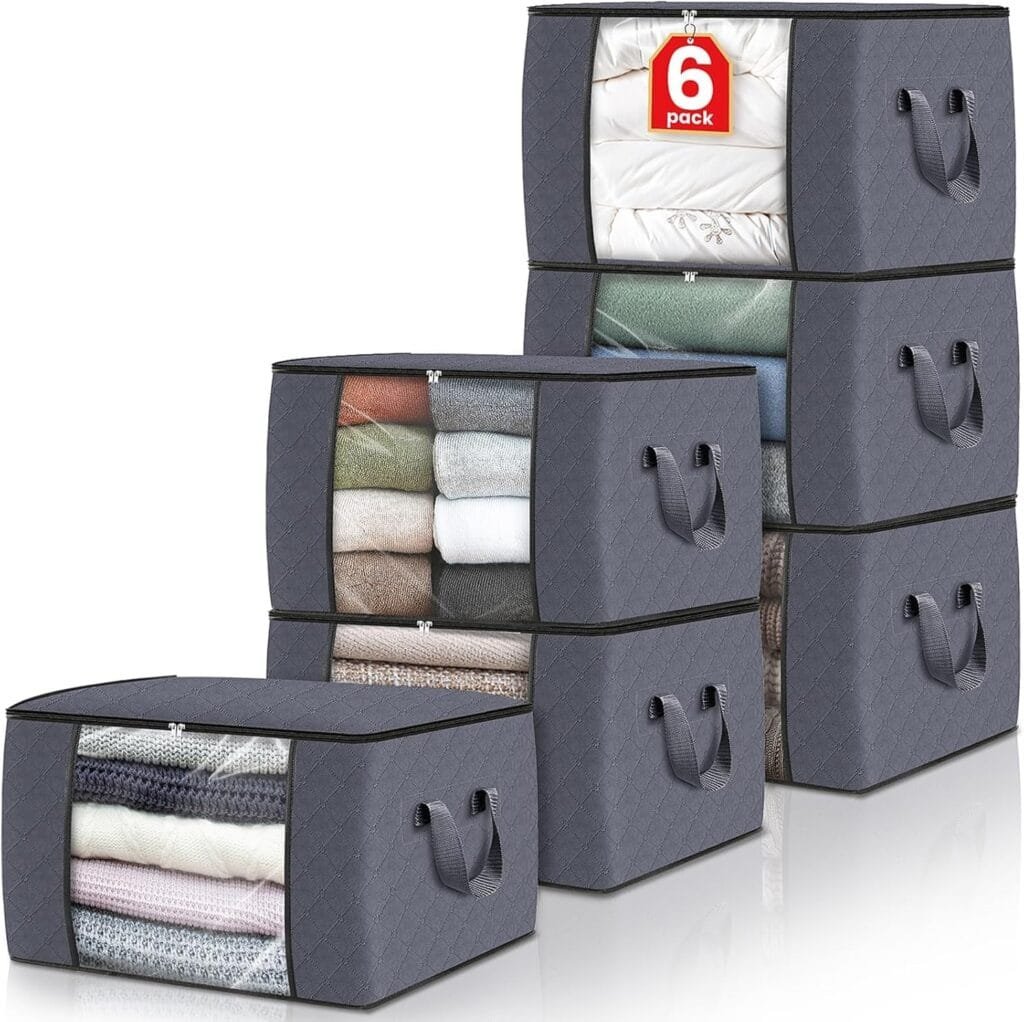
Packing cubes aren’t just for travel — they’re one of the most efficient tools for organizing a move. Use compression packing cubes to compress bulky items like winter clothing and bedding, reducing the number of boxes you need. A good set of packing cubes can replace 2-3 medium boxes of clothing.
Travel organizers also help with the unpacking phase. Instead of dumping clothes out of a trash bag, you place a packed cube directly into a drawer or closet shelf. This is especially useful for:
- Underwear, socks, and accessories
- Cables and small electronics
- Bathroom essentials
- Kids’ room items
- Jewelry and small valuables
If you’re sourcing packing organizers in bulk — whether for employee relocation programs, real estate closing gifts, or retail product development — custom travel bags and organizers from Great Shine include packing cubes, toiletry bags, garment bags, and shoe bags designed for both consumer retail and B2B programs.
Room-by-Room Packing Strategy
Pack in this order: non-essentials first, essentials last. Start with storage areas (garage, attic, basement), then move to living spaces, and finish with the kitchen and bathroom.
1. Kitchen
The kitchen is the most time-consuming room to pack because of its density of fragile and awkwardly shaped items.
Packing order:
- Pantry and food storage — Start with non-perishables. Box items together by category (baking supplies, canned goods, snacks). Donate unopened food you won’t eat.
- Rarely used items — Serving platters, holiday dishes, and specialty appliances.
- Drawers and countertops — Wrap each drawer’s contents together so they stay organized.
- Everyday dishes — Pack these 2-3 days before the move, not sooner.
- Fridge and freezer — Pack the day before. Use a cooler for transit.
How to pack plates: Wrap each plate individually in packing paper, then stack them vertically (like records) in the box — not horizontally. Plates stacked flat are more likely to crack under pressure.
How to pack glasses: Stuff each glass with crumpled paper, then wrap the outside. Place glasses upright in the box, with dividers if possible.
2. Bedroom & Closet
Packing order:
- Out-of-season clothing — This is where packing cubes shine. Compress winter coats, sweaters, and heavy bedding to save box space.
- Shoes — Pack shoes in their original boxes if you kept them. Alternatively, wrap each pair in packing paper to prevent scuffing. Never throw loose shoes into a box — they’ll damage each other.
- Dresser drawers — You can leave clothes in dresser drawers if the dresser is sturdy enough to move with contents inside. Just wrap the dresser in stretch wrap to keep drawers shut.
- Closet items on hangers — Group 5-10 garments together, slip a trash bag over them from the bottom up (with the hangers poking through the drawstring area), and tie the bag around the hanger hooks. This keeps clothes on hangers and wrinkle-free.
- Bedding — Pack sheets and pillowcases in a separate, clearly labeled box. You’ll need these on the first night.
- Fragile items and jewelry — Use dedicated jewelry organizers. A hanging jewelry organizer with clear pockets keeps necklaces untangled and earrings paired.
3. Bathroom
Packing order:
- Non-essentials — Extra towels, backup toiletries, decorative items.
- Medicine cabinet — Check expiration dates. Keep prescription medications with you in a personal bag, not in the moving truck.
- Daily-use items — Pack these last in a clearly labeled “First Night” bag.
Toiletry bags with clear windows are ideal for moving because you can see the contents without opening them. Use them to group bathroom essentials, then transfer them directly to the new bathroom counter on arrival.
4. Living Room
Packing order:
- Books and media — Use small boxes only. Books are extremely heavy. A large box of books can exceed 70 pounds and will likely break. Pack books flat or with the spine facing down.
- Decorative items — Wrap figurines, vases, and picture frames individually. Use towels and blankets as padding between items instead of buying extra bubble wrap.
- Electronics — Photograph the back of each device before unplugging. Place cords in a labeled zip-top bag taped to the corresponding device.
- Artwork and mirrors — Use picture/mirror boxes. Tape an “X” across the glass with painter’s tape to prevent shattering in case of breakage.
- Curtains and window treatments — Pack with the hardware (rods, brackets, screws) in the same box.
- Furniture — Disassemble what you can. Put all hardware (screws, bolts, Allen wrenches) in a zip-top bag and tape it to the corresponding piece of furniture.
5. Home Office
Paking order:
- Important documents — Tax returns, contracts, insurance papers, and legal documents should move with you personally — not in the moving truck. Use a fireproof document bag.
- Cables and electronics — Label every cable before disconnecting. Use a cable organizer or toilet paper rolls to keep cables separated and untangled.
- Office supplies — Pack in categorized boxes: writing, filing, desk accessories.
- Computer equipment — Back up all data to cloud storage before moving day. Pack monitors in their original boxes if possible.
First Night Essentials Box
This is the single most important box you’ll pack. It contains everything you need for the first 24 hours in your new home — when all your other boxes are stacked against walls and you’re too exhausted to search.
First Night Box Checklist
Personal essentials:
- Toiletries (toothbrush, toothpaste, deodorant, face wash, shower items)
- Change of clothes and pajamas
- Phone charger and power bank
- Medications
- Eyeglasses/contacts
Household essentials:
- Toilet paper (at least 2 rolls per bathroom)
- Paper towels
- Hand soap
- Trash bags
- Box cutter / utility knife
- Basic tool kit (screwdriver, hammer, Allen wrench)
- Light bulbs
- Extension cord and power strip
Sleep essentials:
- Sheets and pillowcases for each bed
- Pillows
- Blanket or comforter
Kitchen basics:
- Paper plates and plastic utensils
- Cups
- Snacks and bottled water
- Coffee maker (if portable) and coffee supplies
Kids/Pets (if applicable):
- Diapers, wipes, and formula
- Favorite toy or comfort item
- Pet food, bowls, and leash
Pro tip: Use a distinctively colored or patterned bag for your First Night Essentials — something that stands out immediately among the sea of brown cardboard boxes. A hanging toiletry organizer with clear pockets is ideal because you can hang it on a door in the new bathroom and see every item at a glance.
Labeling System That Actually Works
The “write on the box with a marker” approach fails because:
- Labels are written on only one side (and that side faces the wall when boxes are stacked)
- Content descriptions are vague (“stuff”)
- Room destinations are unclear
A Better System: Room Code + Content List + Priority Marker
Color-coded room system:
Assign each room a color. Apply colored dot stickers on all four sides and the top of every box.
| Color | Room |
|---|---|
| Red | Kitchen |
| Blue | Master Bedroom |
| Green | Bathroom |
| Yellow | Living Room |
| Orange | Kids’ Room |
| Purple | Home Office |
| Pink | Garage/Storage |
Box label format:
On top of the box and at least two sides, write:
- Room code (e.g., KIT-01, BR1-05)
- Contents (be specific: “Pots, pans, baking sheets” — not “kitchen stuff”)
- Priority (H = High priority / unpack first, M = Medium, L = Low / can wait)
- Fragile (if applicable — also use fragile tape)
Example label:
KIT-07 | Pots, pans, baking sheets
Priority: M | No fragile items
This system allows movers (or helpful friends) to know immediately where each box goes in the new house without asking you.
Packing Timeline
A successful move starts 8 weeks before move day, not the weekend before.
Week-by-Week Packing Schedule
8 weeks out:
- Order packing supplies (boxes, tape, paper, bubble wrap, labels)
- Research and book movers or reserve a rental truck
- Request quotes from at least 3 moving companies
- Start collecting free boxes from liquor stores, bookstores, and grocery stores
- Begin decluttering — donate, sell, or discard
6 weeks out:
- Pack non-essentials: storage areas, garage, seasonal items
- File change-of-address forms
- Notify schools, doctors, vets, and banks about your upcoming address change
- Pack out-of-season clothing and bedding
4 weeks out:
- Pack rooms you use infrequently (guest room, formal living room)
- Pack books, media, and decorative items
- Disassemble furniture that won’t be needed until after the move
- Confirm moving company booking or truck rental
2 weeks out:
- Pack most kitchen items (keep out only essentials for daily meals)
- Pack non-essential bathroom items
- Pack artwork, mirrors, and fragile decor
- Clean out the freezer and use up frozen food
- Pack First Night Essentials box
1 week out:
- Pack remaining bedroom items
- Disassemble beds (unless you’re sleeping on them until move day)
- Pack final kitchen items
- Clean the house as you empty each room
- Confirm arrival time with movers
Move day:
- Strip beds and pack bedding
- Pack the last bathroom items into your personal bag
- Do a final walkthrough of every room, closet, and drawer
- Take photos of the empty house (for lease deposit or sale documentation)
- Hand over keys
Pro Tips From Professional Organizers
1. Pack Heavy Items in Small Boxes
A small box full of books weighs about 30-40 pounds. A large box full of books weighs 80+ pounds and will break. Professional movers know: small boxes for heavy items, large boxes for light items only.
2. Use Soft Items as Padding
Instead of buying extra bubble wrap, use towels, blankets, socks, and sweaters as padding around fragile items. This serves double duty: packing both the fragile item and the soft good simultaneously.
3. Take Photos Before Disassembling
Before you take apart any furniture or disconnect any electronics, take photos from multiple angles. These become your reassembly guide. This is especially important for:
- Entertainment center wiring
- Furniture with multiple pieces (IKEA-style)
- Shelves and closet systems
- Bed frames
4. Pack an “Open Me First” Box Per Room
In addition to your First Night Essentials, pack one “Open Me First” box for each room. This box contains what you need to make the room functional within the first hour of arriving:
- Kitchen: Coffee maker, mugs, coffee, utensils, plates, dish soap, sponge
- Bathroom: Shower curtain, towels, soap, toilet paper
- Bedroom: Sheets, pillows, alarm clock, lamp
- Living Room: TV remote, lamp, basic decor
Label these with “OPEN ME FIRST” in large letters on all sides.
5. Leave Clothes on Hangers
Group 5-10 garments, slip a garbage bag over them from the bottom, and tie the bag around the hangers. When you arrive, cut the bag off and hang the clothes directly in the closet. This is faster and less wrinkling than folding clothes into boxes.
6. Use a Hanging Toiletry Organizer for Small Items
A hanging toiletry bag with clear pockets is ideal for corralling the dozens of small items that otherwise get lost during a move:
- Screws, bolts, and furniture hardware
- Jewelry
- Cable adapters and chargers
- Makeup
- First-aid supplies
- Children’s small toys and accessories
Hang it on the back of a door in your new home and you can see every item at a glance.
7. Color-Code Your Box Tape
If you’re using movers, buy colored packing tape and assign one color per room. Movers see the color and know where to place the box — no reading required.
8. Pack Vertical, Not Flat
When packing plates, books, and framed art, pack them vertically (on their edges) rather than stacked flat. Vertical packing distributes weight and reduces pressure on the items at the bottom of the stack.
9. Number Your Boxes and Keep a Master List
Write a number on each box and keep a master inventory list. This serves two purposes:
- You know exactly how many boxes should arrive at your new home
- If you need to file an insurance claim for damaged or lost items, you have documentation
10. The “Suitcase Strategy”
Pack as if you’re going on a 3-day trip. Pack a suitcase or weekender bag with everything you’d need for 72 hours: clothes, toiletries, medications, electronics, chargers, and important documents. This ensures you can survive for 3 days even if every other box is delayed or lost.

