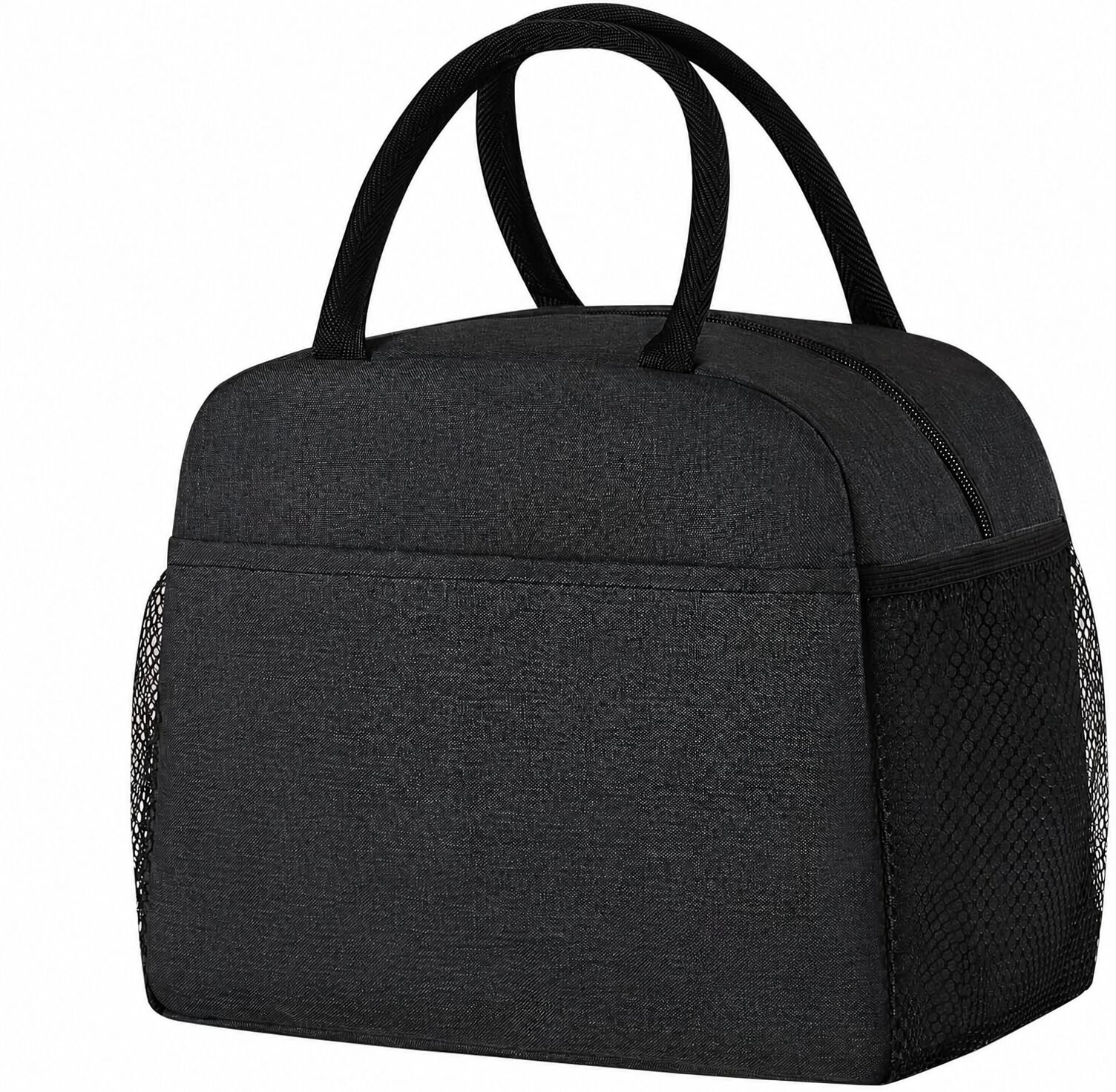
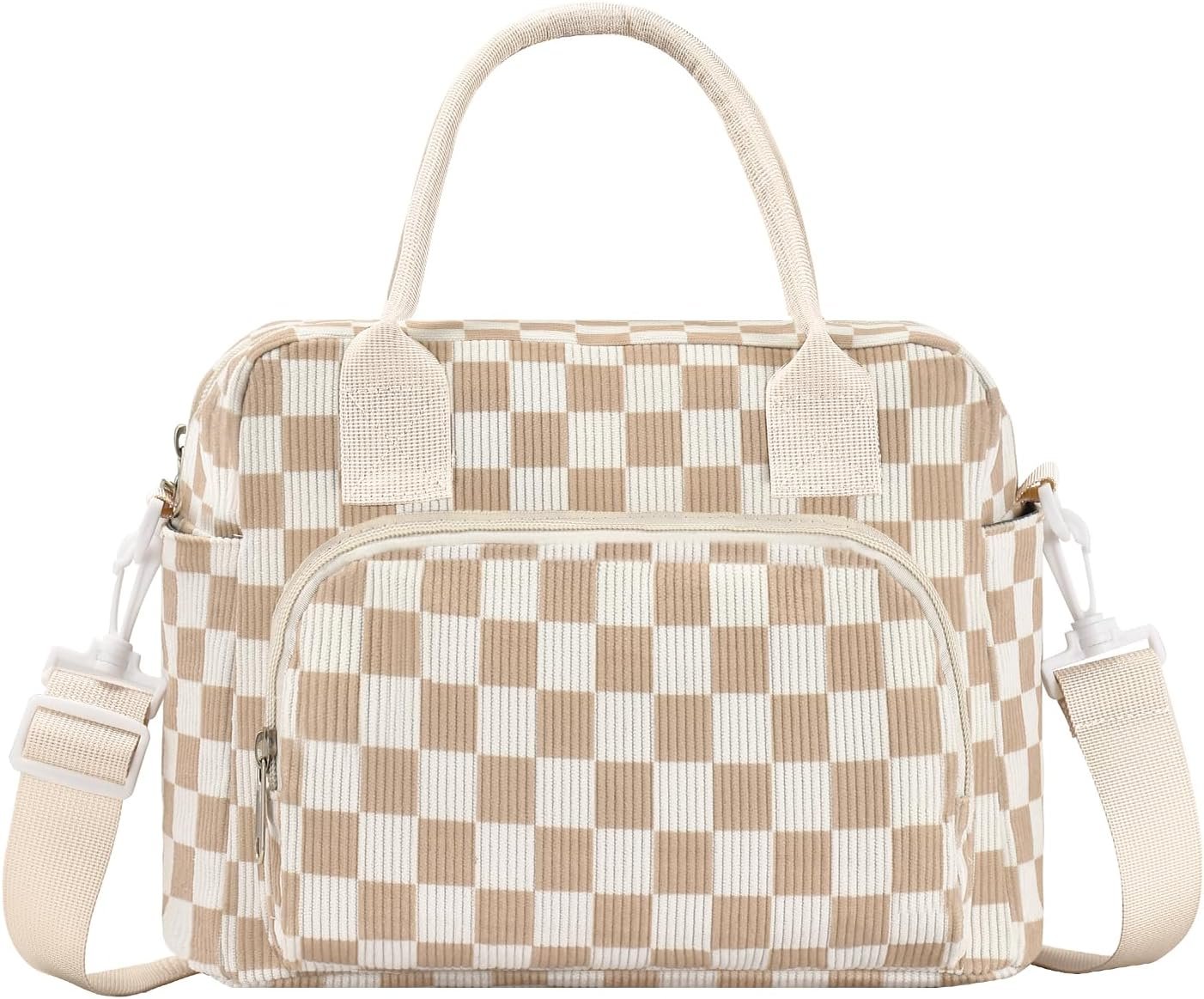
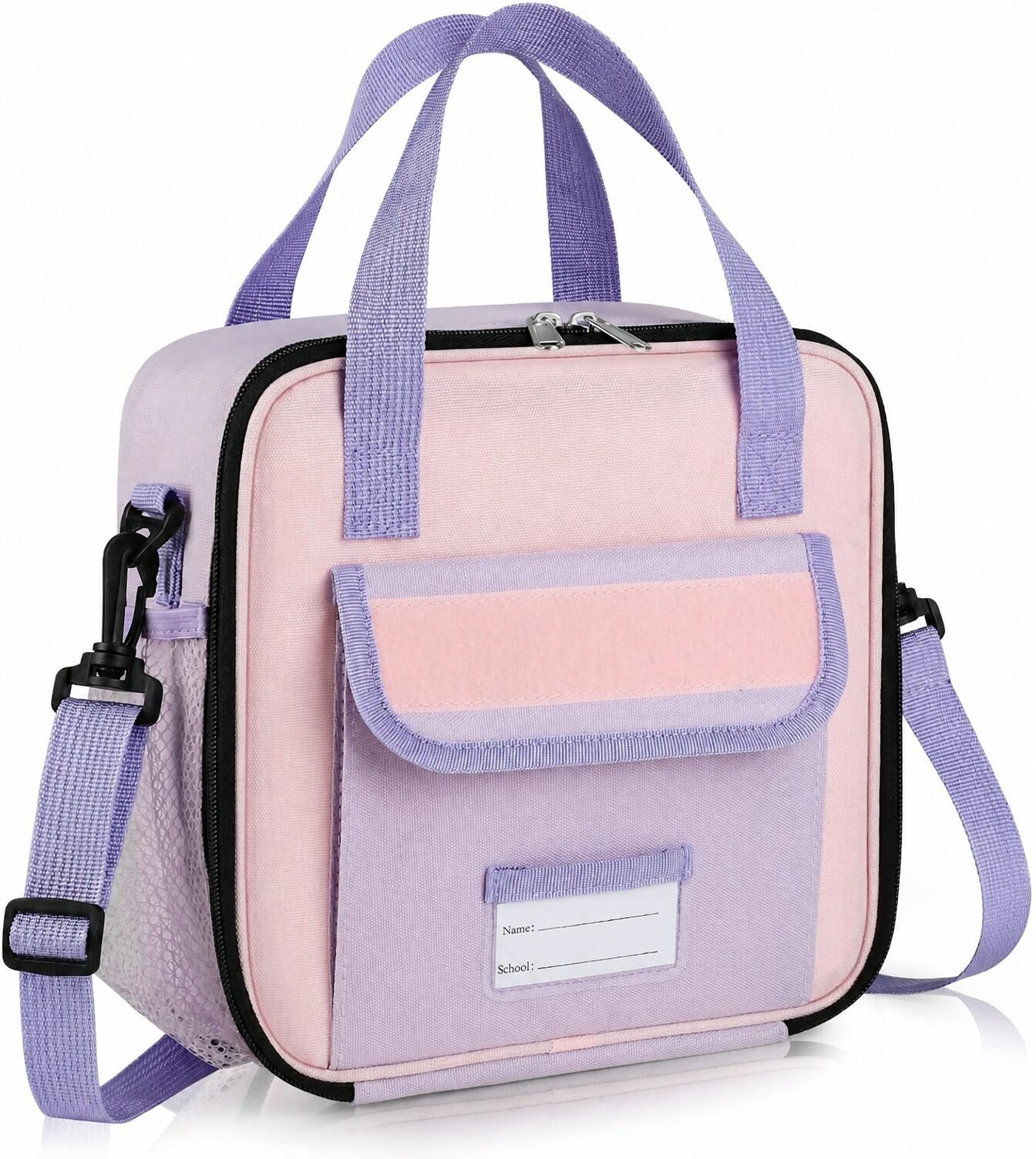
Share the product reference and the changes you need, or send a sketch with the intended contents. Great Shine can review the proposed size, structure, materials and branding before confirming the development scope.
The selected fabric, colorways, trims, artwork and packaging can have different sourcing minimums. State the quantity for each design and color so the quotation can identify the applicable MOQ and any constraints.
Measure the complete lunch container, including its lid and clips. Add the intended ice packs, bottle and accessories to the layout, then check usable interior dimensions and loading access on the sample. External bag dimensions alone are not a fit guarantee.
That depends on the finished bag, starting conditions, contents, cold sources and use. Define a target temperature and test conditions for the selected sample before using a cooling-hours claim. A result from one configuration should not be applied to every lunch bag.
Check the specific material and intended contact conditions. Carrying sealed containers is different from placing unpackaged food against the lining. Review documentation for the selected material and destination before making a food-contact claim.
Discuss printing, woven labels, embroidery or patches alongside your fabric and artwork. Include hang tags, inserts, retail packaging and any buyer-supplied barcode requirements in the brief so the complete pack can be reviewed.
Use the approved sample version and specification as the reference. Confirm material availability, color and packing details before the repeat order, and agree how substitutions or construction changes will be approved.
Agree inspection criteria, the issue-reporting process and remedies in the purchase terms. If a discrepancy occurs, record the affected quantity, photos and specification reference so it can be assessed against the approved order.