-
grace@g-shine07.com - +8617701719207
- A Trusted China Manufacturer Since 2010
Storage Boxes & Fabric Bins / Under-Bed Storage
Develop low-profile storage for bedding and seasonal clothing. Great Shine works with brands, retail buyers and ecommerce sellers on soft zip bags and supported fabric boxes, starting with the space beneath the bed and the contents customers need to store.
Manufacturing since 2010. Samples completed in 3–7 days. Samples are free; courier costs and transit time are confirmed separately.
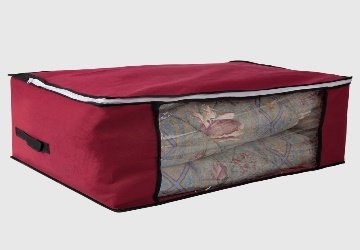
Bedding-bag style reference. Final color, dimensions and construction follow the agreed specification.
For bedding and clothing that need a flexible zipped enclosure. The documented 120 × 50 × 15 cm configuration uses 80 gsm PP non-woven fabric, a front clear PVC window, two zipper sliders and side handles.
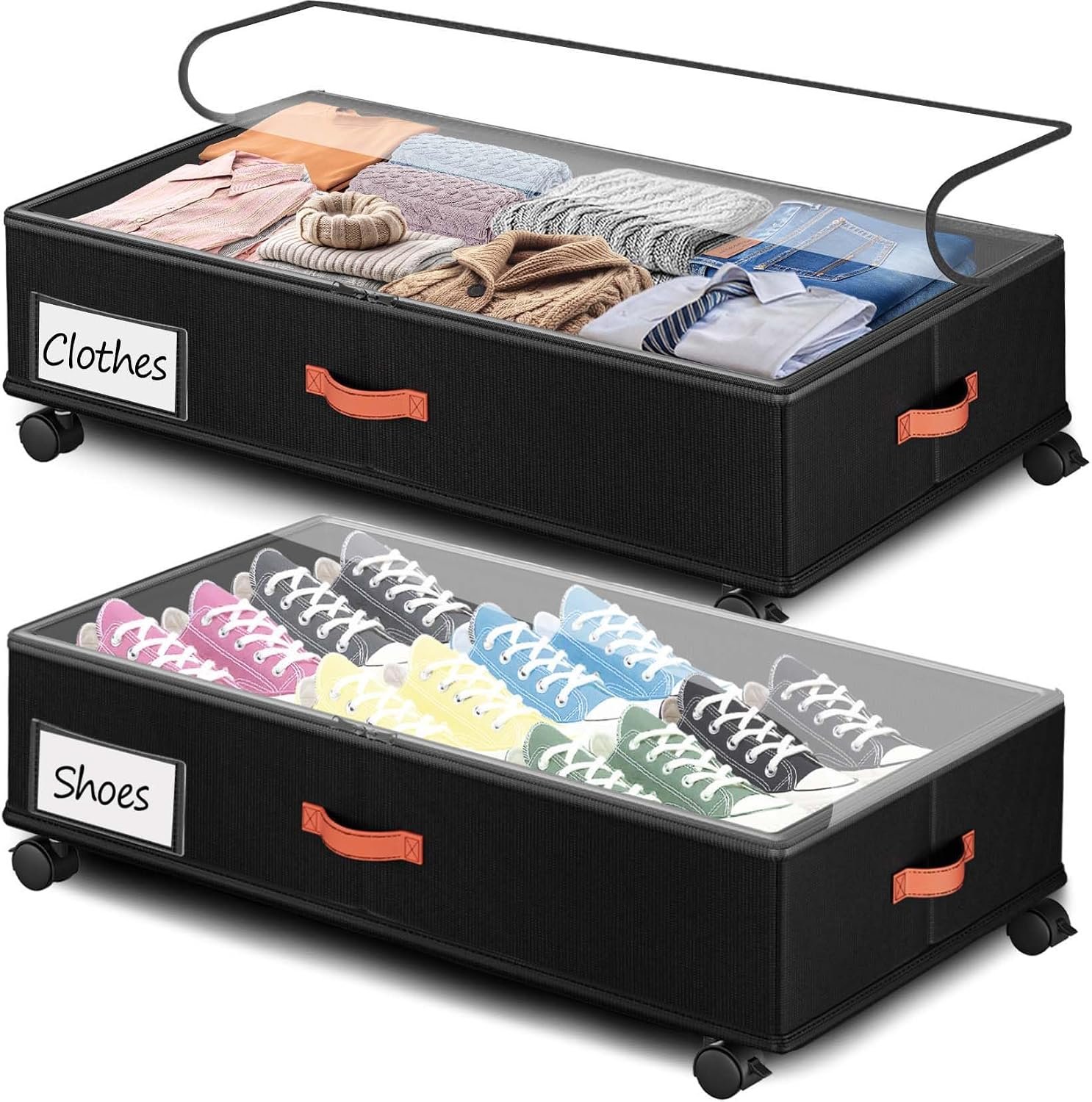
For a defined outline and a base that can be specified around the contents. Choose the panel layout, lid or zipper access and handle positions together. The pictured configuration includes wheels; these are a separate design choice.
Select the shape around your measured opening. Neither a product photograph nor a nominal height establishes compatibility with every bed frame.
The contents are mainly bedding or clothing, a flexible enclosure suits the range, and the packing plan favors a foldable body. Check the filled profile, zipper access and the way customers will pull or lift it.
The range needs defined panels, a removable base or dividers. Specify where support is needed and review assembled space, board bending, folding steps and the finished retail pack.
Both structures need an accessible handle and enough room to remove and open the product. For broader soft-bag options, see our custom storage bags.
Use the lowest obstruction and the available opening as the starting point. The filled profile depends on the structure and contents, so record it rather than assuming how much it will change.
Measure from the floor or the top of the carpet to the lowest obstruction. Check bed rails, center beams and support bars along the route the product will take.
Record the clear opening between bed legs and any supports. A large space beneath the mattress may still have a narrow access point.
Record the assembled external length, width and height when empty. Then measure the highest point with the intended contents packed and the closure fastened.
State internal space separately from outside dimensions. Panels, seams, corners and the closure affect what can be packed.
Measure the available floor space beside or at the end of the bed. Check that the buyer can reach the handle, withdraw the product and open it.
Test the actual loaded sample at the intended location, including the floor surface. Record the measurement method and tolerance before making a fit claim.
Use our under-bed storage size and fit guide to prepare the measurements for your sample brief.
Discuss non-woven, woven or linen-look fabric against the intended appearance, handling and retail price. Specify composition, weight and finish; a change in material can affect cost and minimum quantities.
Select cardboard or PP board, thickness, panel positions and removal or fixing details. Review bending and folding on the sample. A PP insert alone does not make the complete box waterproof.
Agree the window material, position and size, plus any label sleeve. Assess visibility, seam attachment and folding marks. Straps or a clear panel do not establish a tear-resistance rating.
Choose the opening path, slider arrangement and lid access around the bedding or clothing to be packed. Check corners, zipper ends and whether the opening can be used after the product is pulled out.
Specify where customers will pull and whether they will lift the filled product. Agree attachment details, seam finish and a handling check for that load.
Review logo placement, colors, labels, inserts and packs or sets. Record folded product size, retail-pack dimensions and the actual carton arrangement before estimating freight.
Our documented bedding bag uses 80 gsm PP non-woven fabric. The separate BPG fabric-bin configurations on the storage boxes and fabric bins page use 80 gsm PP non-woven fabric with 2 mm cardboard. These are configuration-specific references, not standard specifications for every under-bed product.
Confirmed configurations can start at 500 pieces per style, with same-style mixed colors. New structures, special materials, packaging changes and sets need their own quotation and minimum-quantity review.
Use the following items to agree a sample-approval checklist. Keep the approved sample, dated specification and packing reference together.
Load the intended contents, measure the highest point, and move the sample through the real opening. Check clearance along the full route and the space needed to open it.
Agree the filled weight, pulling or lifting method, repetitions and acceptance criteria. Inspect handle attachments, binding, zipper ends and other stressed seams.
Operate the zipper around the packed contents and examine the window attachment. For supported boxes, assess panel bending, base position and the folding sequence.
Agree any washability, moisture exposure, load, stacking or service-life requirements before using them in product copy. Request evidence for the selected complete construction.
Compare fabric, trim, zipper tape and branding with the approved references. Record acceptable appearance and workmanship before production.
Check the folded product, label and insert placement. Record pieces per set, units per carton, final carton dimensions and net and gross weights for the agreed pack.
Include the measured clearance and opening, intended contents, structure, quantity by color, destination market and retail-pack requirements.
Confirm dimensions, fabric, panel layout, handles, closure and branding. Separate the existing configuration from requested changes in the quotation.
Samples completed in 3–7 days. Samples are free; courier costs and transit time are confirmed separately.
Review the loaded fit and agreed checks. Record changes, the final specification and packing details before bulk production.
These brands are among the customers Great Shine has worked with across its overall product range. Their logos do not indicate that every brand purchases under-bed storage.





Factory audit reports, management-system documents and product test reports have different scopes. Review the entity, site, dates and applicable scope for your order. BSCI and Sedex/SMETA audit records do not establish product certification.
For cube units and closet shelves. Check the shelf opening and lifting access; a standard upright cube is not automatically suitable beneath a bed.
For shelf storage and seasonal organization. Assess lid access and any proposed stacking arrangement separately from the low-profile under-bed program.
For upright filing of linen sets with labels or windows. Discuss these as a related linen-closet range, with placement and dimensions specified independently.
Send the clearance measured from the floor or carpet surface to the lowest obstruction, the entry opening and the intended contents. Specify the external size, then assess the actual loaded sample at the intended bed.
The confirmed existing configurations start at 500 pieces per style, with mixed colors within that style. New structures, special materials, packaging and sets need separate confirmation. Agree the quantity by color in the quotation; different styles do not automatically share one minimum.
No. The documented soft bedding bag uses 80 gsm PP non-woven fabric. The 2 mm cardboard reference belongs to the separate BPG fabric-bin configurations. Specify support panels for your under-bed box rather than assuming every design uses the same construction.
Care and moisture claims depend on the complete construction, including panels, seams, windows and closures. A cardboard-supported box should not be presented as machine-washable without evidence. Tell us the intended care requirement so suitable materials and checks can be discussed.
They can be discussed together in the design brief. Set the window and label positions around the way the product will be stored and viewed. Supply artwork for printed labels and review the finished appearance on the sample.
Start with the approved fold, unit pack and any retail set. Units per carton, outer dimensions and net and gross weights depend on that packing arrangement and are confirmed for the order.
Samples completed in 3–7 days. Samples are free; courier costs and transit time are confirmed separately. Agree any revision scope and resampling arrangements when changes are requested.
Send measured clearance and access dimensions, target external size, intended contents, structure, materials, quantity by color, destination and packaging requirements. A reference image helps explain the design, but measurements and an agreed specification are needed for a comparable quote.
For the documented bedding-bag configuration and a detailed RFQ example, read our wholesale underbed storage bag buying guide.
Send the clearance and access measurements with the intended contents and quantity by color. Add material, branding and packaging requirements so we can review the configuration and quote on a clear basis.
We reply within one business day. A complete quotation depends on the agreed specification.


contact us to get latest product catalog
