
Custom Packing Cubes & Sets for Brands
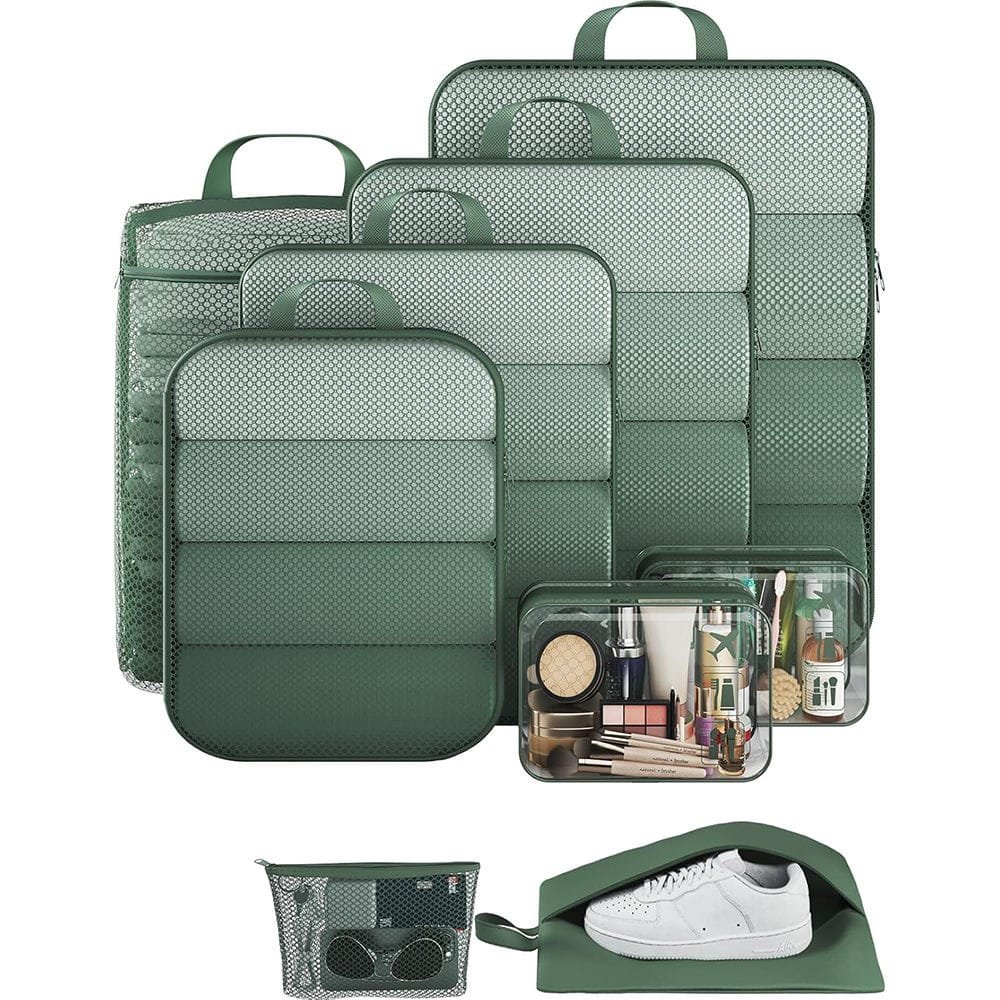
Develop custom packing cubes for a travel brand, retail range or wholesale program. Choose standard organizers for separating clothes, or review a compression structure when reducing packed bulk is part of the brief. Set the sizes and piece count around the intended clothing and luggage. We can develop compression sets with up to 10 bags; materials, branding and packaging are confirmed for each project.
- Custom Set Configuration
- Free Design Support
- Custom Sample Support
- Private Label
Custom bag manufacturing experience
The custom 10-piece compression configuration starts at 500 sets. Confirm MOQ separately for other configurations.
International export experience stated by Great Shine
Free design review and custom sample support
8 Reasons Travel Brands Choose Great Shine
Compare quotations using the same set breakdown: list each cube’s size, quantity, material and closure, then add the logo and retail packaging. State the order quantity in sets and show how many bags are in each set. The up-to-10-bag compression configuration is a development option, not a previously shipped set.
One factory team controls your packing cube set from sample to shipment.
We engineer the piece count and size hierarchy instead of simply adding more bags.
Every size is planned around real suitcase space and a clear packing purpose.
Materials and compression structures are matched to the product promise.
Free design support turns an incomplete idea into an approvable sample.
Colors, logos, labels and packaging stay coordinated across every piece.
Quality control checks the complete retail set—not only individual bags.
Packaging is prepared for your retail, e-commerce or gift channel.
Why Packing Cube Sets Fail Before the First Bulk Order
A set is a small product system, not a pile of matching bags. The problems below normally begin during product definition, then become more expensive after sampling, packaging artwork or production has already started.
More pieces do not automatically create more value.
An eight-piece set can look attractive in a listing but still disappoint if three pieces serve the same purpose or if none fit the buyer’s main luggage format.
External suitcase size is not the same as usable interior space.
Wheel housings, telescopic-handle channels, lining and curved corners reduce the internal packing area. A dimension chart alone cannot prove that a set will arrange efficiently.
A second zipper does not guarantee useful compression.
If the gusset depth, fabric stability, zipper path and seam reinforcement are not balanced, the cube may distort, jam or transfer excessive load to one seam.
Small differences become obvious across a coordinated set.
A mesh shade, zipper tape, logo position or binding width that looks acceptable on one cube becomes visible when four or six sizes are displayed together.
The product may be light while the package is inefficient.
Poor nesting, rigid inserts or unnecessary empty space can increase carton volume and fulfilment cost without improving protection or presentation.
A good sample is not yet a repeatable specification.
If the approved sample is not translated into measurable dimensions, material references, workmanship points and packing instructions, production teams can interpret it differently.
The best set is not the one with the highest piece count. It is the smallest combination that gives the target customer a clear organizing system, fits the intended luggage and still supports the required retail price and packing method.
One Factory Team Controls the Complete Program.
Great Shine has manufactured custom storage and organizer products since 2010. For a packing cube set, direct factory control means the commercial brief is translated into information that production and inspection teams can actually use: a bill of materials, dimension chart, construction details, logo positions, approved sample and packing specification.
The practical advantage is accountability. When a zipper, mesh panel, binding method or package changes during development, the effect can be reviewed across sampling, production and QC instead of being passed between unrelated suppliers.
- Before sampling: review materials, mesh percentage, zipper routes, binding, handles, dimensions and target pack.
- Before bulk production: record the approved sample references, tolerances, workmanship points, logo files and packaging components.
- During production: check incoming components and in-process sewing before all pieces are completed.
- Before shipment: verify dimensions, set completeness, appearance, unit packing, carton quantity and carton marks.
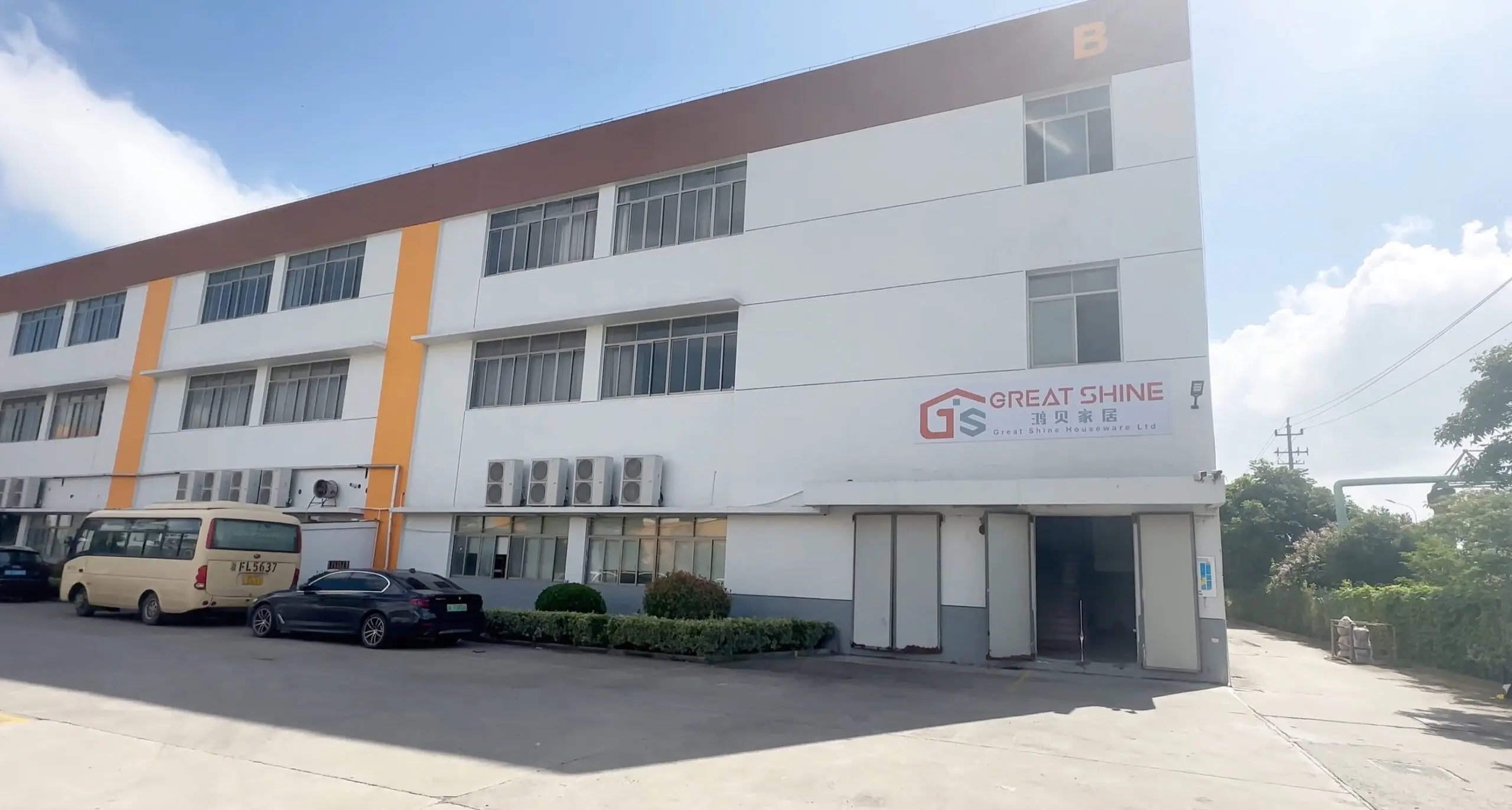
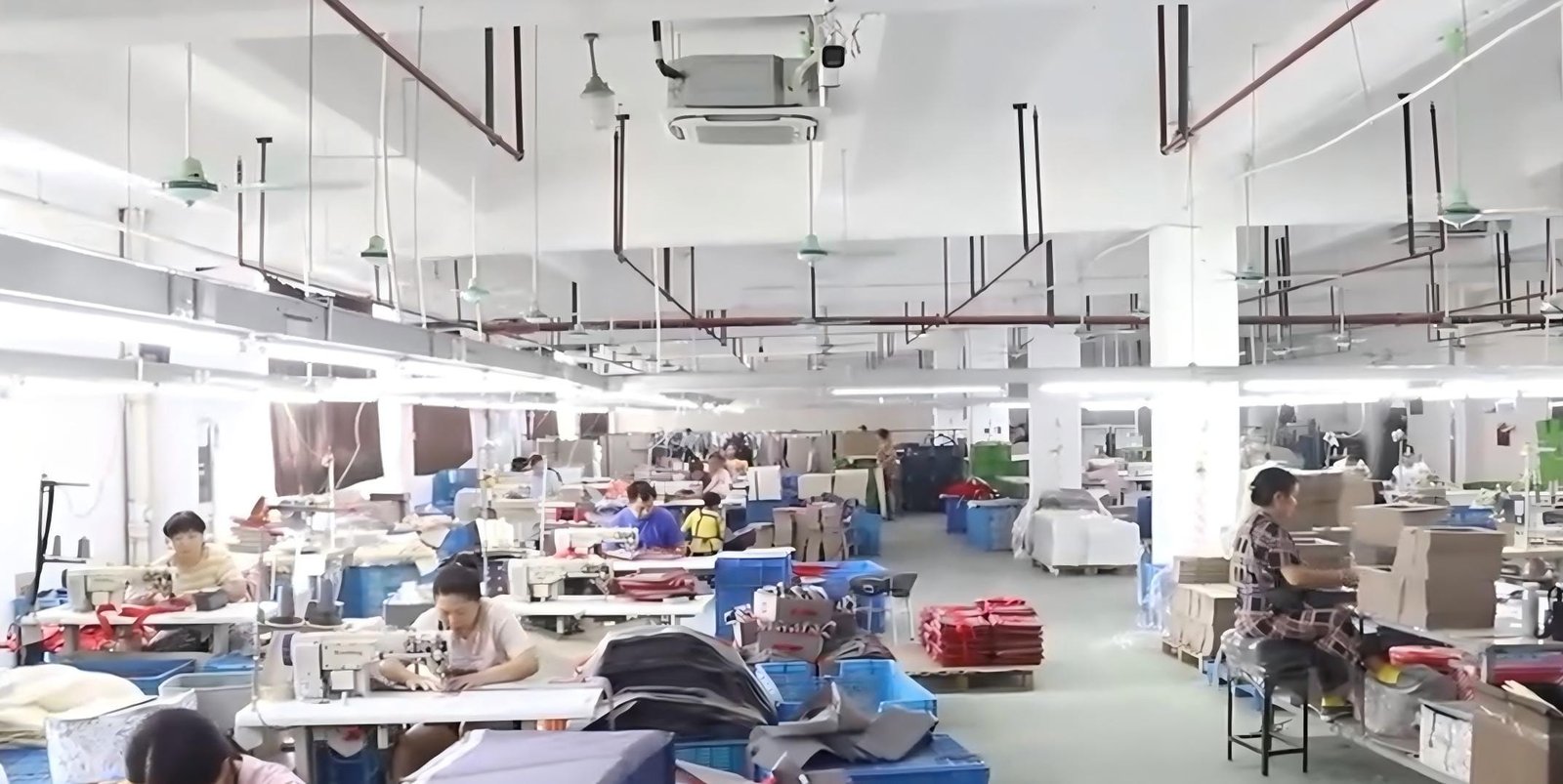
Great Shine Factory Facility
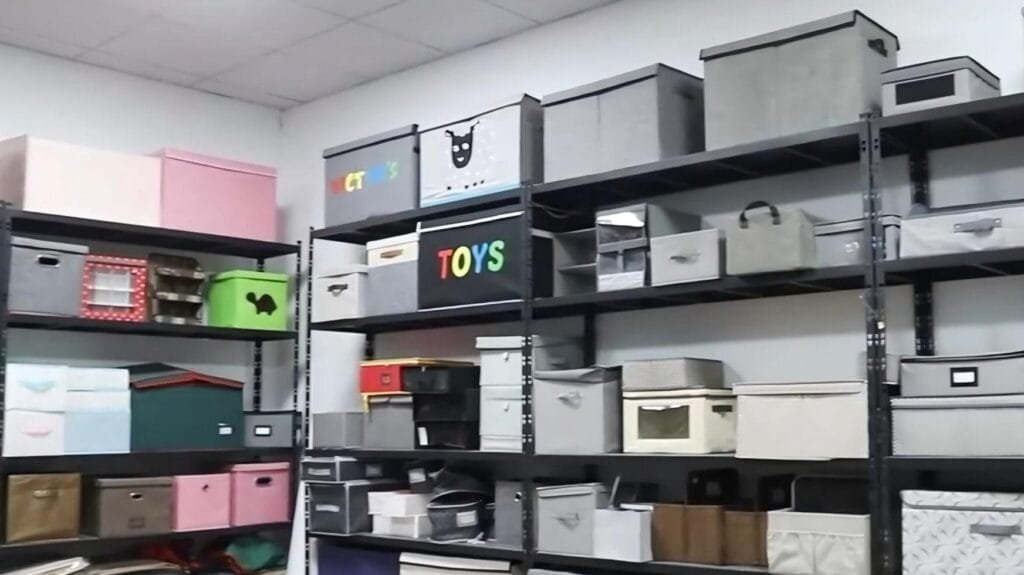
In-House Sample Room
Production Workshop
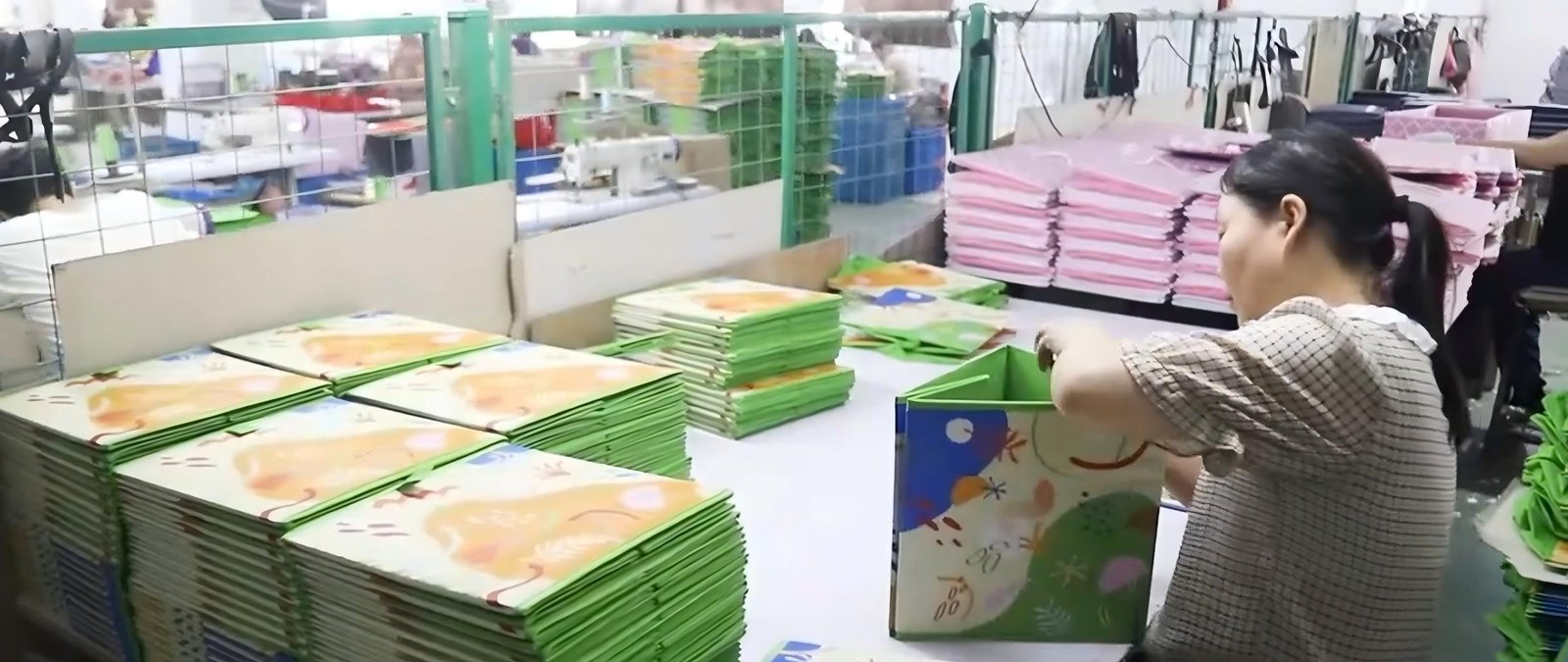
Packing & Export Preparation
Ask to see the sample room, current production floor, incoming components, inspection records and packing area during a live video walkthrough. A factory claim becomes useful only when the production route can be shown and explained.
Storage bag and organizer manufacturing
Confirm the manufacturing entity, site and relevant processes
Request relevant samples and approved specifications
Factory compliance and management references
Quick Set Builder
Choose one option in each row to preview a sourcing direction.
A balanced starting point for a travel brand program. Final sizing, materials, logo and packing can be customized.
Build the Right Set—Not Just More Pieces.
A useful set needs a clear size hierarchy and a reason for every component. We begin with four inputs: the target traveler, usable luggage space, intended retail price and sales channel. These inputs determine whether the range should be a compact three-piece organizer, a carry-on system, a compression set or a broader family-travel collection.
We also consider how the pieces nest. A set that folds into its largest cube can reduce storage space and simplify packing, but the added layers may affect the package dimensions. That trade-off should be reviewed before packaging artwork is finalized.
- Set role: decide whether the product is for cabin travel, checked luggage, family use, gifting or a luggage-brand accessory range.
- Size hierarchy: avoid overlapping dimensions unless two identical pieces have a clear packing purpose.
- Accessory value: add a shoe bag, laundry pouch or toiletry case only when it strengthens the customer use case.
- Retail logic: balance visible piece count, useful capacity, target price, folded package size and carton efficiency.
3-Piece Direction
Simple entry-level organization
Usually built around large, medium and small cubes. It gives shoppers an easy-to-understand set while keeping the unit pack and price structure relatively simple.
4 or 5 pieces
4-piece and 5-piece packing cube sets
A four-piece set can add a second medium cube to the large, medium and small cubes. For a five-piece set, add a slim accessory pouch. Confirm whether pouches or shoe bags count toward the advertised piece total, then agree each item’s dimensions, logo placement and packaging before quotation. Check the proposed layout against the suitcase’s usable interior before approving the sample.
6–8 Piece Direction
Broader family or checked-luggage system
Suitable when a brand needs more capacity or wants to combine cubes with shoe and laundry separation. Packaging efficiency becomes a more important design constraint.
Custom configuration option
Custom compression sets: up to 10 pieces
Develop a compression packing set with up to 10 bags. Choose the piece count and size mix around your customers’ packing needs, then confirm materials, branding and packaging for your project. The 10-piece configuration is available for custom development, with a minimum order of 500 sets. Other configurations are quoted separately.
A previous quotation proposed 290T polyester with mesh and a PP bag for unit packaging. These are development options; the final specification follows your project brief.
Discuss your custom compression set. Share the intended use and preferred piece count, even if you have not decided on exact dimensions.
Share the target suitcase size or internal dimensions, customer profile, expected retail tier, preferred material, sales channel and approximate order quantity. Without those inputs, any set recommendation is only a visual concept—not yet a production decision.
Sizes Planned Around Real Luggage Space.
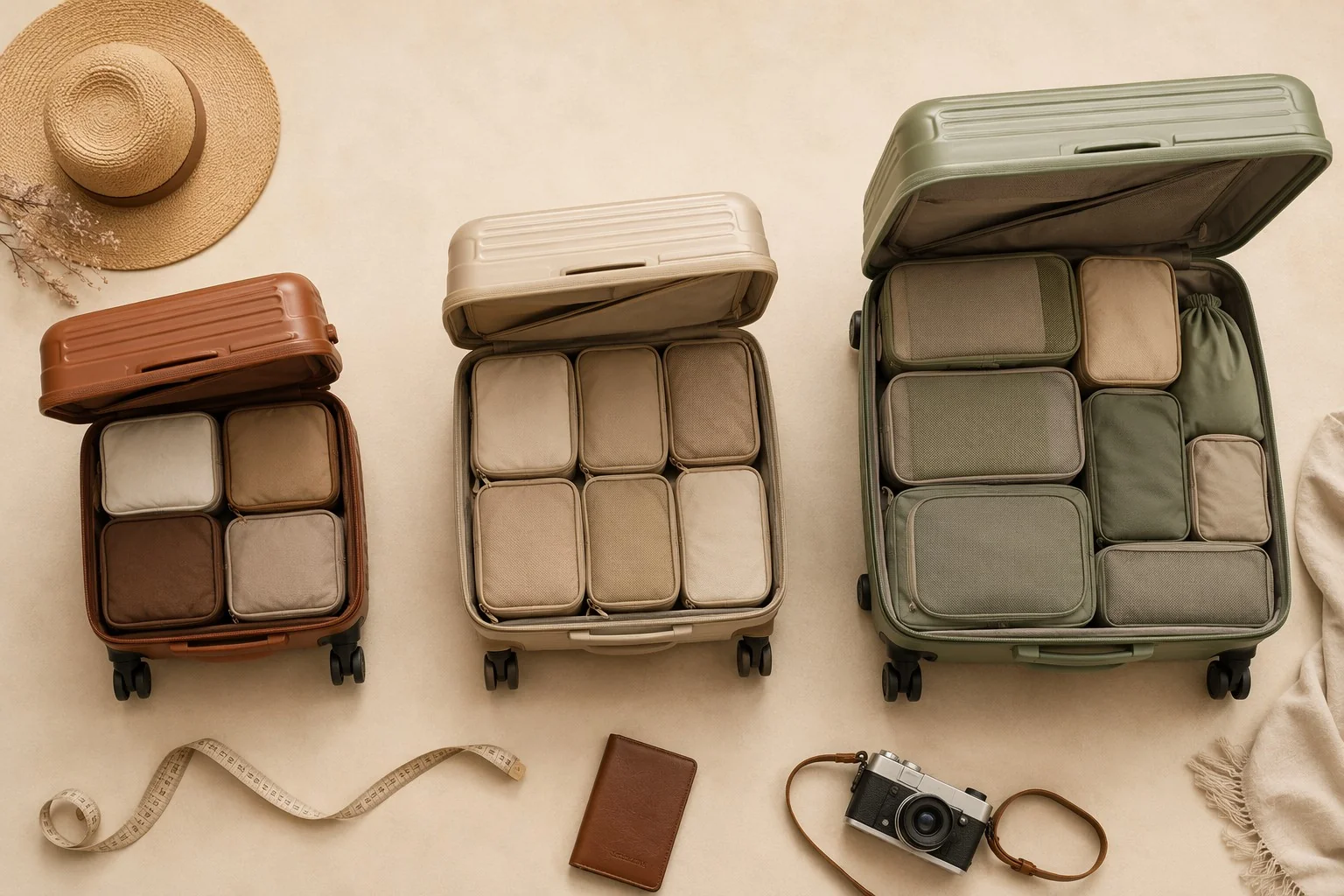
A useful size chart must answer three questions: what the cube holds, where it sits inside the suitcase and which other pieces fit beside it. External suitcase labels such as “20 inch” or “24 inch” are only starting points because wheel housings, handle channels, lining and shell geometry change the usable interior.
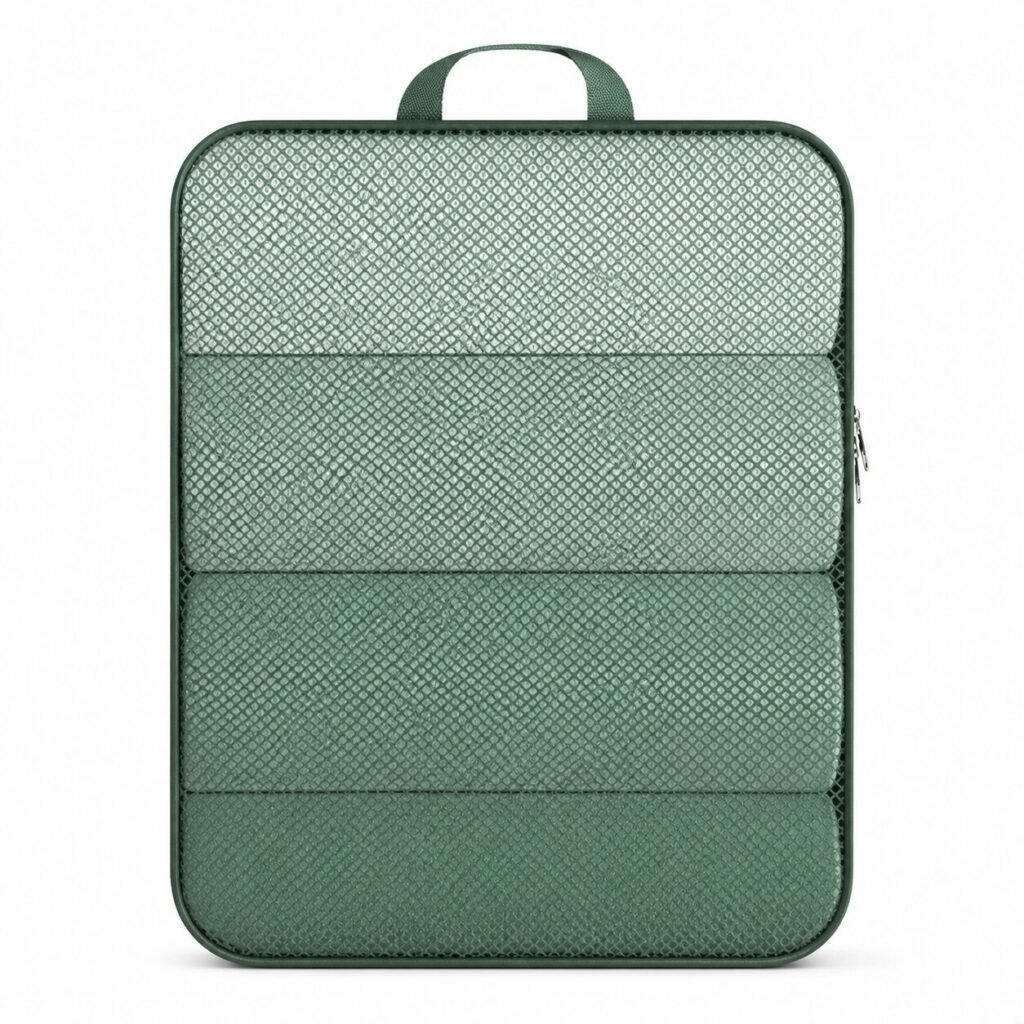
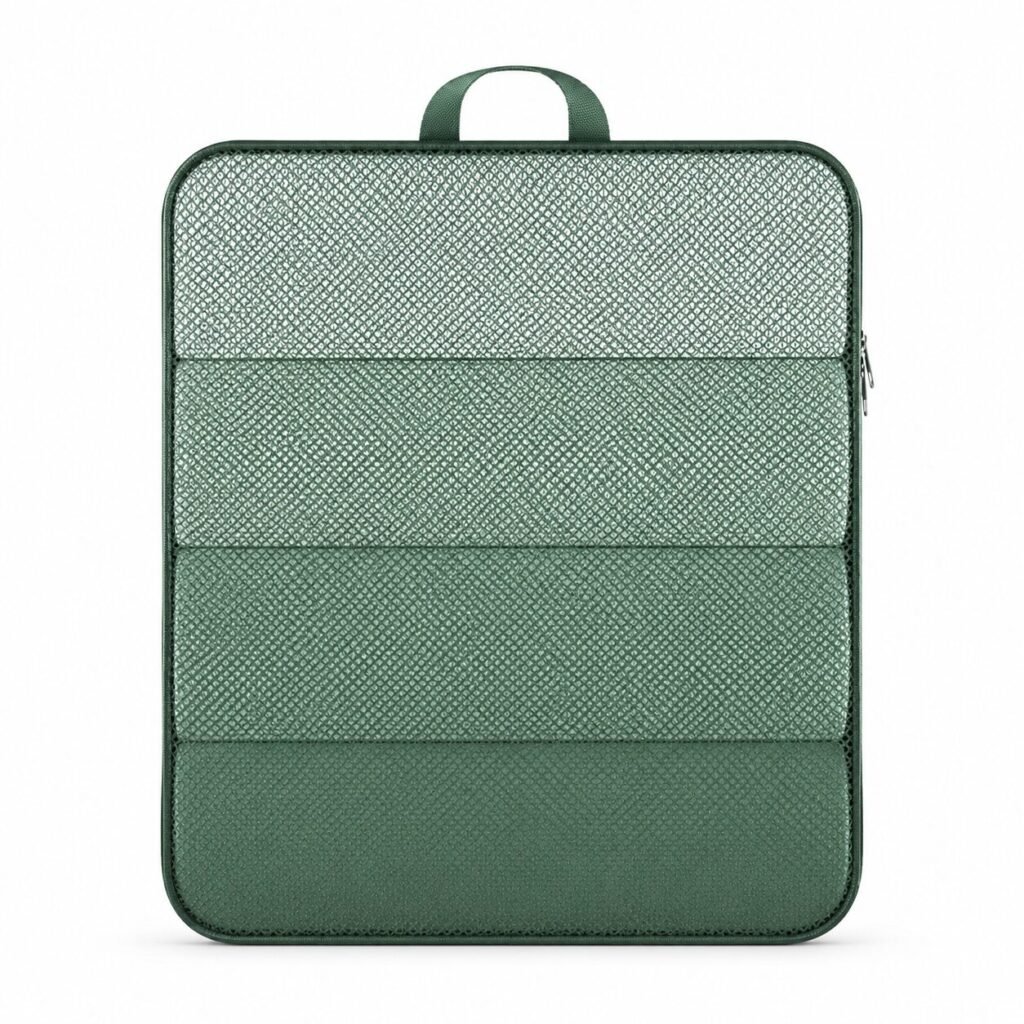
45 × 35 × 12 cm · bulky clothing
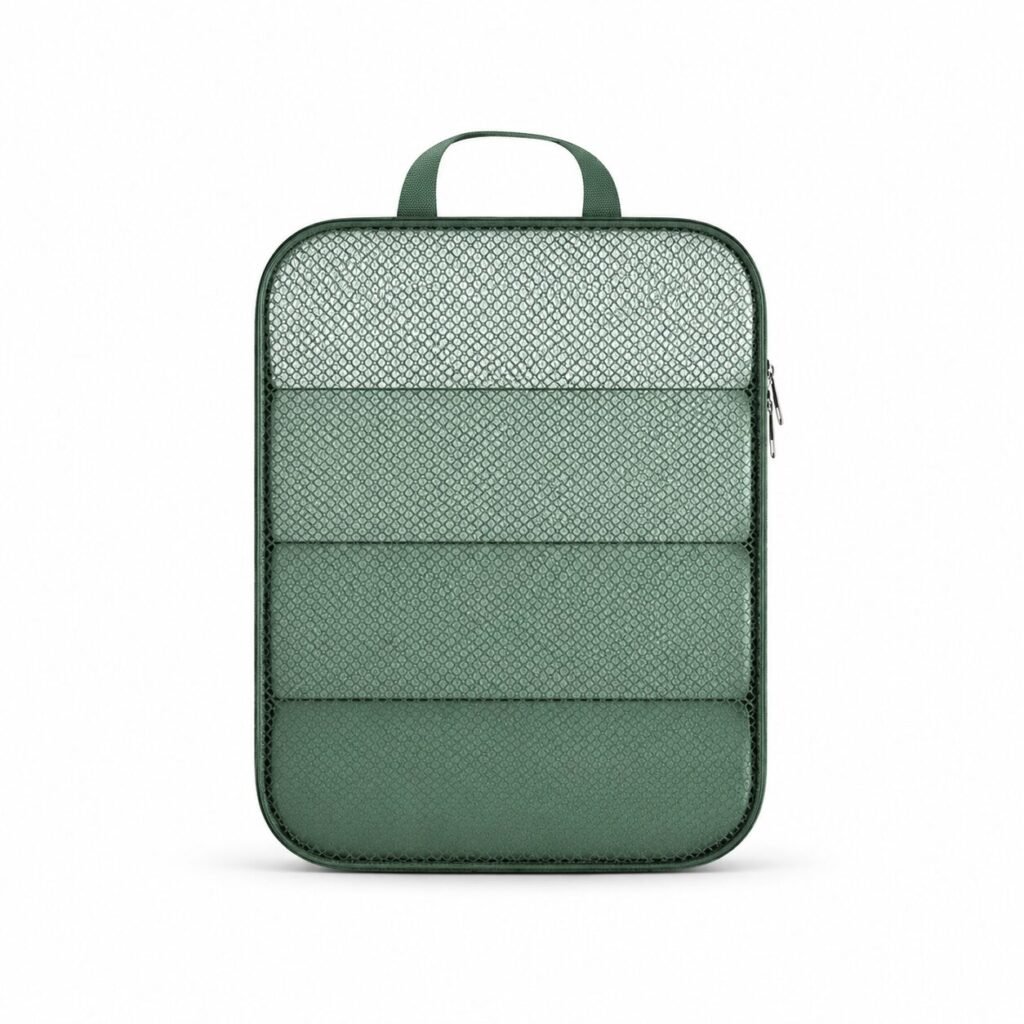
40 × 30 × 10 cm · shirts and trousers
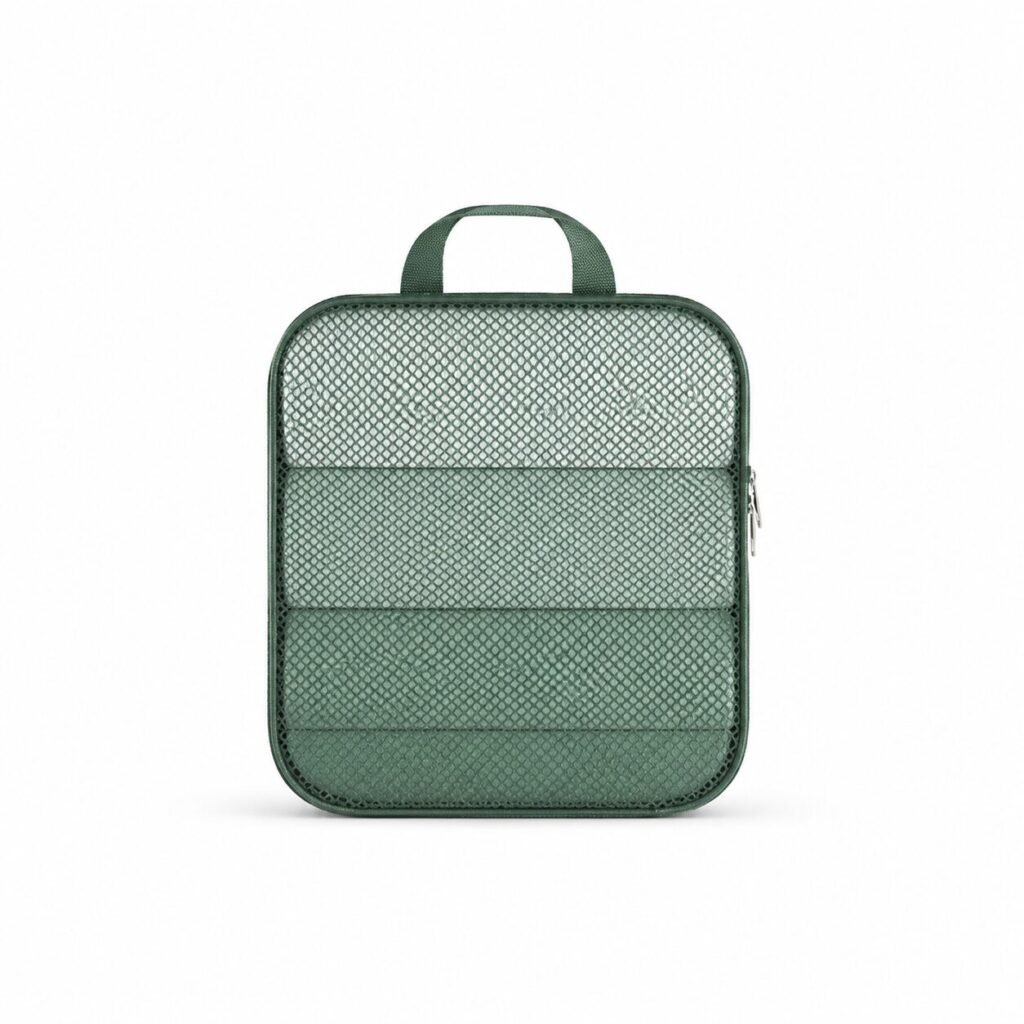
35 × 25 × 8 cm · underwear and small items
28 × 20 × 6 cm · accessories and cables
Reference Cube Specifications
| Size | Reference dimensions | Volume check | Suggested contents | Empty weight check |
|---|---|---|---|---|
| XL | 45 × 35 × 12 cm | Measure approved sample | Folded shirts or sweaters; check the actual load | Weigh approved sample |
| L | 40 × 30 × 10 cm | Measure approved sample | Folded shirts, dresses or trousers; check the actual load | Weigh approved sample |
| M | 35 × 25 × 8 cm | Measure approved sample | Underwear, socks and compact garments | Weigh approved sample |
| S | 28 × 20 × 6 cm | Measure approved sample | Accessories, cables or a small cosmetics kit | Weigh approved sample |
Illustrative Suitcase Combination Matrix
| Suitcase format | Typical program | Suggested set direction | Why it works |
|---|---|---|---|
| 20″ Carry-On | Short trips / cabin travel | 1 × L + 2 × M + 1 × S | Compact four-piece organization |
| 22″ Carry-On | US cabin luggage | 1 × L + 3 × M + 1 × S | More flexible clothing separation |
| 24″ Medium | Standard checked travel | 1 × XL + 2 × L + 2 × M | Balanced bulky and daily clothing storage |
| 26–28″ Large | Long trips / family travel | 2 × XL + 2 × L + 2 × M + accessories | Supports a broader multi-piece program |
Illustrated suitcase-fit planning for common luggage formats.
Request a custom size plan →
The dimensions above are planning examples for custom development. They are not a fixed size schedule for the 10-piece configuration. Choose dimensions around the intended contents and usable suitcase space, then confirm the finished sample, measurement method and tolerances before production.
Match Structure to Weight, Durability and Price Position.
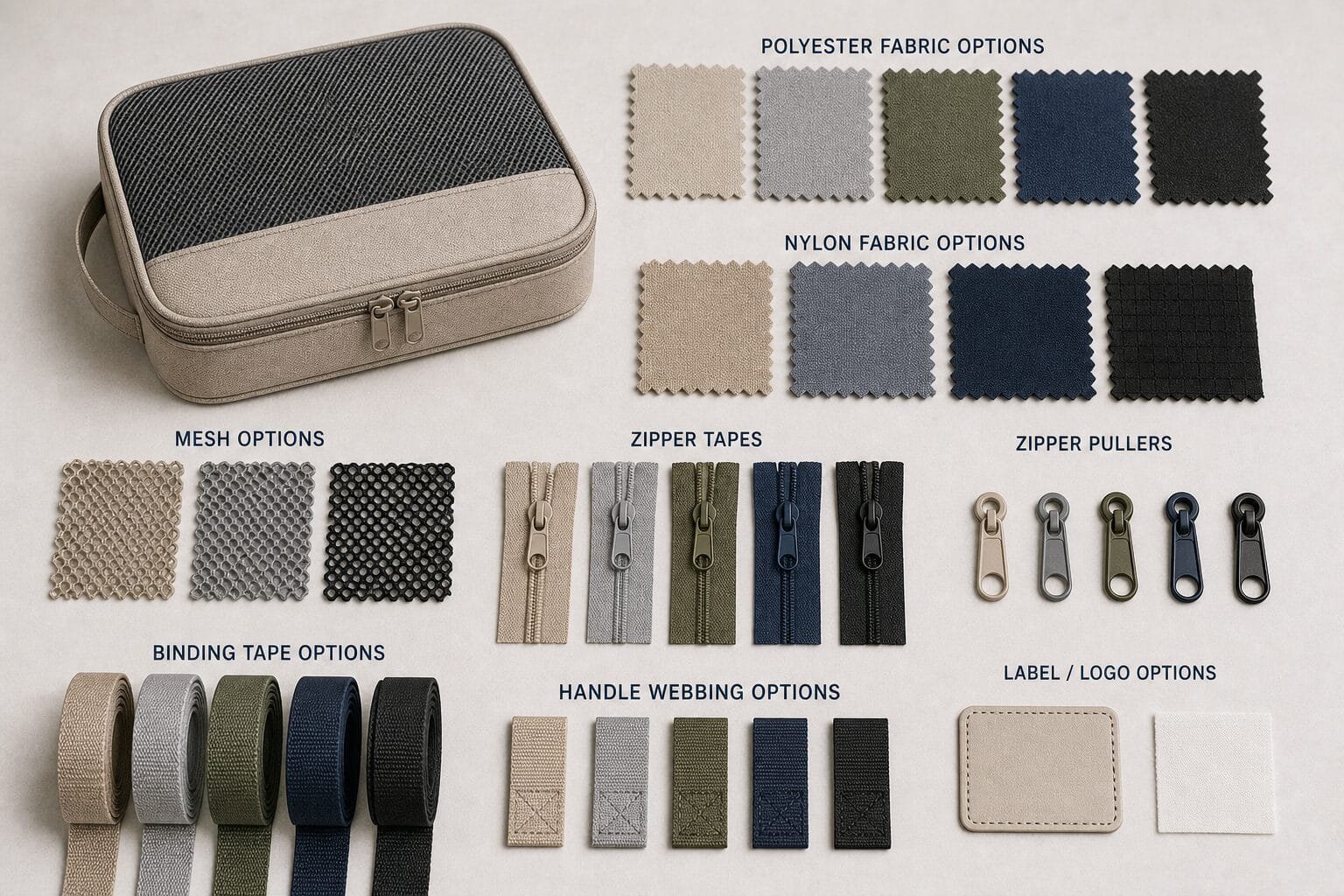
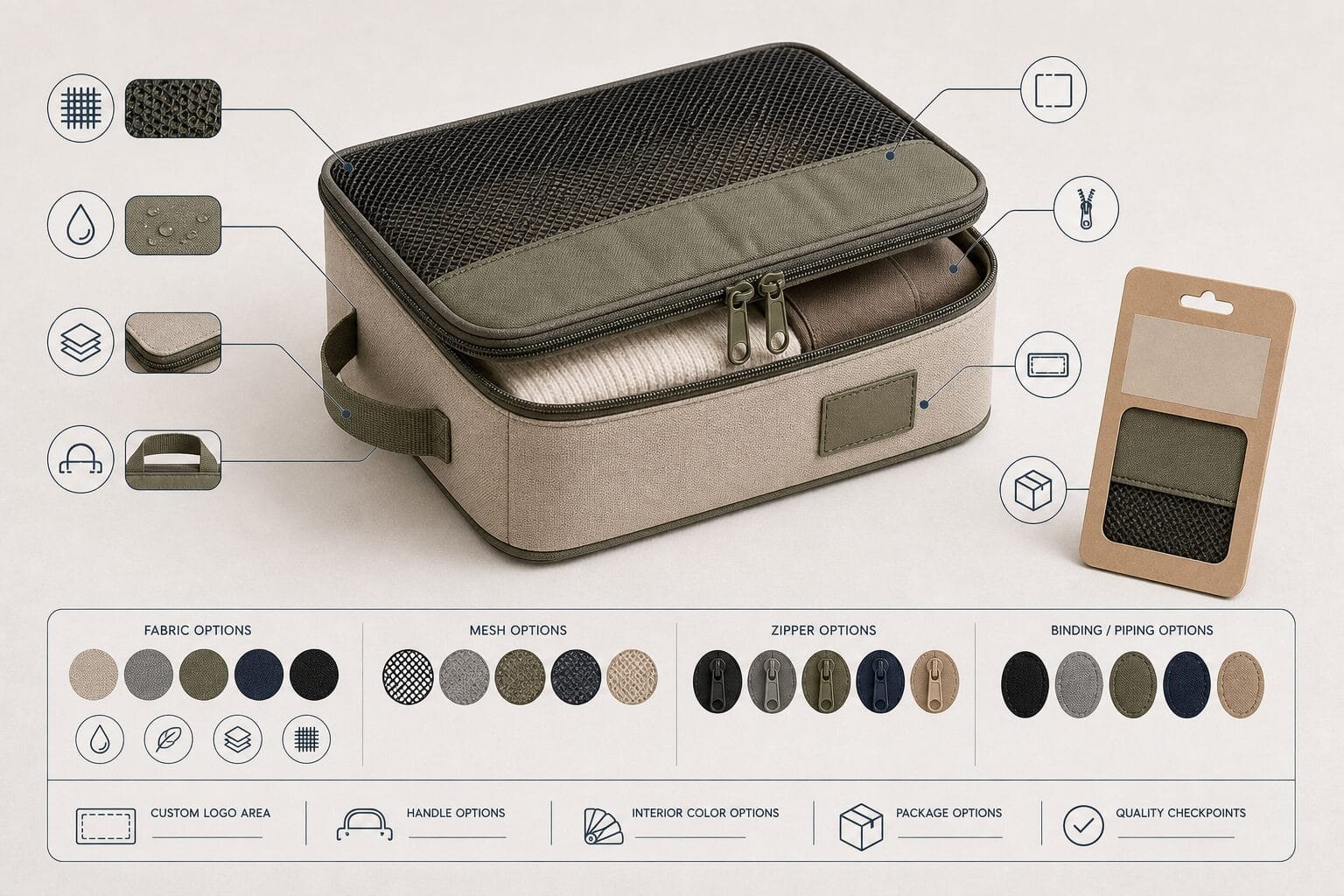
The right material is not the most expensive option; it is the one that supports the intended function, hand feel, weight, price and repeat-order consistency. Fabric, mesh, zipper, binding and thread must also behave as a system. A lightweight panel paired with a stiff binding or oversized zipper can make a cube feel unbalanced even when every component is acceptable on its own.
Material, mesh, zipper, binding and handle decisions reviewed together.
Best when organization is the primary promise
A single main zipper keeps the structure lighter and easier to explain. Larger mesh panels improve visibility, but they provide less privacy and can reduce panel stability.
Best when space reduction justifies added complexity
The second zipper closes a gusset to reduce volume. It adds cost and load, so zipper quality, panel strength, seam reinforcement and realistic fill levels require closer review.
Useful for cost-controlled volume programs because color and supply can be relatively stable. Denier, coating and hand feel still need to be specified.
Supports a lighter, smoother premium feel. Confirm abrasion expectations, coating, color consistency and whether the price position supports it.
The reinforcement grid creates a technical travel appearance and can improve tear resistance, but it does not replace seam or zipper reinforcement.
Available for project-specific briefs. Required recycled-content evidence, testing or transaction documentation should be defined before quotation.
Improves visibility and ventilation. Mesh opening, softness, recovery and snag resistance should match the garment use and panel size.
Provide more privacy and structure. They can also make contents harder to identify, so labels, print or color coding may become more important.
Confirm panel area, visibility, recovery and how the mesh is captured by the seam or binding.
Why it matters: weak or overly soft mesh can distort when the cube is full.
Check slider movement around corners, pull access, zipper ends and the interaction between main and compression zippers.
Why it matters: tight curves and excess fabric can create snagging points.
Define seam allowance, stitch consistency, edge finishing and reinforcement at zipper ends and handles.
Why it matters: compression transfers load to construction points, not only the fabric.
Load the sample with representative garments, close it normally and repeat the compression sequence.
Why it matters: an empty sample cannot prove real zipper access or panel behavior.
Do not specify “waterproof” based only on a coated fabric. Needle holes, mesh panels and standard zippers can still admit water. If water resistance is important, define the expected exposure and evaluate the complete construction rather than relying on a material name.
Turn a Product Idea into an Approvable Set.
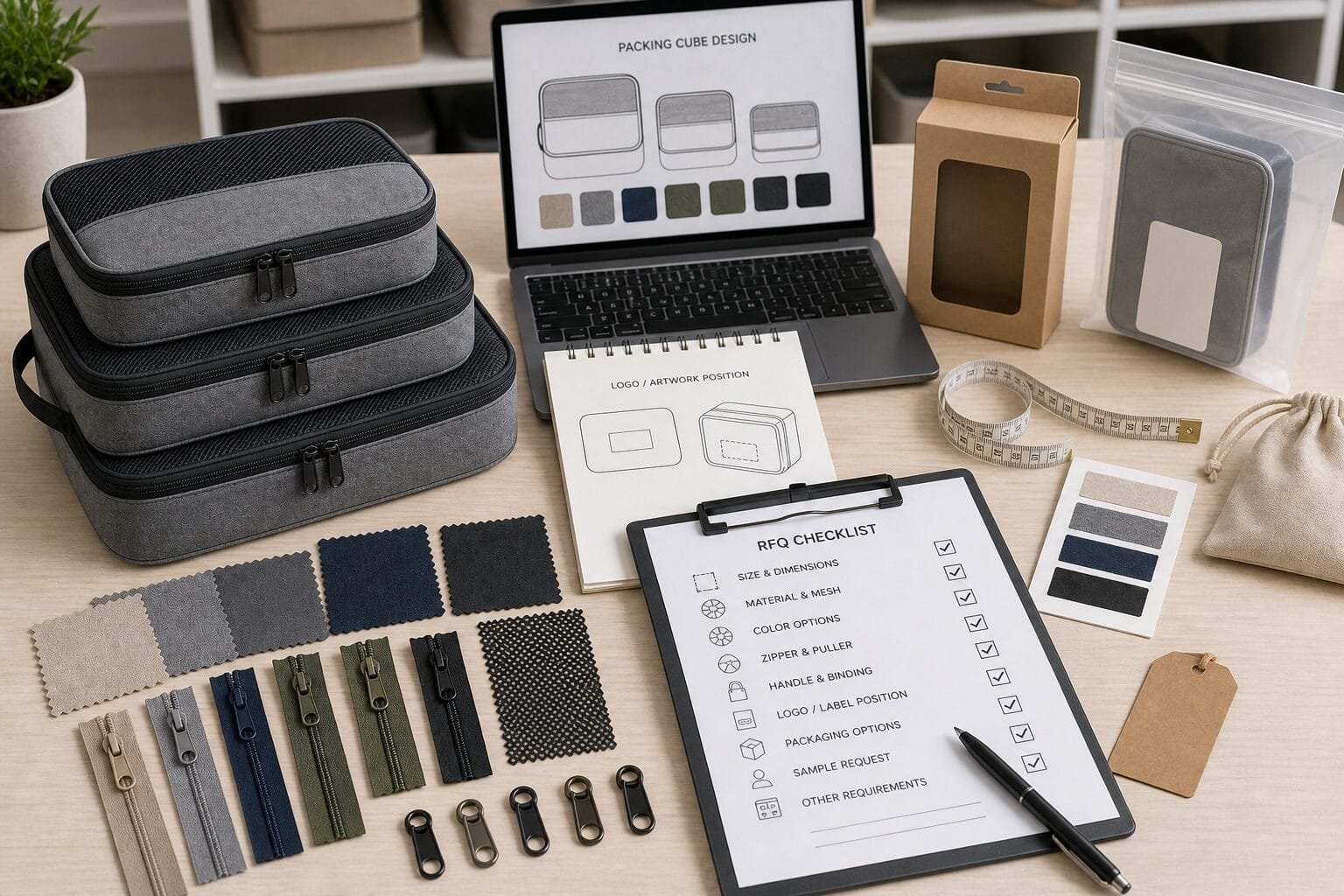
Free design support is most useful when it converts an incomplete idea into decisions a buyer can approve. You can start with a reference photo, a competitor sample, an existing luggage line or only a target customer and price position. The factory team then identifies the missing specifications before material is cut.
Design support does not mean making aesthetic choices without the buyer. It means presenting options, explaining the production trade-offs and recording the approved direction for sampling.
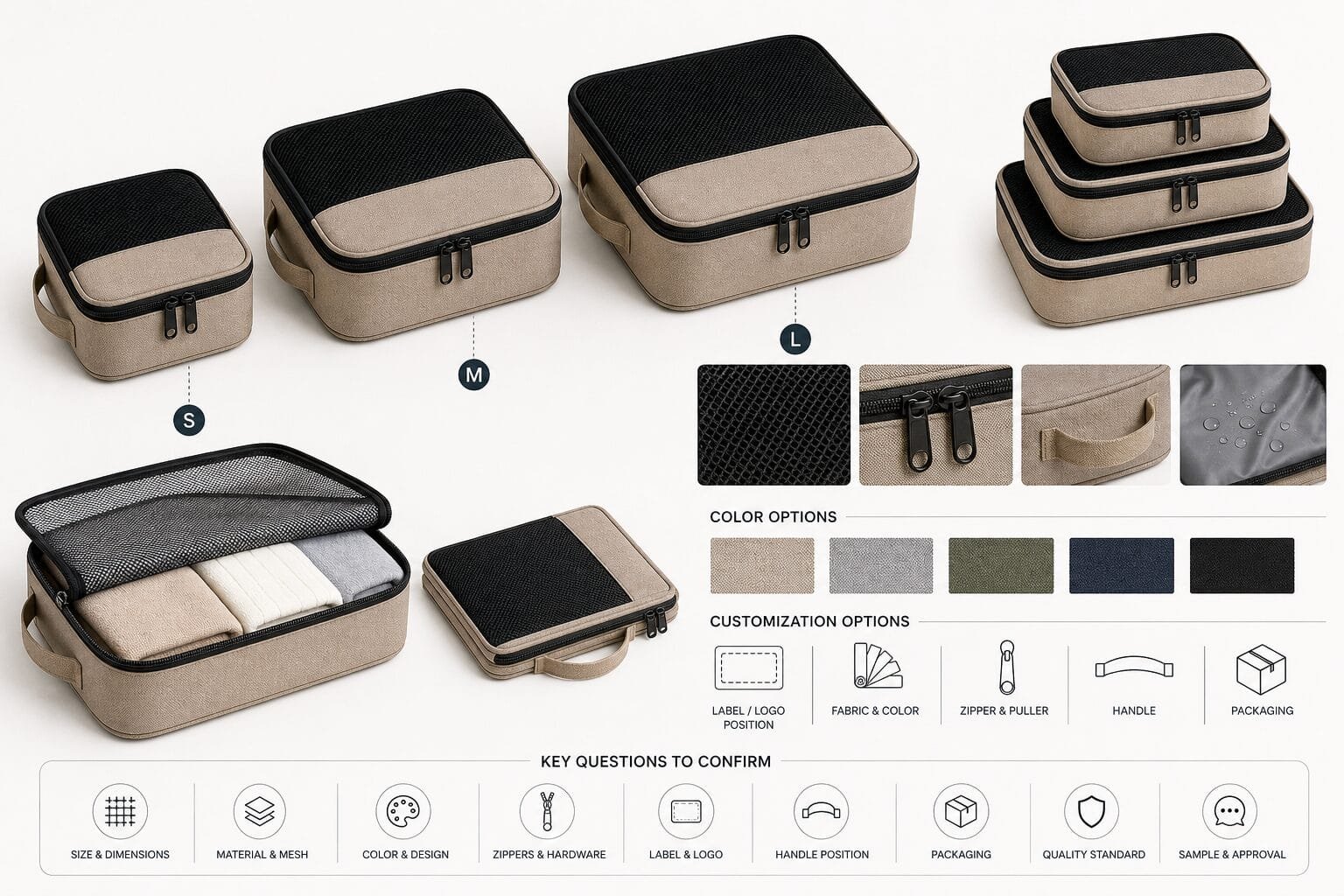
Define the commercial idea and unknowns
Record the customer, channel, luggage type, desired pieces, reference images, price position and quantity. Mark every missing item instead of guessing silently.
Resolve structure and specification choices
Compare set count, dimensions, fabric, mesh, zipper, reinforcement, logo, accessories and packing. The output is a clear sampling direction, not only a visual rendering.
Approve the product with evidence
Load the sample, operate the zippers, compare all sizes together and review branding and packing. Revisions should be recorded before the sample becomes the bulk reference.
Piece count, purpose of each piece and proposed size hierarchy.
Buyer approves: whether the combination serves the target traveler.
Fabric, mesh, coating, zipper, binding and handle suggestions with trade-offs.
Buyer approves: look, hand feel, function and cost direction.
Logo method, position, color, labels, pullers and packaging artwork requirements.
Buyer approves: consistency across every component.
Dimensions, capacity, zipper operation, workmanship, set count and pack-out.
Buyer approves: measurable changes before bulk production.
Before starting, confirm which design work, sample costs, freight and revisions are included for your project. The purpose of the review is to remove ambiguity, so commercial terms should be as clear as the product specification.
Logo Application
Retail Branding
Your Branding, Applied Across Every Piece.
Private label consistency goes beyond adding one logo. A packing cube set places multiple sizes side by side, so small differences in color, logo scale, label position, zipper pull and mesh tone become easy to notice. We therefore review branding as a system and define what remains identical and what changes by size.
The logo method should follow the material and use case. Heat transfer can give a clean graphic result on suitable fabric; a woven label works across more textured materials; embroidery adds dimension but also weight and needle penetration; a rubber patch creates a stronger visual feature but changes cost and packing thickness.
Define one visual system instead of applying the same physical logo size blindly to XL and S pieces.
Confirm the body fabric, mesh, binding, zipper tape and pull-cord relationship under the same light.
Specify slider, puller, pull cord, hardware finish and whether custom tooling is required.
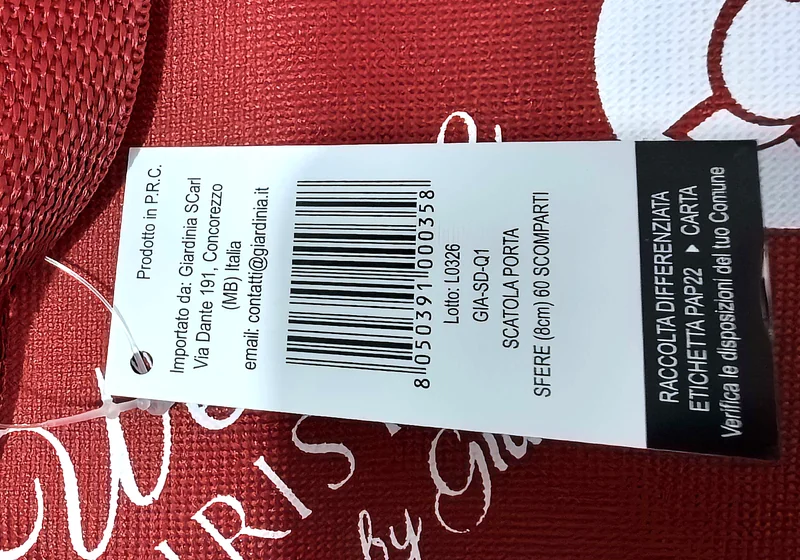
Coordinate care, composition, size, country-of-origin and project-specific information.
Use a pouch, belly band, insert or box to explain the piece count and customer benefit clearly.
Connect colorways and set combinations to barcodes, unit labels, carton marks and quantities.
How We Select a Logo Method
| Method | Useful when | Points to approve | Potential trade-off |
|---|---|---|---|
| Heat Transfer | A clean graphic or multi-color mark is needed on a compatible flat panel | Color, edge quality, position, adhesion and response to folding | Not every coating or textured surface is suitable |
| Woven Label | A durable label is needed across multiple fabric textures | Thread colors, edge fold, label size, sewing position and direction | Very small text may lose clarity |
| Embroidery | The brand wants a tactile, premium appearance | Stitch density, backing, panel distortion and reverse-side finish | Adds weight, cost and needle holes |
| Rubber Patch | A strong dimensional logo feature suits the product position | Tooling, color, thickness, sewing or bonding method | Can increase cost and folded package thickness |
Approve branding on the actual production material, not only on a digital mock-up. Surface texture, coating, panel tension and heat response can change the final appearance.
Every Piece Is Checked as Part of the Complete Set.
A set can fail even when the individual bags look acceptable. A missing laundry pouch, reversed size label, mismatched mesh shade or incorrect insert can make the whole retail unit unsellable. Our QC approach therefore combines component checks, individual product checks and complete-set pack-out verification.
Inspection criteria should come from the approved order standard—not from vague expectations such as “good quality.” Before production, the buyer and factory should identify critical dimensions, functional checks, appearance limits, defect categories, sampling level and packaging requirements.
Approved specifications create a shared reference for sampling, production and final inspection.
01
Check each approved size and tolerance.
02
Verify every cube and accessory is included.
03
Review fabric, mesh, binding and zipper color.
04
Check main and compression zipper movement.
05
Inspect seams, binding, handles and stress points.
06
Confirm logo position, size and appearance.
07
Make sure the full set folds and packs correctly.
08
Verify inserts, labels, barcodes and carton marks.
Compare fabric, mesh, zipper tape, sliders, binding, labels and packaging materials with approved references.
Evidence: material records, color references and component samples.
Review the approved sample, dimension method, seam construction, logo position, piece list and packing sequence with the production team.
Evidence: signed specification and approved sample reference.
Check cutting, panel alignment, zipper installation, seam quality, binding and stress-point reinforcement before the order is fully completed.
Evidence: in-process inspection record and corrective action when required.
Inspect sampled finished goods and verify complete set count, size sequence, branding, inserts, unit pack, carton quantity and carton marks.
Evidence: final inspection and shipment-release records.
Agree the inspection level, sampling plan, acceptance limits and definitions of critical, major and minor defects in writing. Identify any checks required on every piece separately from sample-based shipment acceptance.
Packaging Prepared for the Way You Sell.
Packaging is part of the product specification because it affects presentation, protection, unit dimensions, labeling, carton quantity and fulfilment cost. The same six-piece set may need a visible belly band for a store, a compact identified unit for e-commerce or a structured presentation box for gifting.
We review the folded set and nesting sequence before artwork approval. This prevents the graphic designer from building a package around dimensions that change after the physical products are packed together.
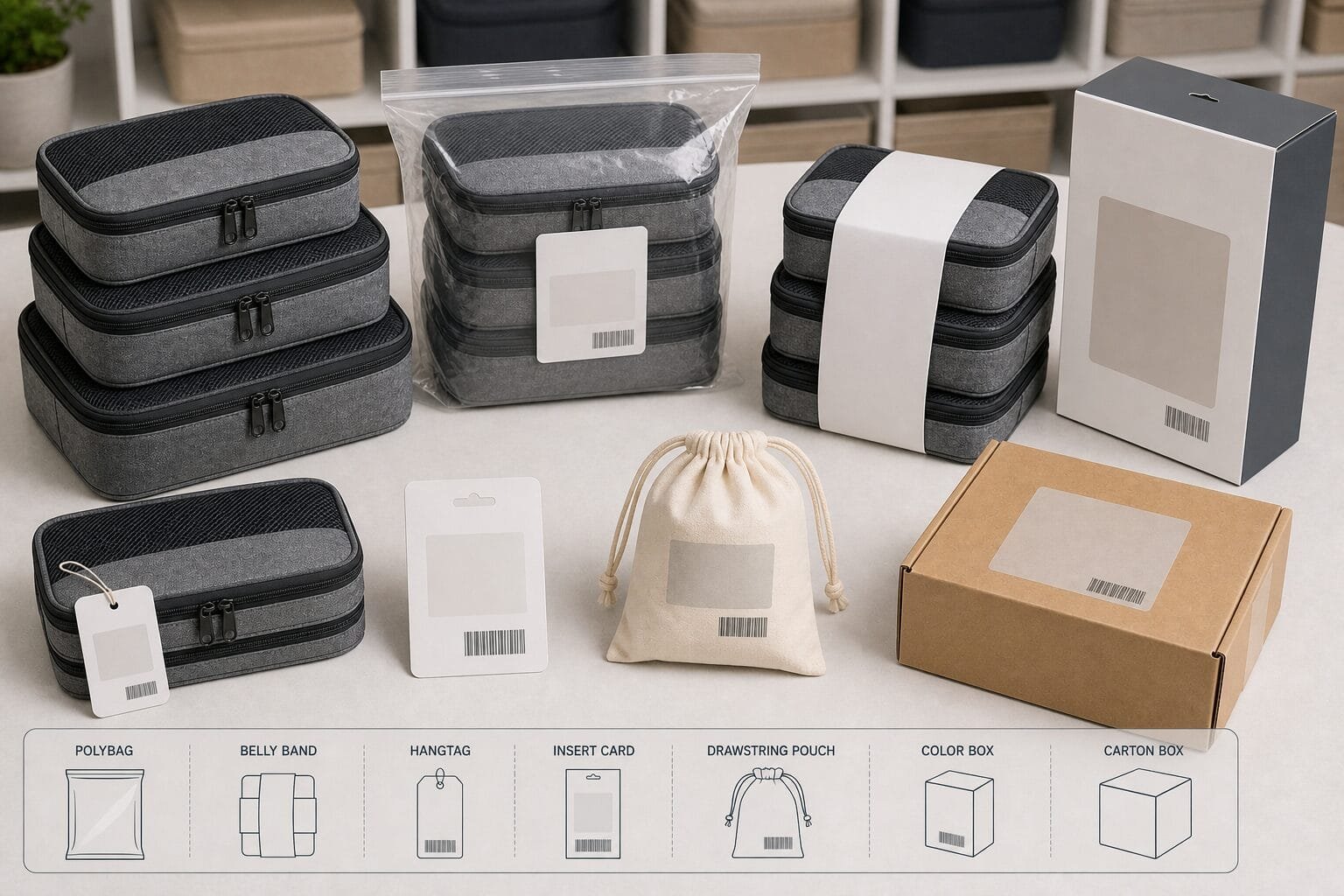
Packaging can be coordinated with set count, brand presentation, shipping route and carton plan.
▦
Retail Stores
The pack must explain the set quickly and remain stable during display and handling.
- Belly band, insert or color box
- Piece-count and size communication
- Hang tag, barcode and care information
- Shelf-ready color and brand presentation
⌂
E-commerce
The priority shifts toward unit identification, compactness and repeatable fulfilment preparation.
- Nested set and folding sequence
- UPC / FNSKU or project label placement
- Individual set identification and protection
- Unit and master-carton dimensions
◇
Gift Programs
Presentation has higher importance, but the box and inserts must not add unnecessary shipping volume.
- Branded storage pouch or gift box
- Custom insert and message card
- Theme color and accessory coordination
- Inner fixing and opening experience
Approve the exact folded arrangement, package dimensions, unit weight, barcode location and required warnings.
Prevents: inconsistent packs and incorrect listing data.
Define how colorways, set counts and sizes are identified on the unit pack and master carton.
Prevents: mixed variants and fulfilment receiving errors.
Confirm quantity, orientation, carton size, gross/net weight, carton marks and internal protection.
Prevents: avoidable volume and shipping damage.
Check approved copy, piece count, dimensions, barcode, care information and country-specific requirements before printing.
Prevents: packaging that is visually correct but commercially unusable.
The smallest package is not always the best package. Excessive compression can crease coated fabrics, deform structured panels or make the customer opening experience difficult. Packing efficiency should be balanced against product recovery, protection and presentation.
Packing Cube Set Ideas for Your Next Collection
These structures are sourcing directions, not fixed catalogue limits. Use an existing construction to shorten early development, or change the dimensions, fabric, functions and packaging when the market position requires a genuinely different set.
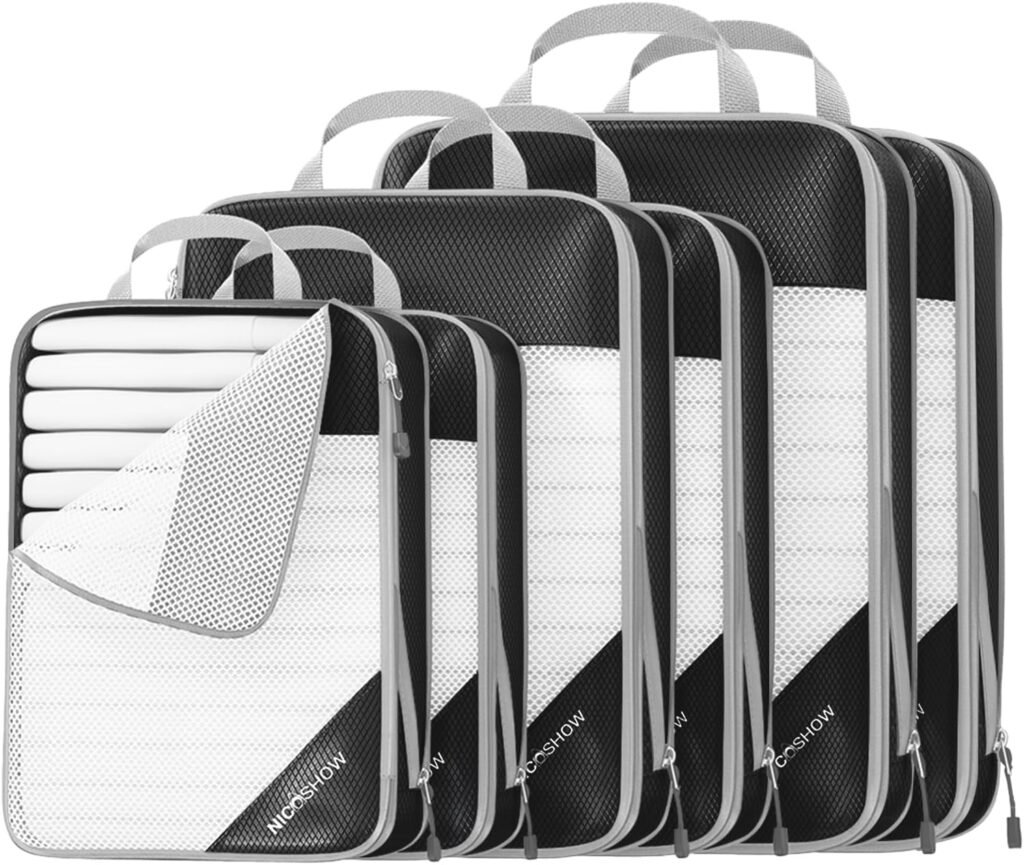
Standard Mesh Set
Visible, breathable organization for broad retail programs.
- 3–8 Pieces
- Polyester
- Mesh
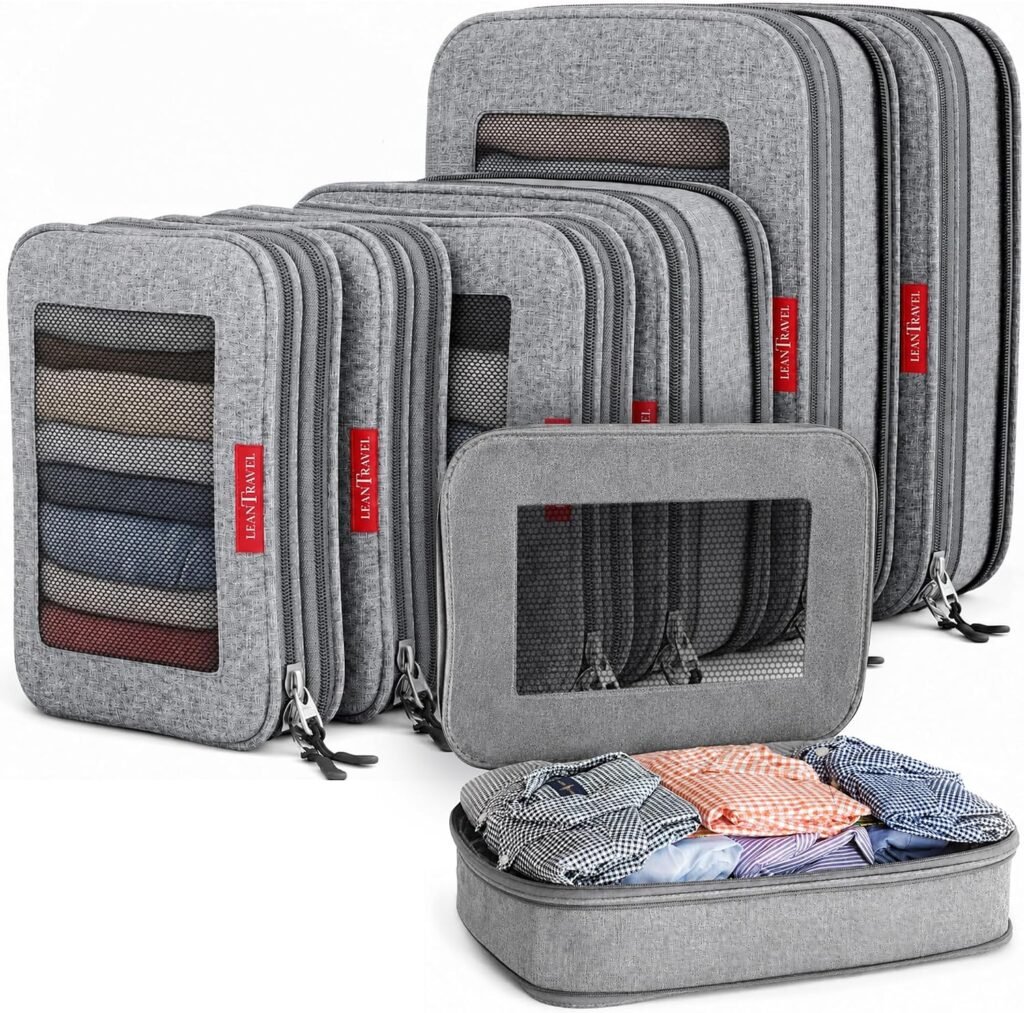
Additional zipper structure for volume reduction.
- Compression
- PU Fabric
- Private Label
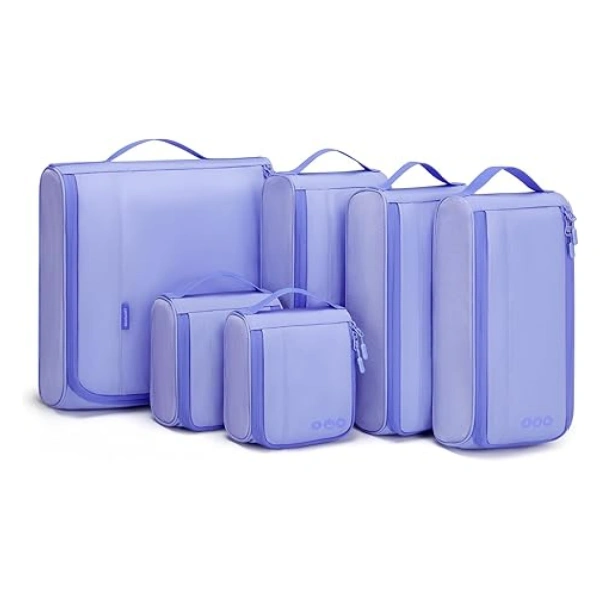
Structured Travel Set
More shape and support for luggage brand collections.
- Structured
- Mesh Panel
- Custom Size
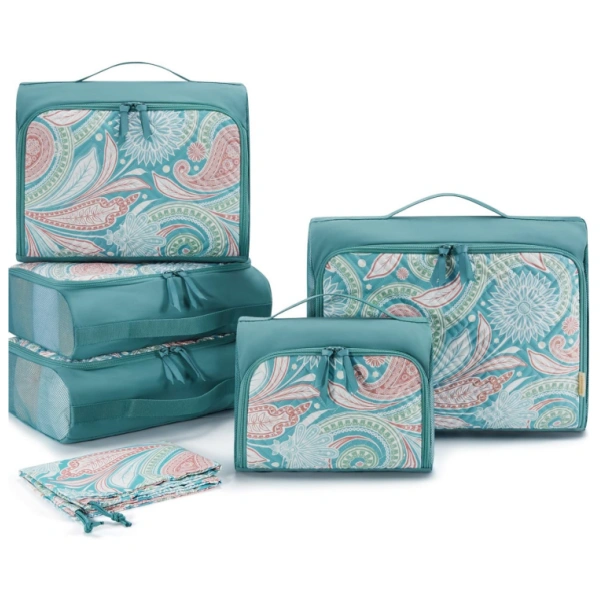
Quilted Premium Set
Soft visual finish for fashion-led travel programs.
- Quilted
- Premium
- Custom Color
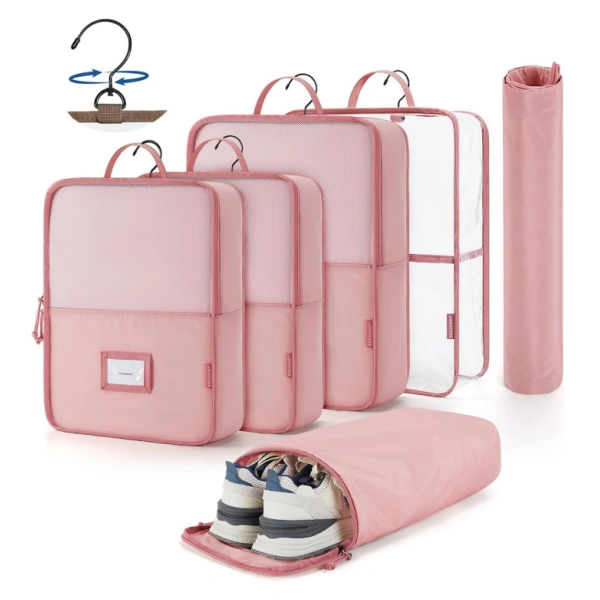
Hanging & Clear Set
Multi-function organization with visible compartments.
- Hanging
- Clear Bag
- Water-Resistant
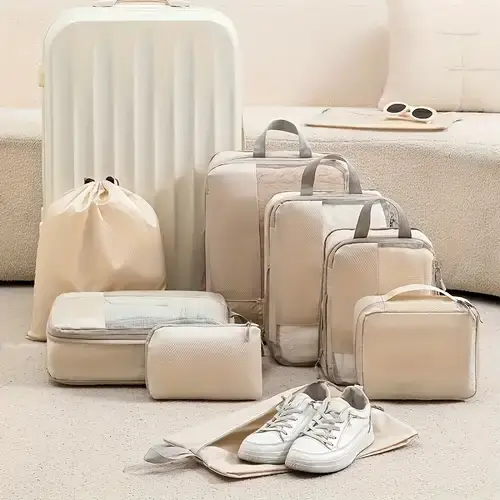
Lightweight Organizer Set
Compact structures for online and travel accessory ranges.
- Lightweight
- Wholesale
- Custom Logo
Coordinated Color Set
Matching fabric, mesh, binding and zipper presentation.
- Color Program
- Compression
- Retail Ready
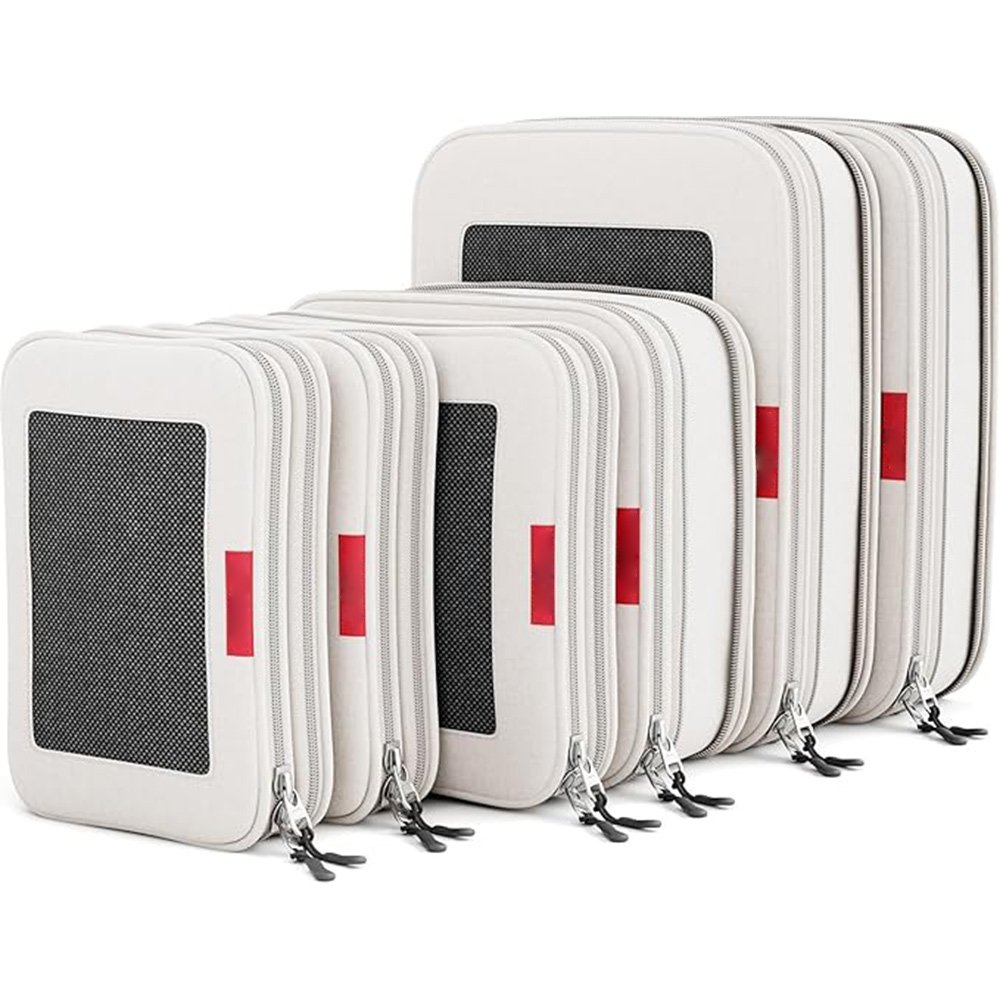
Custom Combination Set
Combine packing cubes with shoe and laundry storage.
- Mixed Pieces
- Custom Set
- Gift Option
Choose a Product Direction by Customer Promise
| Direction | Customer promise | Best-fit program | Factory points to verify |
|---|---|---|---|
| Standard Mesh | Simple visibility and clothing separation | Entry retail, promotional and broad travel ranges | Mesh recovery, zipper movement, size hierarchy and pack value |
| Compression | Organization with reduced packed volume | Travel brands and higher-value e-commerce programs | Gusset depth, filled zipper operation, panel distortion and reinforced stress points |
| Lightweight Ripstop | Low empty weight and technical travel appearance | Outdoor, minimalist and premium luggage accessories | Fabric weight, coating, seam strength, handle reinforcement and hardware balance |
| Structured / Quilted | Shape retention and stronger shelf presentation | Fashion, luggage and gift collections | Recovery after folding, added pack volume, panel alignment and visual consistency |
| Shoe / Laundry Combination | Separation of used, clean and footwear items | Family travel, longer trips and complete gift sets | Useful volume, closure, lining expectations, labeling and distinct purpose |
| Hanging / Clear | Visible multi-function organization at destination | Specialty travel and hotel-oriented programs | Hook load, hanging balance, clear-panel material, folding and compartment access |
How an Incomplete Brief Becomes a Production Specification.
This is a transparent example of the Great Shine development method—not a claim about a named customer’s sales performance. It shows the decisions and evidence required before an idea is ready for bulk production.
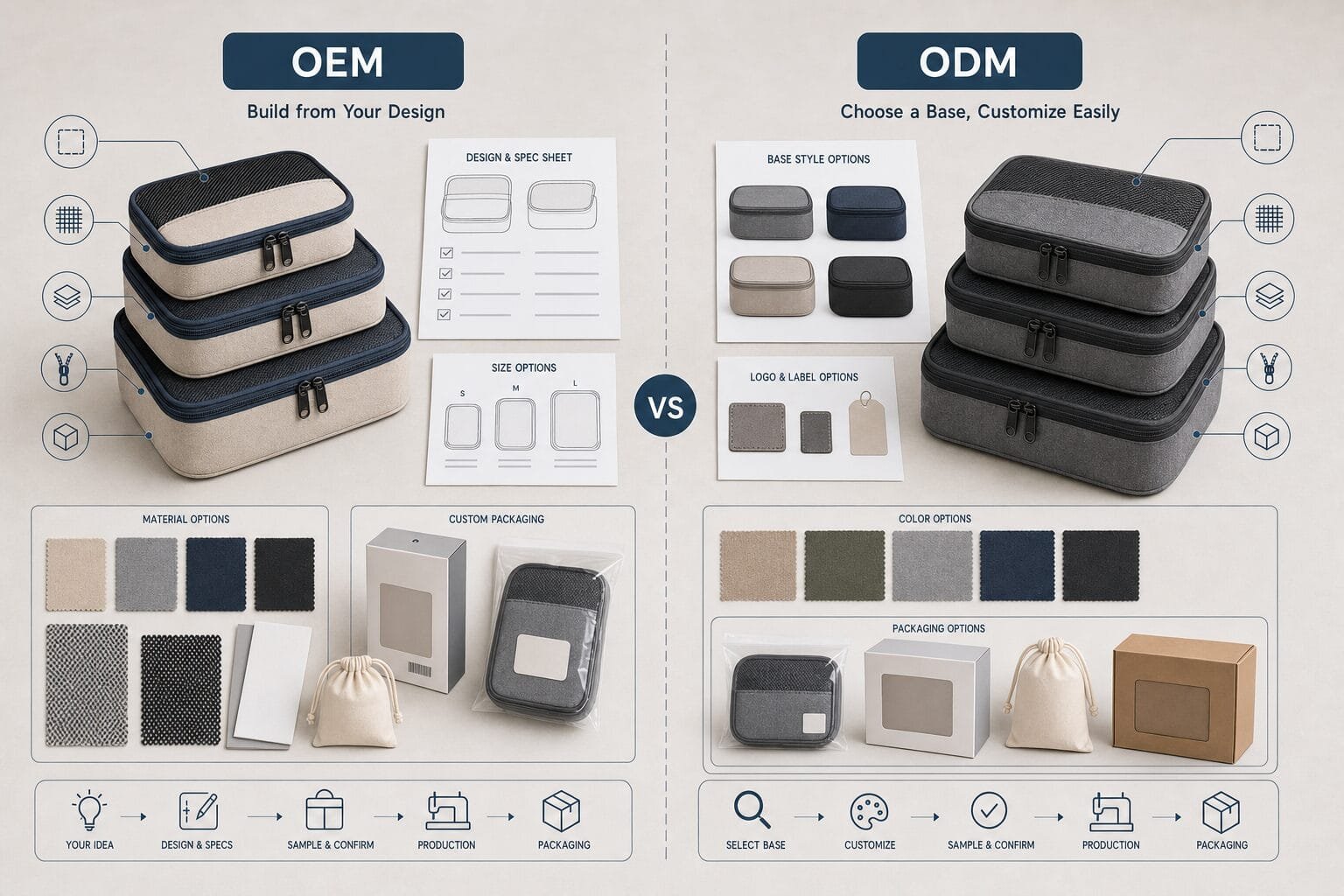
Choose an OEM route from an existing specification or an ODM route for deeper product development.
Confirm target luggage, traveler, price tier, sales channel, order volume and whether compression is a real product requirement.
Assign a purpose to each cube and remove redundant dimensions. Add a laundry pouch only because it creates a separate use case.
Compare polyester or nylon direction, mesh percentage, standard or compression zipper, binding and handle reinforcement.
Set logo scaling rules, common color references, label placement, zipper details and the unit-pack communication.
Measure each piece, load representative garments, operate all zippers, arrange the set in luggage and review the folded pack.
Record approved dimensions, materials, construction, branding, set count, packaging and inspection points before production.
The result is not simply an attractive sample. It is an approved sample plus a specification that another production or QC team can understand: every piece has a defined purpose, dimensions and construction; the set fits the target luggage direction; branding is consistent; and the complete unit can be packed and inspected repeatedly.
From Product Idea to Export-Ready Set
Each stage has a buyer decision and a factory output. Moving forward only after those items are clear reduces late revisions, packaging rework and disagreement during final inspection.
Share Brief
Buyer provides the reference, use case, channel, target market, quantity and timing.
Plan the Set
Factory proposes the piece count, dimensions, roles and accessory combination.
Confirm Details
Both sides confirm materials, structure, branding, packaging and quotation basis.
Develop Sample
Buyer reviews the physical set, records revisions and confirms the final sample.
Approve Bulk
Factory issues the product, packing and inspection references before material cutting.
Produce & Inspect
Production, in-process checks, final inspection, pack verification and shipment release.
Information buyers can verify before placing an order
Request the current company and facility details, relevant production scope and available audit or material records for your packing cube program. Identify each document by holder, date, scope and current status. Review the sample room, manufacturing steps and packing process against the intended set.
Samples are free and are completed in 3-7 days. Confirm MOQ, courier costs, production milestones, inspection criteria and required documentation in the quotation and order specification. For each approved set, record the dimensions and empty weight of every piece, set contents and individual or complete-set packaging.
Packing Cube Set Manufacturing FAQs
Use these questions to prepare a clearer product brief before sampling and quotation.
A custom set can combine XL, large, medium, small and slim packing cubes with a shoe bag, laundry pouch, toiletry case, accessory pouch or branded storage bag. Each added piece should have a distinct customer use; otherwise it increases cost and pack volume without improving the organizing system.
Yes. We review the target traveler, usable luggage space, product position, selling channel and target package before recommending a combination. A three-piece set is often clearer for an entry program, while a six- or eight-piece set needs stronger size differentiation and packing logic.
Yes. Dimensions can be developed from your luggage interior, existing specification, product sample or target packing layout. Final tolerances and the method used to measure soft products should be written into the approved specification because fabric and construction affect the finished dimensions.
Standard cubes use a main zipper to organize clothing by category. Compression cubes add a second zipper or gusset structure to reduce volume; this adds cost and stress, so fabric stability, zipper movement, seam reinforcement and realistic fill testing are more important.
Yes. Shoe and laundry separation can make a set more useful, especially for longer trips or gift programs. We recommend deciding their volume, closure, lining or water-resistance expectations separately instead of treating them as smaller copies of a standard cube.
Yes, but visual consistency requires more than using one artwork file. Pantone references, fabric lots, mesh tone, binding, zipper tape, pullers, logo scale and position should be reviewed across all sizes, preferably side by side on the approved sample set.
Common directions include polyester, nylon, ripstop fabrics, project-specific recycled materials, breathable mesh and solid panels. The choice should follow the intended weight, hand feel, durability, compression structure, price and required documentation—not a material name alone.
Yes. Options can include a storage pouch, belly band, insert card, hang tag, barcode label, color box and project-specific carton marks. The folded set and unit dimensions should be approved before artwork is finalized so the package reflects the actual product.
Yes. The sample should be measured, loaded with representative contents, operated and packed—not only viewed. Record all accepted revisions and use the final sample together with the written specification as the bulk-production reference.
We connect the approved sample to measurable dimensions, material and color references, construction points, logo rules, piece-count lists and packing instructions. Incoming component checks, in-process inspection and final set-level verification can then use the same order-specific standard.
Build Your Packing Cube Set with Our Factory Team.
Tell us how your customers will use the set and how many bags you would like to include. We can develop compression sets with up to 10 bags. The 10-piece configuration starts at 500 sets; other configurations are quoted separately. If dimensions are undecided, send your intended contents or usable suitcase space so we can discuss a size mix.
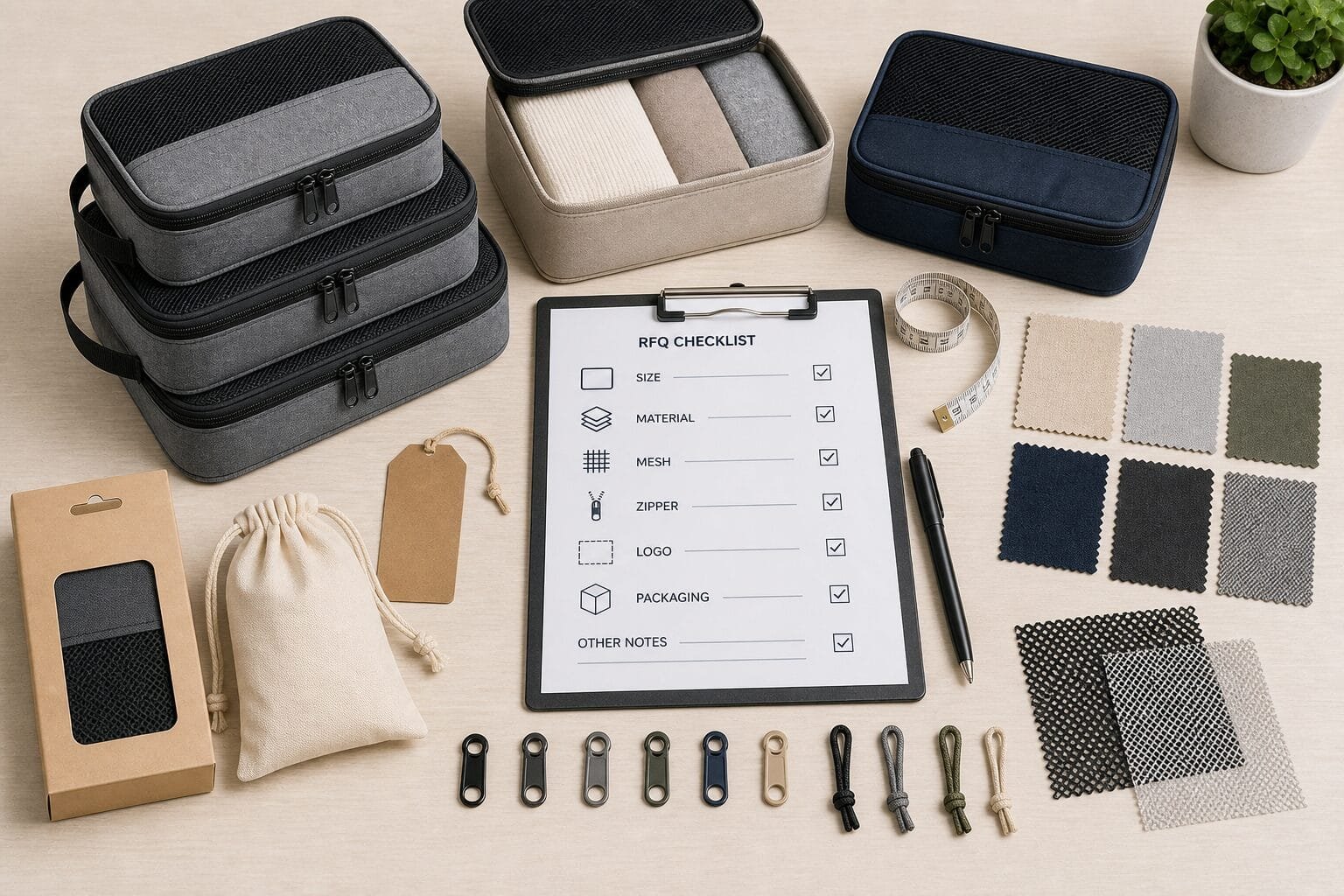
Include your logo artwork, quantity by color, retail packaging, destination and required arrival date. Before sampling, agree each bag’s dimensions and quantity, including whether measurements are expanded or compressed. Use our travel bag RFQ checklist to prepare the brief.
- Free design review
- Custom sample support
- Direct factory communication
- OEM / ODM and private label development

