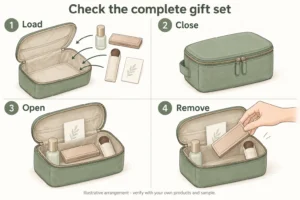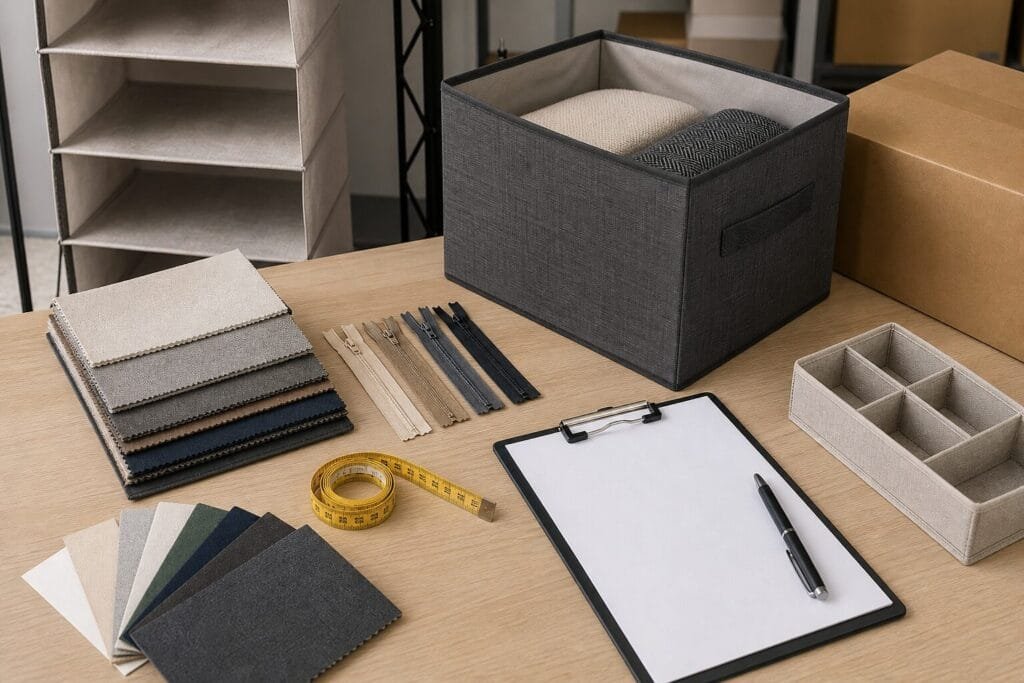
Wholesale closet organizers look simple from the outside, but most sourcing problems start with unclear specifications. A hanging shelf organizer, foldable wardrobe bin, drawer divider set and handbag organizer insert may all belong to the closet storage category, yet they need different materials, support panels, sewing details, packaging plans and inspection points.
This guide is written for retail buyers, importers, wholesalers and private label teams preparing an RFQ for wholesale closet organizers. It focuses on practical questions that help both sides quote the same product, approve the right sample and reduce avoidable changes before bulk production.
For product context, Great Shine’s closet storage organizers page shows common closet storage directions, while the handbag organizers page is useful if your program includes inserts or small compartment organizers.
Start With the Sales Channel and Product Use
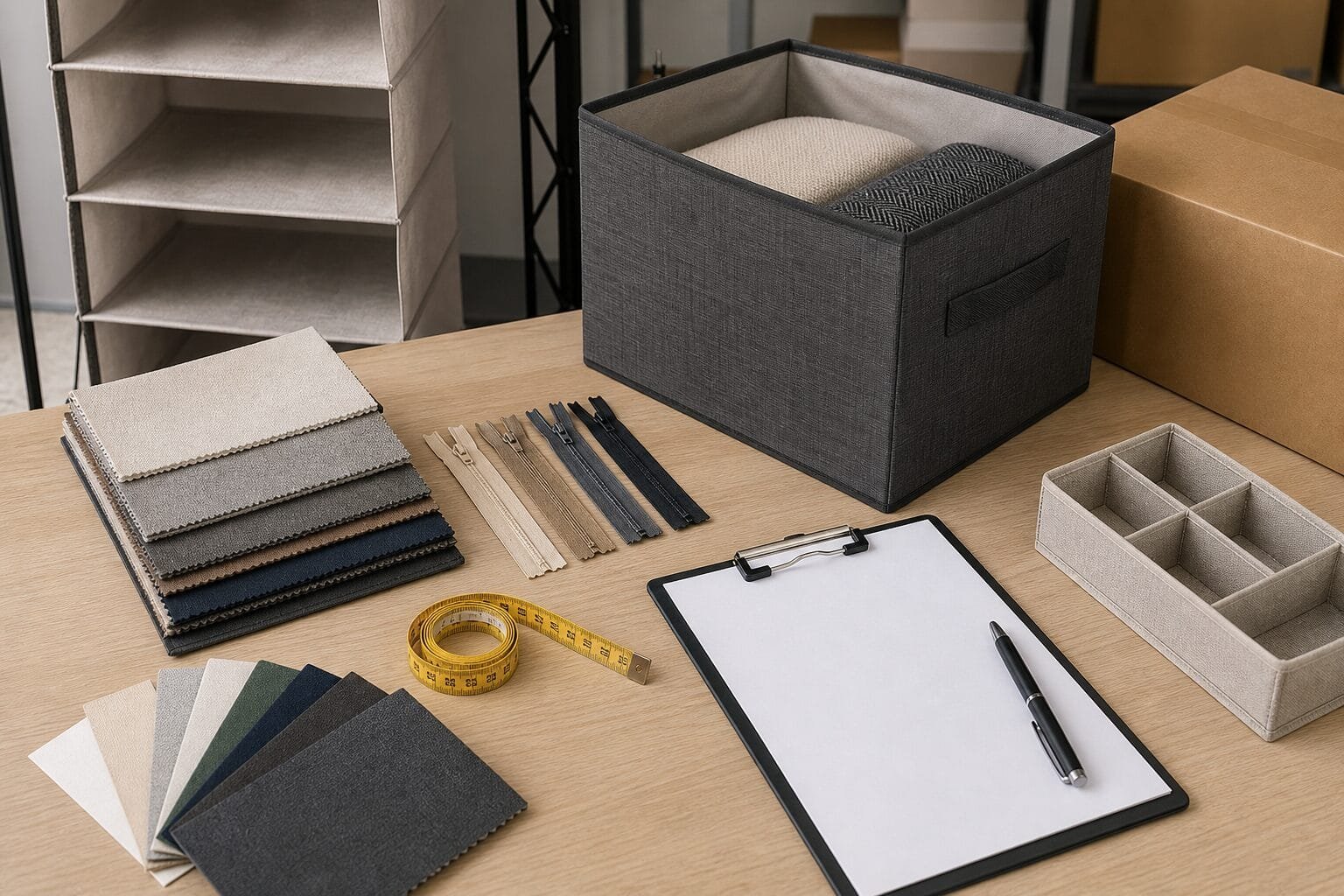
Before comparing materials or asking for MOQ, define where the product will be sold and how the end user will use it. A retail shelf program usually needs clear packaging, stable folded presentation, barcode placement and consistent SKU information. An e-commerce program may focus more on compact packing, product photos and carton efficiency. A private label collection may need tighter control over fabric color, labels, hangtags and matching packaging across multiple sizes.
The product use also changes construction choices. A hanging closet shelf needs support direction and hanging detail review. A foldable bin needs side-wall stability and handle placement. A drawer organizer needs divider fit and internal dimensions. A handbag organizer insert needs pocket layout, lining feel and easy removal.
Send this context before asking for a quote. A supplier can only recommend a practical construction route when the commercial use case is clear.
Choose the Closet Organizer Type First
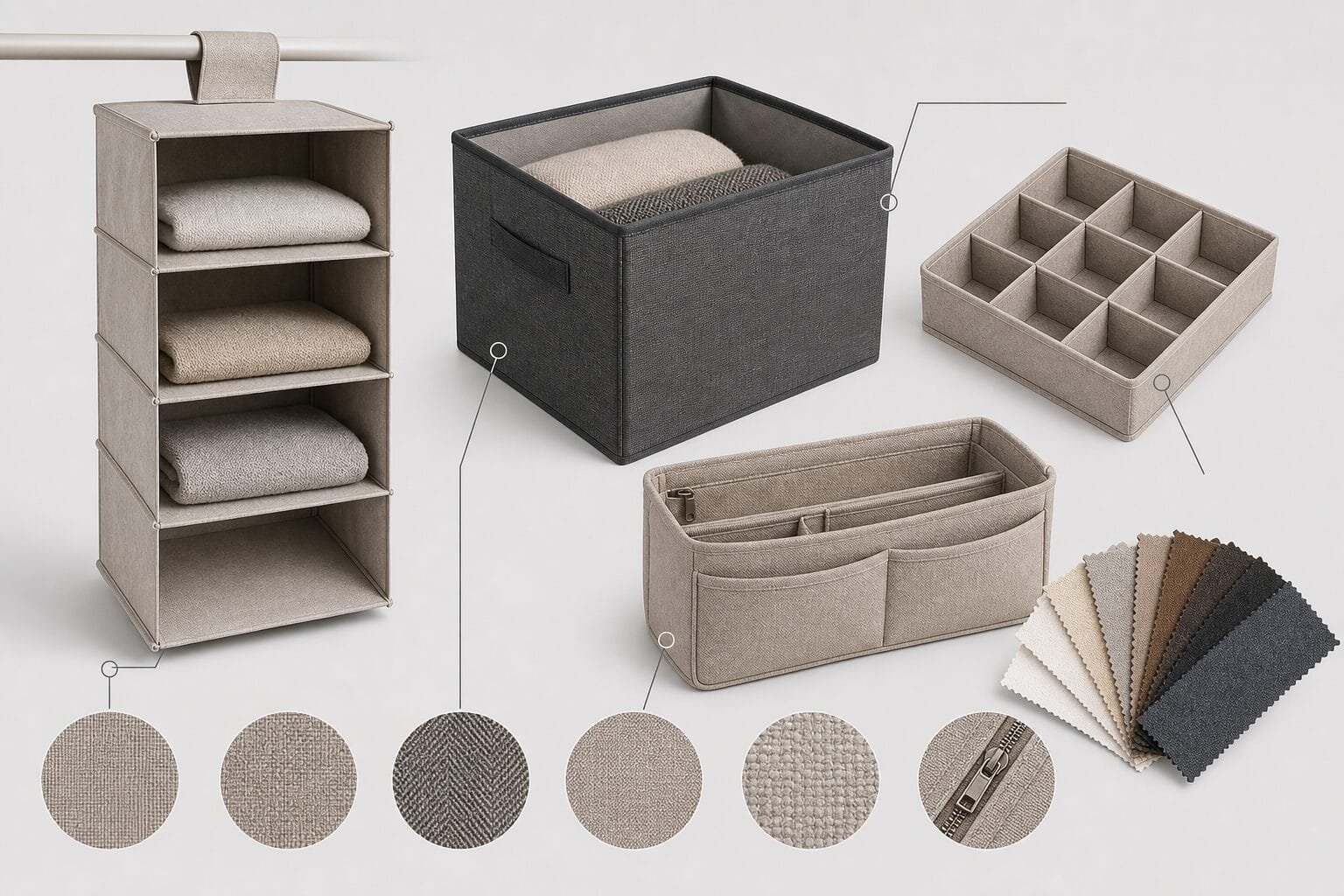
The phrase closet organizer is broad. Buyers should identify the exact product type before comparing suppliers. If your line includes several items, separate them by function, size and packaging instead of asking for one general quotation.
Common wholesale closet organizer directions include:
- Hanging closet shelves with compartments, side pockets or hanging loops
- Foldable wardrobe storage bins with handles, lids, windows or zippers
- Drawer divider organizers for socks, underwear, accessories or folded items
- Handbag organizer inserts with pockets, dividers and handles
- Hanging pocket organizers for accessories, shoes or small home items
- Multi-piece closet storage sets packed by color, size or SKU group
If you have a reference sample, explain what should be copied and what should be changed. A photo alone does not tell the supplier whether you care most about size, fabric, pocket layout, color, logo position, folding style or packaging.
Compare Materials by Function, Not Only by Name
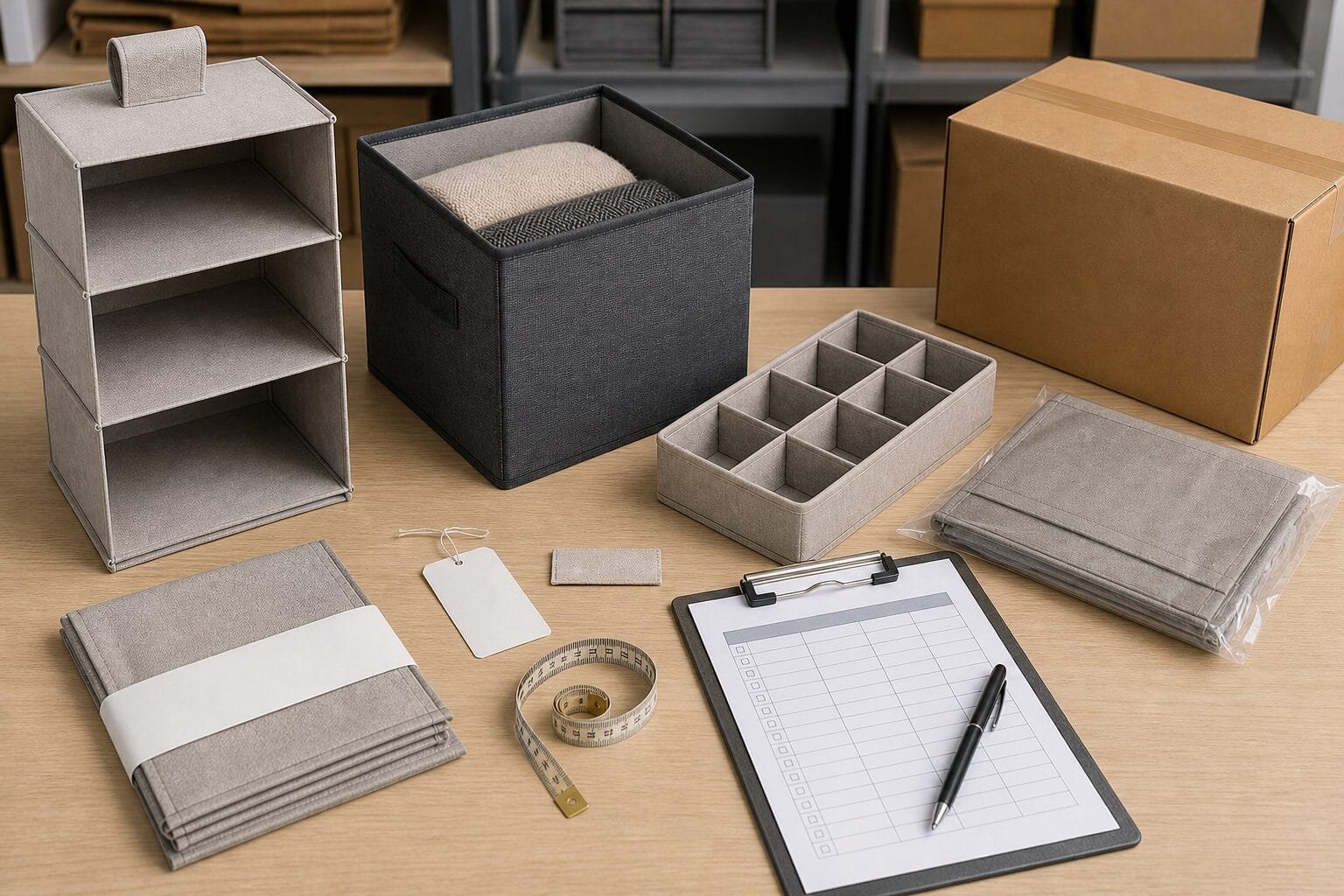
Material names can be misleading if buyers do not define the function. Two products may both use polyester, but the fabric weight, coating, lining, reinforcement panel and sewing method can create very different results. For closet storage, buyers should compare material direction together with structure.
| Material or Component | Common Use | What Buyers Should Confirm |
|---|---|---|
| Non-woven fabric | Cost-conscious storage bins and promotional closet organizers | Fabric weight, handle reinforcement, printing method and folding behavior |
| Polyester or Oxford fabric | Reusable storage bins, hanging shelves and stronger organizer programs | Fabric weight, lining, color matching, stitching and logo method |
| Cotton or canvas-style fabric | Lifestyle storage lines and higher-touch private label products | Shrinkage risk, color consistency, label method and packaging style |
| Mesh | Drawer organizers, breathable panels and visible compartments | Mesh strength, snag risk, seam finishing and compatibility with zippers |
| Clear panels | Visible storage windows or pocket fronts | Thickness, softness, clarity, scratches and edge finishing |
| PP board or cardboard reinforcement | Bins, shelves and organizers that need shape | Panel thickness direction, folding behavior and carton compression risk |
Avoid unsupported claims in product copy or packaging. Do not call a material waterproof, recycled, certified, flame-retardant or tested unless valid proof is available for the exact material and order. If the buyer’s market requires documents, include that requirement in the RFQ before sampling.
Review Structure Details Before Asking for Final Price
Price depends heavily on construction. A small change in pocket count, divider position, handle type, zipper route or panel support can change labor and material use. Buyers should send structural notes together with size and material direction.
Useful structure details include:
- Product dimensions and acceptable tolerance direction
- Compartment count, pocket layout and divider position
- Handle, hook, hanging loop or support method
- Zipper, lid, clear window, mesh panel or open-top design
- Folding method and target folded size
- Panel support needs for shelf display or in-use stability
- Label area and visible branding position
For broader custom development, Great Shine’s custom bag manufacturer page is relevant because many soft storage products use similar steps: sample review, material selection, logo planning, packaging confirmation and final approval.
Understand MOQ Logic for Wholesale Closet Organizers
MOQ should not be treated as one fixed number before the specification is known. The practical MOQ can change by material, color, size, style, logo method, packaging version and whether the design uses an existing structure or a new pattern.
Ask how MOQ is calculated. For example, a supplier may discuss MOQ by style, by color, by size, by fabric color lot, by packaging version or by custom label requirement. If a buyer wants several sizes in one collection, the supplier needs to know the quantity split for each SKU. If the order uses custom packaging, that packaging may have its own production requirement.
Clear MOQ questions include:
- Is MOQ calculated by style, size, color, logo or packaging version?
- Can different sizes or colors be combined under one program?
- Does custom packaging have a separate minimum requirement?
- Does an existing ODM structure change the MOQ discussion?
- Which material or color choices create higher minimums?
- What details are required before the quotation can be considered final?
The goal is not only to get the lowest number. The goal is to understand what drives the number, so the buyer can adjust the product plan if needed.
Plan Samples in Stages
A sample should have a defined approval purpose. For wholesale closet organizers, the first sample may confirm size and structure, while later samples may confirm final material, color, logo and packaging. If a first sample uses substitute material or temporary packaging, record that clearly.
A practical sample plan may include:
- Structure sample to check dimensions, compartments, handles and folding method
- Material sample or swatch review to confirm fabric, color and surface feel
- Logo or label sample to check size, color, placement and sewing method
- Packaging sample to confirm folded size, insert card, barcode and carton logic
- Pre-production sample to lock the final approved standard before bulk production
Private label teams should also confirm who approves artwork, packaging files and carton marks. Many problems occur when product samples are approved but packaging details are still open.
Confirm Branding and Packaging Early
Closet organizer branding can appear on the product, packaging or both. Depending on the structure, buyers may use sewn labels, woven labels, printed panels, hangtags, insert cards, barcode labels, retail boxes or carton marks. The right method depends on material, visibility and sales channel.
Packaging is not a final admin detail. It can affect carton size, folded shape, retail presentation, barcode placement and SKU separation. A foldable bin may need an insert card or band. A hanging shelf organizer may need compact folded packing. A drawer organizer set may need clear grouping so the buyer can identify size or color variations quickly.
Confirm these packaging points:
- Individual polybag, insert card, hangtag or retail box requirement
- Barcode label location and SKU information
- Folded size and packing method
- Carton quantity and carton mark content
- Mixed-size or mixed-color carton rules
- Any retailer-specific packaging instructions
For private label projects, Great Shine’s OEM/ODM private label bag manufacturing page explains how product development, logo, label and packaging decisions fit into the supplier workflow.
Build a QC Checklist Before Production
Quality control should match the product type. A hanging organizer needs different checks from a drawer divider or handbag insert. Buyers should define checkpoints before the supplier starts bulk production, not after defects appear.
Use this QC checklist as a starting point:
| QC Area | What to Check | Why It Matters |
|---|---|---|
| Dimensions | Product size, compartment size, folded size and usable space | Confirms the product matches the approved sample and packaging plan |
| Material | Fabric color, surface appearance, lining, mesh and clear panel condition | Prevents visible inconsistency across SKUs |
| Sewing | Seam alignment, loose threads, binding, pocket position and edge finish | Affects appearance and daily-use reliability |
| Structure | Panel stability, divider fit, handle direction, hanging loop and folding behavior | Confirms the organizer works as intended |
| Branding | Label size, logo placement, color and hangtag information | Protects private label consistency |
| Packaging | Polybag, insert card, barcode, carton mark and SKU separation | Reduces receiving and retail handling problems |
| Carton packing | Quantity, folded arrangement and carton condition | Helps avoid shipment and warehouse confusion |
If the buyer has restricted substance, packaging, labeling or inspection requirements, send them before sample approval. A supplier cannot safely assume which documents or checks are required for each destination market.
RFQ Checklist for Wholesale Buyers
Use this checklist before sending an inquiry for wholesale closet organizers:
| RFQ Field | What to Send | Why It Matters |
|---|---|---|
| Product type | Hanging shelf, foldable bin, drawer divider, handbag insert, hanging pocket or set | Helps the supplier judge construction and pattern work |
| Sales channel | Retail shelf, e-commerce, wholesale, private label or promotional program | Affects packaging, presentation and carton planning |
| Size and structure | Dimensions, compartments, handles, hooks, dividers, zippers, windows or panels | Drives sampling and quotation accuracy |
| Material direction | Fabric, mesh, clear panel, lining, reinforcement or open to supplier suggestion | Controls appearance, cost and function |
| Branding | Logo artwork, label type, hangtag, color and placement | Prevents wrong logo method or position |
| Packaging | Polybag, insert card, retail box, barcode, carton mark and SKU split | Impacts retail readiness and shipment planning |
| Quantity | Estimated order quantity and size/color breakdown | Helps supplier discuss MOQ and pricing logic |
| QC requirements | Measurement, packaging, inspection and market document requirements | Keeps sample approval aligned with bulk production |
Warning Signs When Comparing Suppliers
Be careful if a supplier quotes immediately without asking about material, size, structure, packaging or quantity split. A fast quote may be based on assumptions that change later. Also be cautious with vague material descriptions, unclear MOQ logic, unsupported certification claims or pressure to start bulk production before artwork and packaging are approved.
A useful supplier should help clarify tradeoffs. For example, they should be able to explain which changes require a new pattern, which branding method fits the selected material and which packaging choice affects folded size or carton volume.
When to Request a Quote from Great Shine
Request a quote when you have a product direction, reference photos, target dimensions, material preference, logo requirement, packaging idea and estimated quantity split. If some details are still open, explain the sales channel and target market so the supplier can recommend practical options.
Great Shine can review wholesale closet organizers together with related soft storage categories, including closet storage organizers, handbag organizers, storage bags, travel organizers, toiletry bags and cosmetic bags. Send your requirements through the contact page with reference images, size notes, material direction, packaging needs and target market.
FAQ
What should buyers confirm before ordering wholesale closet organizers?
Confirm product type, dimensions, material direction, structure details, branding method, packaging format, quantity split, sampling steps and QC requirements before asking for a final quote.
How is MOQ usually discussed for closet organizers?
MOQ should be discussed by style, size, color, material, logo method and packaging version because each variable can change production planning and quotation logic.
Which materials are common for wholesale closet organizers?
Common options include non-woven fabric, polyester, Oxford fabric, cotton or canvas-style fabric, mesh, clear panels, lining fabric and reinforcement panels, depending on the organizer structure and market requirement.
What packaging details matter for retail closet organizers?
Buyers should confirm folded size, polybag, insert card, hangtag, barcode label, retail box if needed, carton marks, SKU separation and carton packing quantity.
What QC checks matter most for closet organizer orders?
Important checks include dimensions, fabric appearance, stitching, panel stability, handle or hanging support, divider fit, logo placement, packaging accuracy and carton marking.
Request a Quote
If you are preparing a wholesale closet organizers program, send Great Shine your product type, reference photos, target size, material preference, logo and packaging needs, estimated quantity split and destination market through the contact page. A clearer RFQ helps the team recommend a practical OEM or ODM route before sampling.