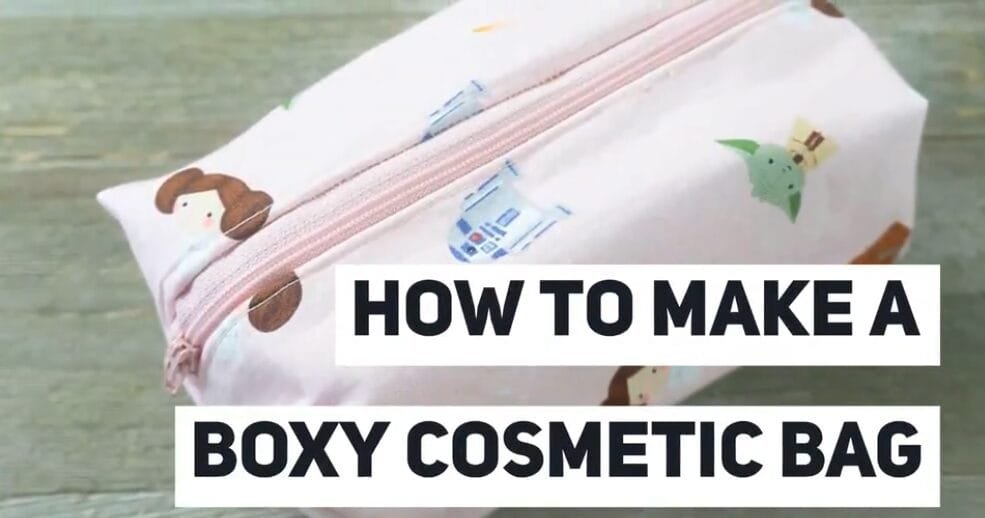
A custom cosmetic bag is more than a practical accessory — it’s a powerful branding tool. Whether you’re a beauty brand, retailer, or corporate gift supplier, a cosmetic bag can carry your logo, showcase your style, and add value to your product line. But how exactly do you go from an idea to a finished product ready for market?
This guide explains the step-by-step process of making a custom cosmetic bag, from design to full-scale production.
1. Define Your Brand’s Needs
Before production starts, clarify your objectives:
Purpose: Promotional gift, retail product, subscription box, or event giveaway.
Target Audience: Luxury beauty, eco-conscious consumers, or everyday travelers.
Budget and MOQ: Most factories offer flexible options but usually start at 300–500 units.
Pro Tip: A clear brief helps your supplier recommend the best materials and designs for your market.
2. Select Materials and Fabrics
The material sets the tone for quality, durability, and branding:
PU Leather: Premium look, smooth finish, water-resistant.
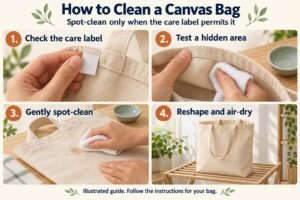
Canvas or Cotton: Eco-friendly, casual, ideal for sustainable brands.
Polyester/Nylon: Lightweight, affordable, versatile for mass promotions.
Transparent PVC/TPU: Modern and waterproof, often used for travel-friendly designs.
3. Decide on Size and Structure
Different markets require different formats:
Small Pouch (15–18cm): Ideal for lipstick or compact items.
Medium Bag (20–25cm): Popular for travel kits and subscription boxes.
Large Organizer (25–30cm+): Multi-compartment bags for professional use.
Additions to consider:
Zipper or Drawstring Closures
Inner Pockets or Brush Holders
Lining (cotton, polyester, waterproof fabric)
4. Add Branding and Custom Features
Your cosmetic bag should represent your brand identity:
Logo Application: Screen printing, heat transfer, embroidery, embossing.
Color Matching: Pantone color customization to align with your brand palette.
Custom Details: Branded zipper pulls, metal tags, or printed lining.
Pro Tip: Simplicity in design often highlights your logo better and appeals to wider audiences.
5. Sampling and Prototype Development
Before mass production, your supplier will provide a sample:
Check material quality, color accuracy, and logo placement.
Adjust sizing or finishing details if needed.
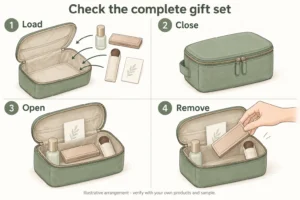
Confirm packaging style (polybag, dust bag, or gift box).
6. Production and Quality Control
Once the sample is approved:
Lead Time: Typically 4–6 weeks depending on order size.
QC Checks: Dimensions, stitching, zippers, and logo alignment are inspected.
Certifications: Factories may provide REACH, CPSIA, or eco-friendly material certifications if required.
7. Packaging and Delivery
Packaging options add value and protection:
Basic: Individual polybags for shipping efficiency.
Premium: Custom boxes, tissue paper, or drawstring pouches for retail or gifting.
Sustainable: Recyclable or compostable materials for eco-conscious brands.
Shipping methods vary: air freight for urgent orders, sea freight for cost efficiency.
Final Thoughts
Designing and producing a custom cosmetic bag doesn’t have to be complicated. By working with an experienced manufacturer, you can create a product that:
Represents your brand identity
Meets your customers’ needs
Adds long-term marketing value
FAQs About Custom Cosmetic Bag Production
Q1: What is the typical MOQ for custom cosmetic bags?
Most factories require 300–500 units, but it may vary depending on design and materials.
Q2: How long does the production process take?
On average, 4–8 weeks including design, sampling, and mass production.
Q3: Can I use my own design or logo?
Yes. Factories can produce fully customized designs with your brand logo and colors.