When sourcing home organization or travel products, the term “Oxford Fabric” frequently appears in quotes and specifications. But what exactly is Oxford fabric, and why is it the gold standard for storage boxes, laundry baskets, and travel bags?
This guide explains the composition, manufacturing process, advantages, and grades of Oxford fabric, along with essential insights for buyers planning bulk orders.
What is Oxford Fabric?
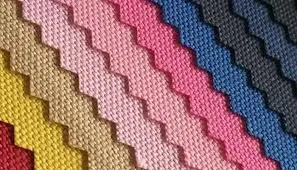
Oxford fabric is a woven material, typically made from polyester or nylon yarns, characterized by its distinct checkerboard texture. Originally developed in the UK for durable shirting, it has evolved into a powerhouse material across multiple industries due to its high strength, versatility, and cost-effectiveness.

How Oxford Fabric is Made
The fabric utilizes a plain or basket weave with relatively thick warp and weft yarns combined to enhance durability. While high-end outdoor gear may use nylon, the majority of Oxford fabric used in storage products is made from polyester.
Common Coating Types:
- PU Coating: Lightweight, waterproof, and flexible.
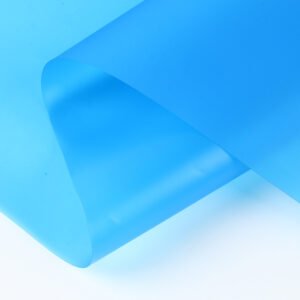
- PVC Coating: Thicker and more durable; ideal for heavy-duty storage and laundry bags.
- TPU Lamination: A high-end, waterproof, and eco-friendly alternative.
Factory Insight: In storage manufacturing, 600D Oxford fabric with a PU coating is the most common combination, offering a perfect balance of strength and a professional finish.
Key Features of Oxford Fabric
-
Durability: Highly resistant to abrasion and wear, making it perfect for high-frequency use.
-
Water Resistance: Significantly enhanced through PU or PVC coatings.
-
Low Maintenance: The smooth surface naturally repels dust and stains.
-
Versatility: Supports printing, dyeing, and various laminations.
-
Affordability: More economical than canvas or premium nylon for large-scale production.
Oxford Fabric Grades and Applications
| Fabric Type | General GSM | Application | Features |
|---|---|---|---|
| 210D Oxford Cloth | 110–130 grams per square meter | Lightweight protective covers, drawstring bags | Smooth texture, elastic |
| 300D Oxford Cloth | 150–180 grams per square meter | Cosmetic bags, travel storage bags | A balance between strength and flexibility |
| 600DOxford Cloth | 200–250 grams per square meter | Storage boxes, laundry bags, backpacksSturdy, well-structured, durable | |
| 900DOxford Cloth | 300grams per square meter | Heavy-duty equipment bags | Maximum abrasion resistance |
Buyer Tip: For structured storage bins or travel luggage, choose 600D Oxford. It provides the best return on investment regarding cost, structural rigidity, and visual appeal.
Applications in Home & Travel Gear
Oxford fabric has become the manufacturing standard due to its reliability:
-
Storage Boxes: Excellent shape retention, mildew resistance, and supports custom branding.
-
Laundry Bags: Waterproof coatings prevent odor and moisture buildup.
-
Travel Organizers: Lightweight, rip-stop, and easy to clean for frequent travelers.
Expert Insight: Many buyers are shifting toward Cationic Oxford fabric (heathered texture) to elevate product aesthetics without a significant increase in material costs.

Compliance and Sourcing Considerations
-
Certifications: US and EU markets typically require compliance with REACH, OEKO-TEX, and Prop 65 standards.
-
MOQ: Usually 500–1000 units per SKU, depending on the specific color and coating requirements.
-
Lead Time: Average of 35–45 days following sample approval.
-
Quality Inspection: Always request coating adhesion and color fastness tests before mass production begins.
Future Trends: Sustainability and Tech
-
Recycled Polyester (rPET): Made from plastic bottles; aligns with global sustainability goals.
-
Digital Printing: Increasing use of sublimation for high-definition custom branding.
-
Functional Coatings: Anti-bacterial, flame-retardant, and anti-odor coatings are trending in the retail sector.
Conclusion
Oxford fabric is a durable, versatile woven material—typically polyester-based—that serves as the backbone of the storage and travel industry. For B2B buyers, its combination of strength, cost-efficiency, and adaptability makes it one of the most reliable fabrics for mass production.
By selecting the right denier and coating, you can balance aesthetics, performance, and price point to ensure your product meets both retail standards and customer expectations.
Interested in sourcing high-quality Oxford fabric storage or travel solutions? to request samples, technical specifications, and our factory certifications.