A custom cosmetic bag is more than a practical accessory — it’s a powerful branding tool. Whether you’re a beauty brand, retailer, or corporate gift supplier, a cosmetic bag can carry your logo, showcase your style, and add value to your product line. But how exactly do you go from an idea to a finished product ready for market?
This guide explains the step-by-step process of making a custom cosmetic bag, from design to full-scale production.
1. Define Your Brand’s Needs
Before production starts, clarify your objectives:
-
Purpose: Promotional gift, retail product, subscription box, or event giveaway.
-
Target Audience: Luxury beauty, eco-conscious consumers, or everyday travelers.
-
Budget and MOQ: Most factories offer flexible options but usually start at 300–500 units.
Pro Tip: A clear brief helps your supplier recommend the best materials and designs for your market.
2. Select Materials and Fabrics
The material sets the tone for quality, durability, and branding:
-
PU Leather: Premium look, smooth finish, water-resistant.
-
Canvas or Cotton: Eco-friendly, casual, ideal for sustainable brands.
-
Polyester/Nylon: Lightweight, affordable, versatile for mass promotions.
-
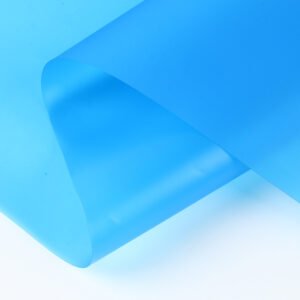
Transparent PVC/TPU: Modern and waterproof, often used for travel-friendly designs.
3. Decide on Size and Structure
Different markets require different formats:
-
Small Pouch (15–18cm): Ideal for lipstick or compact items.
-
Medium Bag (20–25cm): Popular for travel kits and subscription boxes.
-
Large Organizer (25–30cm+): Multi-compartment bags for professional use.
Additions to consider:
-
Zipper or Drawstring Closures
-
Inner Pockets or Brush Holders
-
Lining (cotton, polyester, waterproof fabric)
4. Add Branding and Custom Features
Your cosmetic bag should represent your brand identity:
-
Logo Application: Screen printing, heat transfer, embroidery, embossing.
-
Color Matching: Pantone color customization to align with your brand palette.
-
Custom Details: Branded zipper pulls, metal tags, or printed lining.
Pro Tip: Simplicity in design often highlights your logo better and appeals to wider audiences.
5. Sampling and Prototype Development
Before mass production, your supplier will provide a sample:
-
Check material quality, color accuracy, and logo placement.
-
Adjust sizing or finishing details if needed.
-
Confirm packaging style (polybag, dust bag, or gift box).
6. Production and Quality Control
Once the sample is approved:
-
Lead Time: Typically 4–6 weeks depending on order size.
-
QC Checks: Dimensions, stitching, zippers, and logo alignment are inspected.
-
Certifications: Factories may provide REACH, CPSIA, or eco-friendly material certifications if required.
7. Packaging and Delivery
Packaging options add value and protection:
-
Basic: Individual polybags for shipping efficiency.
-
Premium: Custom boxes, tissue paper, or drawstring pouches for retail or gifting.
-
Sustainable: Recyclable or compostable materials for eco-conscious brands.
Shipping methods vary: air freight for urgent orders, sea freight for cost efficiency.
Final Thoughts
Designing and producing a custom cosmetic bag doesn’t have to be complicated. By working with an experienced manufacturer, you can create a product that:
-
Represents your brand identity
-
Meets your customers’ needs
-
Adds long-term marketing value
FAQs About Custom Cosmetic Bag Production
Q1: What is the typical MOQ for custom cosmetic bags?
Most factories require 300–500 units, but it may vary depending on design and materials.
Q2: How long does the production process take?
On average, 4–8 weeks including design, sampling, and mass production.
Q3: Can I use my own design or logo?
Yes. Factories can produce fully customized designs with your brand logo and colors.