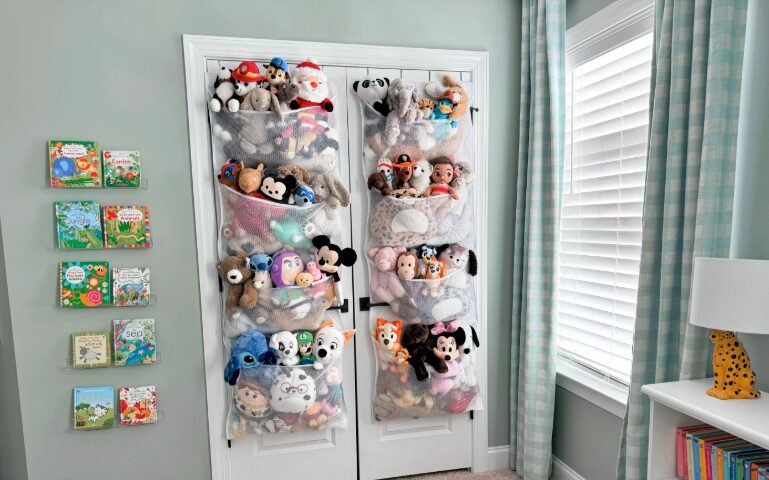
Stuffed animals are more than just toys — they’re often treasured keepsakes, childhood companions, or valuable collectibles. Whether you’re organizing your child’s playroom or preserving a special collection, proper storage is essential to keep them clean, fresh, and in perfect condition.
In this guide, you’ll learn how to store stuffed animals without damaging them, including material-friendly tips, storage options, and maintenance advice.
1. Clean Before You Store
Dust, dirt, and body oils can cause discoloration or attract pests over time.
-
Surface Wash: Use a gentle fabric cleaner or mild soap and a damp cloth for spot cleaning.
-
Machine Wash (if safe): Place the stuffed animal in a mesh laundry bag, wash on a gentle cycle with cold water, and air dry.
-
Dry Completely: Ensure the toy is completely dry before storage to prevent mold or mildew.
Pro Tip: Always check the care label before cleaning.
2. Choose the Right Storage Method
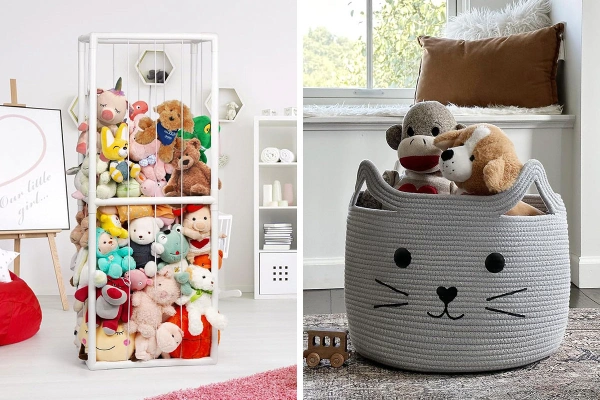
The storage method you choose depends on your space and goals:
-
Lidded Plastic Bins: Dust-proof, moisture-resistant, and stackable.
-
Fabric Storage Bags: Breathable and lightweight, ideal for short-term storage.
-
Display Cases: Perfect for collectible stuffed animals — keeps dust out while showing them off.
-
Under-Bed Storage: Great for seasonal toys or limited space (choose bins with wheels for easy access).
3. Keep Them Dry and Ventilated
Moisture can damage fabrics and stuffing.
-
Use silica gel packets or charcoal moisture absorbers inside storage containers.
-
Avoid storing stuffed animals in damp areas like basements or attics.
-
For long-term storage, choose breathable containers to prevent odor buildup.
4. Protect from Dust, Sunlight, and Pests
-
Dust Covers or Lids: Keep airborne particles off the fabric.
-
UV Protection: Store away from direct sunlight to avoid fading.
-
Pest Prevention: Add cedar blocks or lavender sachets to deter moths and insects.
5. Avoid Crushing or Deforming
Stuffed animals can lose shape if compressed for too long.
-
Don’t overpack bins — allow enough space for each toy.
-
Use tissue paper or acid-free paper to support delicate shapes.
-
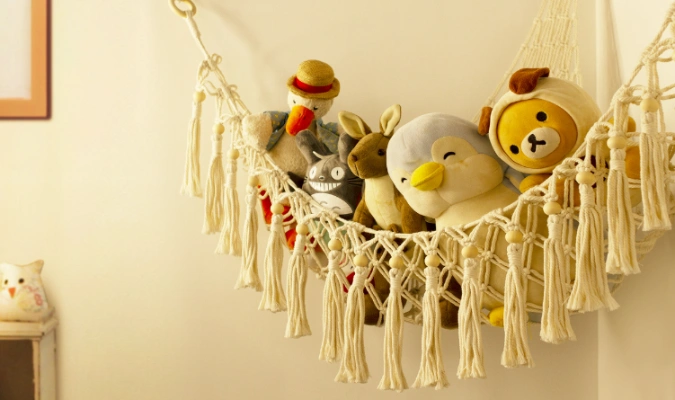
Store large stuffed animals separately or in a hammock-style organizer.
6. Rotate and Refresh Regularly
-
Take stuffed animals out every few months to air them.
-
Rotate displays if you have limited space.
-
Rewash or vacuum with a fabric brush attachment as needed.
FAQs About Stuffed Animal Storage
Q1: Can I vacuum seal stuffed animals?
Not recommended for long-term storage — compression can cause permanent deformation.
Q2: How long can stuffed animals be stored without cleaning?
Ideally, clean them before storage and refresh every 3–6 months.
Q3: Can I store stuffed animals in the attic?
Avoid high-humidity or extreme temperature areas; these can cause fabric damage.
Final Thoughts
By cleaning, choosing the right storage method, and protecting from moisture, sunlight, and pests, you can keep your stuffed animals looking and feeling like new for years to come. Whether they’re childhood favorites or collectible pieces, proper care will preserve both their appearance and sentimental value.