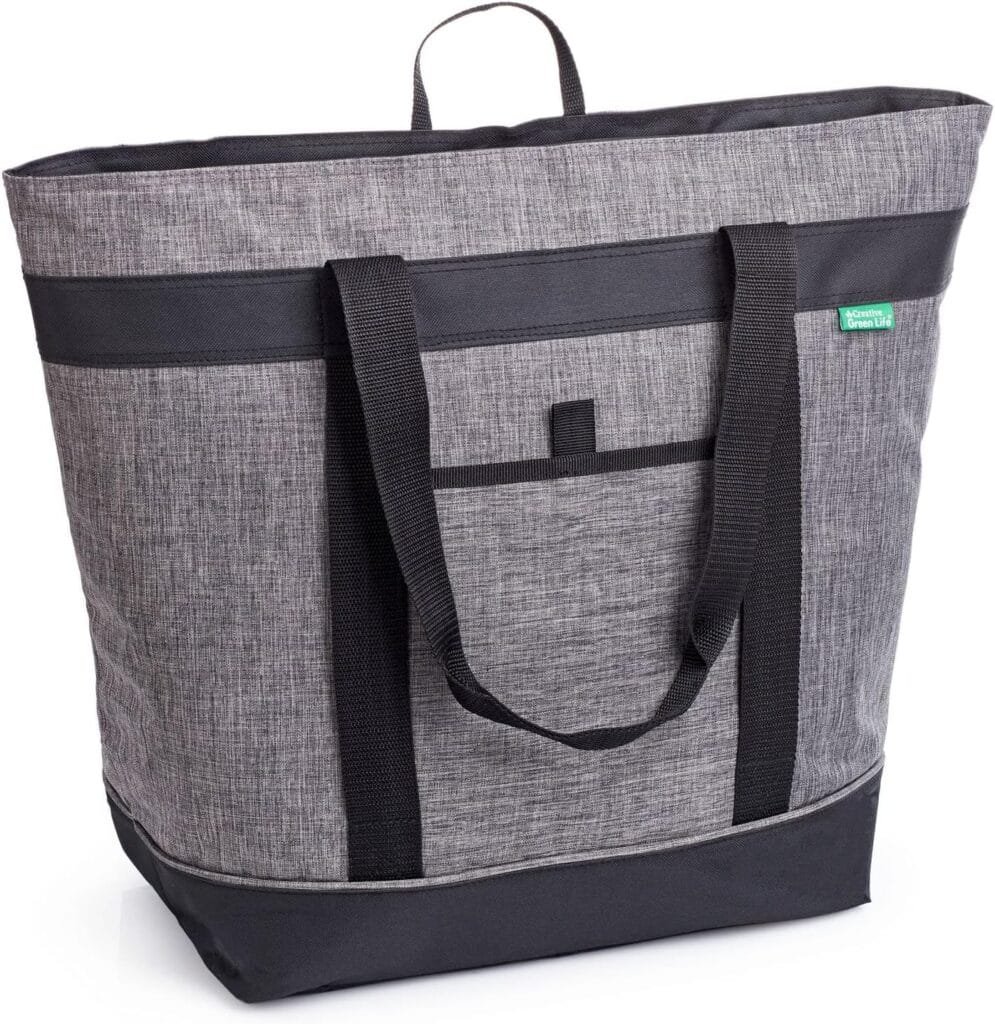
Non-woven vs Polyester Storage Bag Materials: A B2B Buyer’s Complete Guide

For retail buyers, private label brands, and promotional product distributors, storage bags are a high-turnover, low-barrier category with steady demand across home, travel, and gifting segments. But one of the most common sourcing mistakes is choosing the wrong base material: non-woven and polyester bags may look similar at a glance, but they differ dramatically in durability, unit cost, brand perception, and suitable use cases.
Pick the wrong material, and you could face sky-high return rates, negative customer reviews, or overspending on performance you don’t actually need. With 15 years of experience manufacturing storage products for 300+ global B2B clients, we break down the full comparison between non-woven and polyester storage bags from a sourcing perspective — so you can align your material choice with your budget, sales channel, and brand positioning.

What Is a Non-woven Storage Bag?

A non-woven storage bag is made from polypropylene (PP) fibers bonded together through heat and pressure, rather than woven or knitted into fabric. It has a felt-like, matte finish and is typically produced in 70–120 GSM weights.
As a disposable and low-cost material, non-woven fabric is designed for light-duty, short-term use. It is most commonly used for dust covers, promotional giveaways, moving bags, and temporary product packaging, where low unit cost matters more than long-term durability.

What Is a Polyester Storage Bag?

A polyester storage bag is made from woven polyester fabric — most commonly 300D or 600D Oxford polyester — created by interlacing yarns into a strong, flexible textile. Higher denier (D) ratings indicate thicker, more durable fabric.
Polyester storage bags are built for repeated, long-term use. They can be coated with PEVA or PU for full waterproofing, reinforced with bar-tack stitching for heavy loads, and customized with premium branding. They are the standard material for retail-grade home storage, travel organizers, and private label product lines.

Side-by-Side Material Comparison for B2B Buyers

The table below compares the two materials across the metrics that matter most for sourcing decisions: cost, durability,
FactorNon-woven Storage BagsPolyester Storage Bags
Typical FOB Unit Cost$0.30 – $1.20 per piece$1.20 – $4.50 per piece
Durability & Lifespan3–6 months of light use; tears easily under load2–5 years of regular use; tear and abrasion resistant
Water ResistanceVery low; absorbs moisture and breaks down when wetExcellent with PEVA/PU coating; fully water-repellent
WeightUltra-lightweightMedium weight
Print & Branding QualityGood for simple 1–2 color screen prints; fades with useSupports screen print, embroidery, heat transfer; long-lasting
Eco ProfileMostly single-use; limited recyclabilityReusable for years; RPET recycled options available
WashabilityNot washable; wipes clean onlyMachine washable; easy to maintain
Typical MOQ1,000 units per style300–500 units for private label
Retail Return Rate8–12% (tearing, breakage complaints)1–3% (very few quality issues)
Best Use CasePromotional giveaways, dust covers, single-use moving bagsRetail SKUs, private label lines, heavy-duty home/travel storage

Key Differences Explained in Depth

1. Durability & Load Capacity

The single biggest difference is structural strength. Non-woven fabric has no woven yarn structure, so it tears easily when loaded with heavy items or pulled from the handles. It is suitable only for light items like clothing, linens, or empty product packaging.
Polyester fabric, by contrast, has high tensile strength. A standard 600D Oxford polyester bag can hold 10–15 kg without tearing, and reinforced models can handle even more. For products sold to end consumers for home or travel use, polyester delivers the durability buyers expect.

2. Cost: Upfront Price vs. Total Value

Non-woven bags are significantly cheaper upfront — often 50–70% less per unit than polyester. This makes them attractive for large-batch promotional orders where cost per impression is the top priority.
However, for retail and private label brands, polyester delivers better total value:
  • Lower return rates reduce customer service costs and protect brand reputation
  • Longer product lifespan leads to better reviews and repeat purchases
  • Higher perceived value supports 2–3x higher retail price points

3. Waterproofing & Moisture Performance

Non-woven fabric is porous and absorbs water. It will weaken and tear if exposed to rain, damp basements, or wet items. It is unsuitable for any use case where moisture resistance is expected.
Polyester is naturally water-resistant, and with a PEVA or PU lining it becomes fully waterproof. This makes it suitable for bathroom storage, travel laundry bags, basement storage, and outdoor use — all high-demand use cases for retail consumers.

4. Customization & Branding

Both materials support logo printing, but the quality and durability differ:
  • Non-woven: Best for simple screen-printed logos in 1–2 colors. Print can crack or fade with handling. Suitable for short-term promotional use where the logo only needs to last through an event.
  • Polyester: Supports screen print, embroidery, heat transfer, and full-color sublimation. Branding stays crisp for years. Embroidery and woven labels add a premium feel that justifies higher retail prices.

5. Environmental Impact

The environmental comparison depends entirely on use case:
  • For single-use applications (event giveaways, one-time moving bags), non-woven uses less raw material per unit but is rarely recycled and ends up in landfills quickly.
  • For repeated use, polyester (especially GRS-certified RPET recycled polyester) is far more sustainable. A single polyester bag can replace dozens of disposable bags over its lifespan.
For EU and US retail buyers facing sustainability regulations and consumer demand, RPET polyester is the lower-risk, more marketable choice.

Which Material Should You Source?

There is no universal “better” material — the right choice depends entirely on your use case, sales channel, and brand goals.

Choose Non-woven Storage Bags If:

  • You’re ordering promotional giveaways, event swag, or trade show handouts
  • You need low-cost dust covers for apparel, bedding, or furniture products
  • The product will be used once or for a very short period
  • Unit cost is your top priority and durability is secondary
  • You need very large order quantities (10,000+ units)
Non-woven is the most cost-effective choice for temporary, low-expectation use cases. Common buyers include promotional product distributors, apparel brands, furniture retailers, and moving companies.

Choose Polyester Storage Bags If:

  • You’re building a private label product line for retail or e-commerce
  • The bag will be sold as a standalone SKU for home or travel use
  • You need waterproofing, load capacity, and long-term durability
  • You want low return rates and strong customer reviews
  • You plan to market sustainability with RPET recycled material
Polyester is the standard for any product sold directly to consumers for ongoing use. Common buyers include home goods retailers, D2C e-commerce brands, travel gear companies, and premium corporate gifting programs.

Hybrid Sourcing Strategy

Many mature brands use both materials strategically:
  • Non-woven bags for packaging, free gifts with purchase, and low-cost add-ons
  • Polyester bags for core retail SKUs and premium product lines
This approach keeps costs low for auxiliary items while maintaining quality for revenue-generating products.

Sourcing Best Practices

  1. Match GSM / Denier to your use case

    For non-woven, avoid anything below 70 GSM — it will tear too easily. 80–100 GSM is the sweet spot for promotional use. For polyester, 300D works for light-duty storage, and 600D Oxford is the retail standard for general-purpose bags.

  2. Test physical samples before bulk ordering

    Always request production-quality samples and perform basic tests: load with weight, pull on handles, spray with water to verify water resistance. What looks good in a photo may fail in real use.

  3. Confirm compliance for your target market

    Both materials require REACH compliance for the EU and California Prop 65 compliance for the US. For eco-labeled products, ensure RPET polyester comes with a valid GRS certificate.

  4. Don’t over-spec for promotional use

    If the bag will only be used once at an event, there is no need to pay for heavy-duty polyester. Match material performance to actual user needs to maximize margins.

Frequently Asked Questions

  1. Which material is cheaper to source?

    Non-woven storage bags are significantly cheaper upfront, usually 50–70% less per unit than polyester. For long-term retail products, however, polyester delivers better value due to lower return rates and higher price potential.

  2. Are non-woven storage bags waterproof?

    No. Non-woven fabric is porous and will absorb moisture, weakening over time. If you need water resistance, choose polyester with a PEVA or PU coating.

  3. Can you print custom logos on both materials?

    Yes. Non-woven works best for simple screen-printed logos. Polyester supports higher-quality options including embroidery, full-color heat transfer, and sublimation for more durable, premium branding.

  4. What are the typical MOQs?

    Non-woven bags generally have higher minimums, starting at 1,000 units per style. Polyester storage bags for private label typically start at 300–500 units for standard styles with custom branding.

  5. Which is more eco-friendly?

    For repeated use, RPET recycled polyester is far more sustainable, as one bag replaces many disposable alternatives. Non-woven bags are mostly single-use and have limited recycling options.


Final Thoughts

Non-woven and polyester storage bags serve entirely different purposes, and the best choice is the one that matches your actual use case. Non-woven excels at low-cost, short-term applications like promotions and packaging, while polyester is the right foundation for retail-quality, private label storage products built for long-term use.
The biggest mistake buyers make is choosing non-woven for retail products to save a small amount upfront — only to deal with high return rates and damaged brand reputation later. Align your material choice with how the end user will actually use the product, and you’ll maximize both margins and customer satisfaction.

Ready to Source Storage Bags for Your Brand?

We manufacture both non-woven and polyester storage bags for retail, promotional, and private label clients worldwide, with full customization options, compliance support, and flexible MOQs. Share your use case, target quantity, and budget, and our team will recommend the optimal material and send a transparent, detailed quote within 24 hours.

Published by the Great Shine Product Engineering Team | 15+ years of OEM/ODM expertise in storage and travel goods, serving 300+ brands across 50+ countries.

Table of Contents

Buyer FAQs: All You Need to Know

Q1.Do you offer OEM or logo customization?

Yes, we provide full OEM and ODM services, including custom logo printing, packaging, materials, and sizing.

Our MOQ is based on design complexity. Most orders start from 500 pcs.

Absolutely. Samples are available and can be customized if needed. Sample fees are refundable once bulk order is confirmed.

Standard lead time: 30–45 days after deposit and sample approval.

We support sea freight, air freight, and express delivery (e.g., DHL, FedEx). We’ll recommend the most cost-effective option based on your location and order size.

Request A Free Quote

contact us to get latest product catalog

Great Shine OEM/ODM storage bags and organizers manufacturer logo
Great Shine contact QR code for storage product wholesale inquiries

REQUEST A FREE QUOTE

contact us to get latest product catalog