When comparing OEM vs ODM fabric storage bins, begin with the design you have. A finished specification, a catalog reference and a rough sketch each leave the supplier with a different amount of development work.
Quick answer
OEM generally suits a project built around your design and specifications. ODM generally suits one that draws on the supplier’s design work, including an existing product adapted for your brand. If you have only a sketch or a functional goal, agree on who will turn it into a production specification before choosing either route.
Changing a logo, color or dimension does not settle the question by itself. Ask the supplier to describe the work included, the approvals required and the terms for using the finished design.
What OEM and ODM mean in a fabric storage bin project
OEM stands for original equipment manufacturer; ODM stands for original design manufacturer. In custom product sourcing, the distinction concerns the source of the design and the supplier’s development role. The terms alone tell you little about a particular order’s price, quality or delivery schedule.
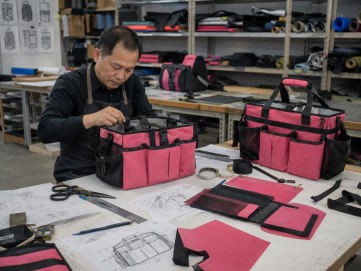
With an OEM project, the buyer typically brings the design and requirements. The supplier reviews whether it can manufacture the bin as specified and identifies details that need adjustment or clarification. A drawing may still need seam allowances, a cutting pattern or a practical method for attaching the handles.
With an ODM project, the supplier contributes the underlying design. This can mean adapting an existing collapsible storage bin, or developing a design around the buyer’s brief. ODM does not always mean selecting an unchanged item from a catalog.
Suppliers use these terms differently, especially when both teams contribute to development. Ask each supplier to list which parts of the design already exist and which it must develop. Great Shine’s OEM, ODM and private label service overview provides a starting point for discussing that scope.
Where private label fits
Private label describes selling a product under your brand. It does not specify who designed the product or how much development is involved. A private label range might use a supplier’s existing bins, your own designs, or a combination of both.
Keep the branding brief separate from the construction brief. A sewn label and a retail sleeve are different tasks from redesigning the base, lid or folding system, even when they appear in the same quotation.
Which route fits your project? Three sourcing examples
The examples below illustrate purchasing decisions. They are hypothetical briefs, not Great Shine customer projects or confirmed service commitments.
An existing bin with new colors and branding
Suppose an existing fabric bin already fits the shelves your customers use. You want your brand’s colors, a woven label and different retail packaging, while keeping the dimensions and construction.
An adaptation of the supplier’s design is a sensible starting point. Request a sample that shows the chosen fabric and branding together. A logo proof alone will not show how the label sits against a seam or how the finished color looks on that textile.
Ask whether the same base design is available to other buyers. If your distinction depends on the print or packaging, identify those elements separately when discussing permitted use. Do not infer exclusivity from the presence of your logo.
A familiar style with a different size or structure
Now suppose you like a supplier’s bin, but need a deeper version with a lid and different handles. The appearance may remain familiar, while the construction needs further work.
Ask the supplier to review the support panels, handle attachment and folding sequence. A change in depth may also affect the folded package. Request updated package measurements before comparing freight estimates based on the original model.
This project could involve a substantial adaptation of a supplier design or a buyer-directed design. Resolve that through a written development scope. The sample should demonstrate the changed structure, not just the new color.
An original design with a detailed specification
If your team has developed a coordinated range with defined dimensions, panel shapes, material requirements and construction details, an OEM discussion is appropriate. Give the supplier a versioned specification and distinguish mandatory features from details open to revision.
Ask the supplier to record any proposed changes before making the approval sample. If it recommends a different handle position or board arrangement, review how that change affects use and appearance. Keep the approved revision with the sample so production does not rely on an older drawing.
If the original design is still only a concept sketch, first agree who will complete the missing development work. Calling the project OEM does not make an incomplete specification ready for production.
Which storage bin details change the development work?

Check how the bin fits its intended space and how customers will handle it. Those requirements help you judge whether to keep an existing construction or request a different one.
Finished size and shelf fit
Give the required assembled dimensions and identify whether they describe the outside of the bin or its usable interior. If the bin must fit a particular shelf opening, provide that opening as well.
Check the space needed to pull the bin out and open its lid. A product that fits inside a cubby can still be awkward to use if the handle is difficult to reach. Ask the supplier to propose dimensional tolerances for approval, rather than assuming every finished piece will exactly match the nominal size.
Fabric, lining and support panels
Specify the intended contents and how the bin will be used. Folded clothing on a shelf and items carried around the house create different evaluation needs.
Request a clear description of the outer fabric, lining and support panels. Ask whether the panels are removable and whether any part limits cleaning. Review the assembled sample for shape, panel fit and exposed edges. A fabric swatch cannot demonstrate those features.
If you are considering a fabric storage box with a lid, inspect the lid attachment and the clearance needed to open it. Confirm whether the lid stays attached when the bin folds flat.
Handles and intended handling
Explain whether users will mainly pull the bin from a shelf or carry it while full. Specify any load claim you intend to place on packaging so the supplier can discuss an appropriate evaluation method.
Check handle placement, grip space and attachment on the sample. If you require a load test, agree on the load, handling method, number of repetitions and acceptance criteria before testing. Do not treat a material description as proof of the finished bin’s carrying capacity.
Folding and packaging
Ask to see the full sequence from packed flat to assembled and back again. Check where removable panels sit in the package and whether the customer needs instructions.
Review the packed sample with its retail packaging. Record the folded product dimensions, retail pack size, units per shipping carton and carton measurements as separate items. This gives suppliers a common basis for quoting and prevents confusion between the size of the bin in use and the size of the shipment.
How should you compare cost, MOQ and timing?

Compare quotations for the same specification and approval scope. An OEM quote for a new construction and an ODM quote for a standard model may cover different work, even if the product photos look similar.
Ask suppliers to separate development or sample charges from bulk unit pricing. Identify packaging costs and any separately charged tooling or setup work. Clarify what a sample fee includes, particularly if several revisions are possible.
For MOQ, ask which component sets the minimum. Fabric sourcing, custom colors, printed packaging and special parts may each have different order requirements. Also confirm whether the stated quantity applies per size, per color or to the whole order.
For timing, request the sequence of approvals and production steps. Ask when the quoted lead time begins and what happens if you change the fabric or structure after sample approval. An existing design can reduce development work, but material availability and revisions still affect the schedule.
If two quotations differ substantially, compare the support material, handle construction and packaging before assuming one supplier is simply cheaper. Keep the approved specification attached to the final quotation.
What should you agree about designs and development?
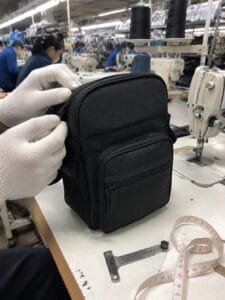
Before paying for development, request written terms for the design, files and any tooling involved. OEM and ODM labels are not a substitute for that discussion.
Ask the supplier to address:
- Which design elements come from your team and which already belong to the supplier or another party?
- What drawings, patterns and specifications will you receive?
- What does the development payment cover, and how are later revisions charged?
- May the supplier offer the base design or modified version to other buyers?
- If exclusivity is offered, which features, markets and period does it cover?
- If tooling is required, who pays for it, stores it and may use it?
For a project that depends on exclusive design rights, have the proposed terms reviewed by a qualified adviser for the relevant market. This is separate from approving the physical sample.
Keep each agreed change in a revision record. A short note identifying the changed dimension or component, approval date and responsible person is more useful than scattered messages saying that a sample looks acceptable.
How do you approve samples and keep repeat orders consistent?
Approve a defined sample against a defined specification. Record anything the sample does not yet represent, such as a temporary fabric color or packaging that is still awaiting artwork.
Use the sample review to check the intended use: place it in the target shelf opening, assemble and fold it, inspect the handles, and review the lid if included. Test only against agreed methods and criteria; a quick handling check should not become an unsupported durability claim.
Before bulk production, settle the finished measurements, material references, construction details and packaging artwork. Specify the inspection points and acceptable variations. Decide how the supplier should request approval for a material substitution or other change.
For repeat orders, reference the approved specification version and retained sample. Ask the supplier to flag changes in materials or components before production. A matching product name or SKU alone does not confirm that the construction is unchanged.
What to include in your first RFQ
In your request for quotation, distinguish approved requirements from details you want help developing. Include:
- A reference product or your own design, with an explanation of how it may be used.
- Intended contents, shelf fit and required assembled dimensions.
- Features to keep and features to change, including the lid, handles and support panels.
- Material preferences, color references and branding artwork, where available.
- Order quantity by size and color, target market and selling channel.
- Retail packaging needs, shipment requirements and target delivery date.
- Sample approval requirements and any design exclusivity you want to discuss.
If you have not chosen a support material, say so and describe the result you need. This gives the supplier a useful development question without suggesting that an unspecified part is already approved.
Frequently asked questions
Does adding a logo make a storage bin an OEM product?
A logo identifies the brand, but it does not establish who designed the bin. A supplier-designed product with your label may be described as ODM or private label. Ask for the design and customization scope in writing.
Is ODM always cheaper than OEM?
Using an existing design may reduce development work, while custom materials or packaging can still add cost. Either route can be more expensive for a particular brief. Compare matching specifications and separate development charges from bulk prices.
Can I start with an existing bin and develop an exclusive version later?
You can propose that approach, but the supplier must confirm feasibility and terms. Identify the parts you want to change and discuss what exclusivity would cover before commissioning the revised design.
Is a competitor’s product photo enough for a quotation?
A photo can communicate a style or function, but it leaves dimensions, internal support and construction unclear. Explain which features you need and supply your own requirements. Do not assume a reference photo gives permission to reproduce the design.
Which route is better for a small first order?
Start by asking what quantities are feasible for an existing construction and available materials. A standard base may reduce the work required, but neither OEM nor ODM guarantees a low MOQ. Confirm the requirement for your exact combination of size, color and packaging.
Discuss your fabric storage bin project with Great Shine
Review Great Shine’s custom fabric storage boxes and bins to identify a starting structure. Note what already suits your product range and what needs to change.
Then send Great Shine your project brief with the reference style or drawing, dimensions, quantities and packaging needs. Ask for a proposed development scope, sample plan and quotation basis so you can assess whether adapting an existing design or manufacturing your own is the better fit.