By Grace Ji, Sales Director at Great Shine · Updated July 2026
If you’re a category buyer sourcing storage bags from China, you’ve probably had this conversation with your director more than once:
“Why did the last batch come in 8% below spec on stitching density?”
“Why is lead time slipping again?”
“Why did customs hold this shipment for a week?”
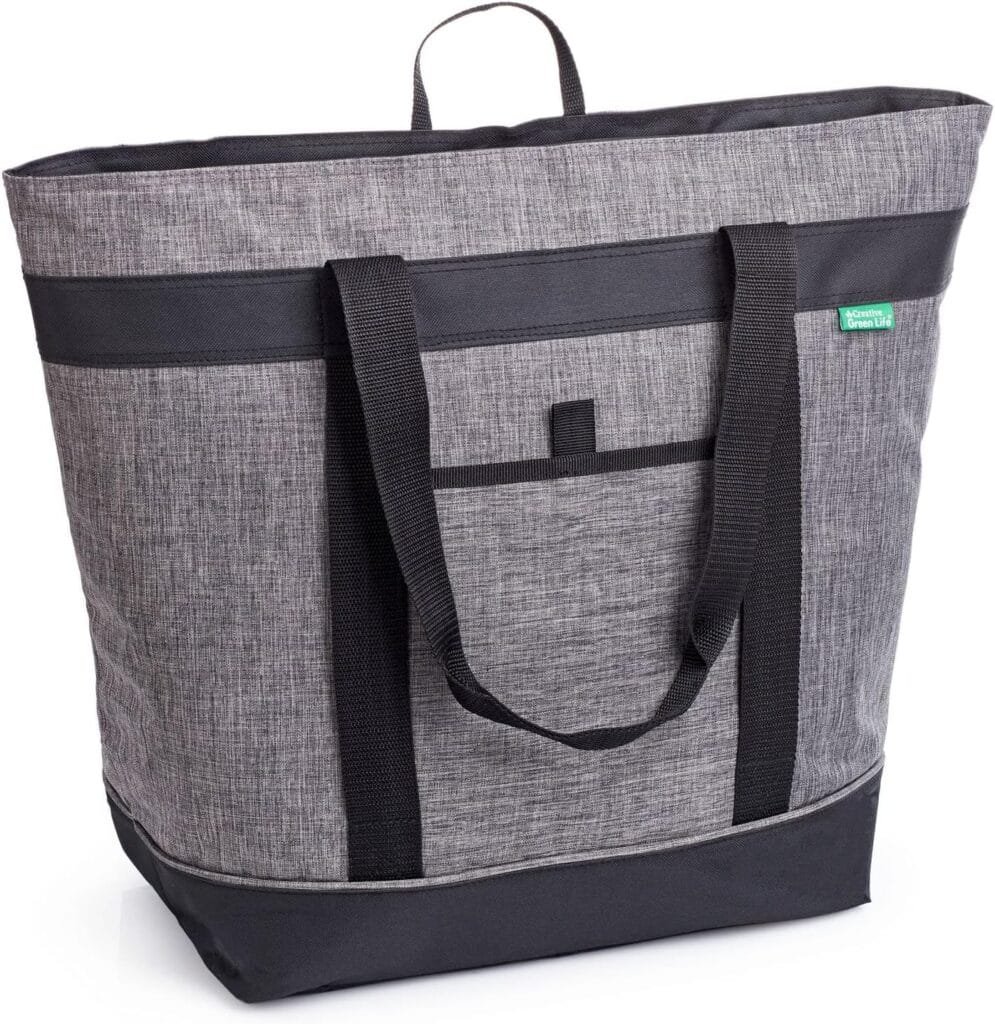
Sourcing storage bags looks simple on the surface. Fabric, cutting, sewing, packing — how hard can it be? But after 16 years running an OEM factory that supplies retailers like B&M, Rossmann, and Lidl, I can tell you the difference between a good supplier and a costly mistake is rarely about price. It’s about the 12 things most buyers forget to check before they sign.
Here’s the field-tested checklist I share with new procurement teams. Use it. It has probably saved my clients seven figures in avoided returns.
1. Confirm They Actually Own the Factory
The single biggest mistake I see junior buyers make: assuming the company they’re emailing is the company making the bag.
More than half of “manufacturers” on Alibaba are actually trading companies with a decent website and no production line. They quote you 15% higher, add zero value, and disappear when your zipper starts failing at 2,000 open-close cycles.
How to verify:
- Ask for the factory’s business license (营业执照). It will list “manufacturing” (生产) in the business scope. Trading companies only have “wholesale” or “import/export.”
- Ask for photos of their production floor with today’s date visible on a whiteboard.
- Even better: ask for a live video walkthrough on WeChat or Zoom. A real factory will do this in 30 minutes. A trader will make excuses.
2. Match Their Certification Portfolio to Your Retail Standards
If you’re supplying European retail chains, you need BSCI. If you’re supplying US retailers, you probably need SEDEX SMETA. If you’re doing children’s products, you need OEKO-TEX and CPSIA. If you’re touching food-contact items, you need FDA and LFGB.
Do not accept a scanned certificate as proof. Ask for the auditor name and audit date, then verify directly through the amfori BSCI portal, SEDEX member search, or the certification body’s website. I have seen forged certificates so convincing that only the QR code lookup revealed them.
A legitimate supplier will hand you three things without hesitation:
- Latest BSCI audit report (may require NDA)
- ISO 9001:2015 certificate with valid dates
- SEDEX Member ID for independent verification
If they hesitate on any of these, walk away.
3. Test Their AQL Sampling Discipline
AQL (Acceptable Quality Level) following ISO 2859-1 is the international standard for statistical inspection. Any factory serving Western retail should be doing AQL 2.5 (General Inspection Level II) as a minimum.
Ask this exact question:
“What’s your AQL sampling plan for a 10,000-piece order, and can you share a redacted example inspection report from a recent shipment?”
A quality-focused factory will answer within a minute and email you the report. A factory that stalls, deflects to “we do 100% inspection” (impossible on volume), or asks you to explain what AQL means — cross them off the list.
4. Verify the Real Production Capacity
MOQ 500 sounds friendly. But what happens when you scale to 50,000 pieces per SKU for a Q4 program?
I’ve seen factories with a legitimate 500 MOQ but a hard ceiling around 5,000 pieces per month because they only have two production lines. They’ll take your 50k order, then subcontract 45k to a factory next door with zero quality oversight. You get burned on the second shipment.
Ask:
- How many production lines do you have dedicated to this product category?
- What’s your realistic monthly output for my SKU type?
- If a rush order came in tomorrow for 20k pieces in 30 days, could you take it without subcontracting?
Genuine answers include real numbers. Vague answers (“we can handle it”) are red flags.
5. Understand Their Real Lead Time (Not the Website Version)
Standard websites promise 30-45 days. Reality often looks different:
That’s 40–75 days from PO to shipment, not the “30 days” the website advertises. Ask for a lead-time breakdown by phase. A supplier who can’t give you one has never actually planned a shipment.
6. Pressure-Test the Sample Process
Sampling is where suppliers reveal their true colors. Send a competitor sample and a spec sheet, then observe:
- Speed: Does the sample arrive in 5–7 days or 3 weeks?
- Accuracy: Are the dimensions within ±0.5cm? Is the color match within Delta-E 1.5?
- Communication: Do they proactively flag issues (“your reference webbing is 25mm but our recommendation is 30mm for durability”) or just execute silently?
- Revision willingness: Are they willing to do 2–3 free revisions?
A supplier who nails the sample process at zero cost is telling you they’ll nail the bulk order too. A supplier who charges $200 per sample and takes 3 weeks is not the factory you want on a Q4 launch schedule.
7. Ask for a Full Material Cost Breakdown
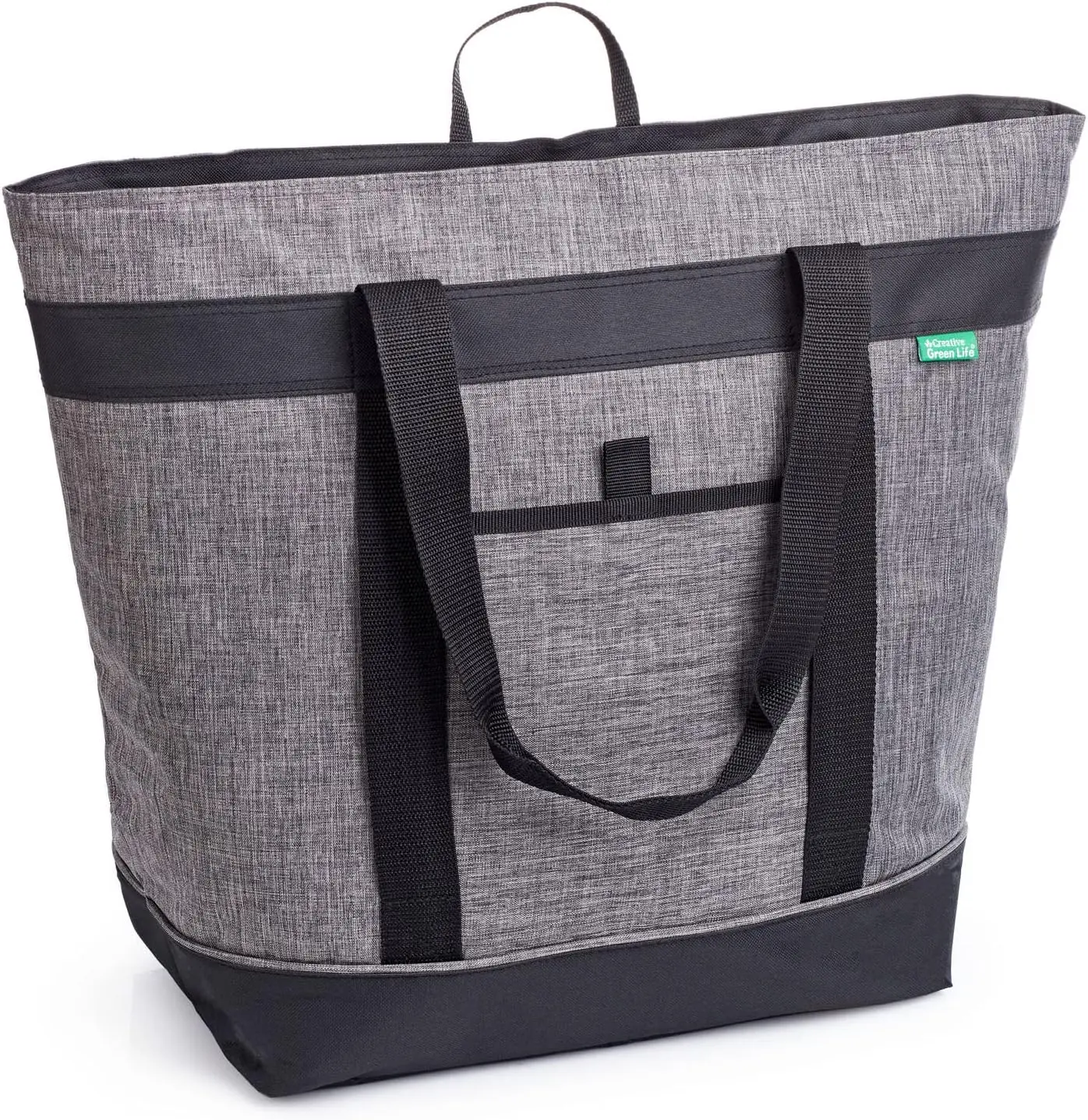
Any experienced factory will provide a transparent cost sheet on request:
- Fabric cost per meter × meters per bag
- Accessory cost (zipper, buckle, webbing, label)
- Labor cost per piece
- Overhead + packing
- Factory margin (usually 8–15%)
- Total FOB unit price
If a supplier refuses to share this breakdown, they’re either hiding a subcontracting arrangement or padding their margin heavily. Neither is what you want.
8. Confirm Their Compliance Documentation Muscle
For every shipment, you need:
- Commercial invoice + packing list (bilingual, HS codes pre-classified)
- Certificate of Origin (Form E for China–ASEAN, Form A for GSP countries, Form F for China–Chile)
- Test reports (fabric composition, harmful substance testing, fastness)
- Fumigation certificate for wooden or bamboo products
- Barcode compliance for FBA or retail
A factory that consistently ships incomplete documentation will cost you 3–7 days of customs delay per shipment. Multiply that by 24 shipments per year and you’ve lost weeks of shelf time.
9. Interview Their Sales Team
You will spend more time emailing your account manager than talking to your own family for the next 12 months. Test their communication in the first month:
- Do they reply within 24 hours (12 during your working window)?
- Can they interpret technical specs correctly the first time?
- Do they raise potential issues proactively, or wait for you to notice?
- Do they escalate quickly when something goes wrong?
A supplier with a rock-solid factory but a weak sales team will bleed you daily on friction costs. It’s not worth it.
10. Check Their Real Client Portfolio (Not Just the Logo Wall)
Every factory has a “trusted by” section. Most of them are inflated.
The proof is in specifics. Ask:
“Can you share a redacted purchase order or spec sheet from a similar retail program you’ve done in the last 12 months?”
Real suppliers will send you (with buyer names blanked) a genuine PO showing scale, unit price, spec detail, and delivery terms. Fake suppliers will send a generic marketing PDF or dodge the question.
11. Test Their Cash Flow Discipline
Ask them to accept your standard payment terms (usually 30% T/T deposit + 70% against BL copy). Suppliers who insist on 100% upfront are often working paycheck-to-paycheck and can’t fund raw material purchases without your deposit. That’s a risk indicator.
Suppliers who offer generous terms (“net 90! LC at sight!”) without knowing you well are either desperate or planning to sell your PO to a competitor. Both are red flags.
Healthy terms for a first-time buyer:
- 30% T/T deposit on PO confirmation
- 70% T/T balance against BL copy or third-party inspection pass
12. Do a Virtual Factory Audit Before First PO
Before you place your first purchase order over $20,000, insist on a 30-minute video walkthrough:
- Show me the entrance and signboard
- Walk me through the fabric warehouse
- Show me the production floor with workers currently sewing (not empty)
- Show me the QC inspection area
- Show me the finished goods warehouse
- Show me your ERP or production management screen
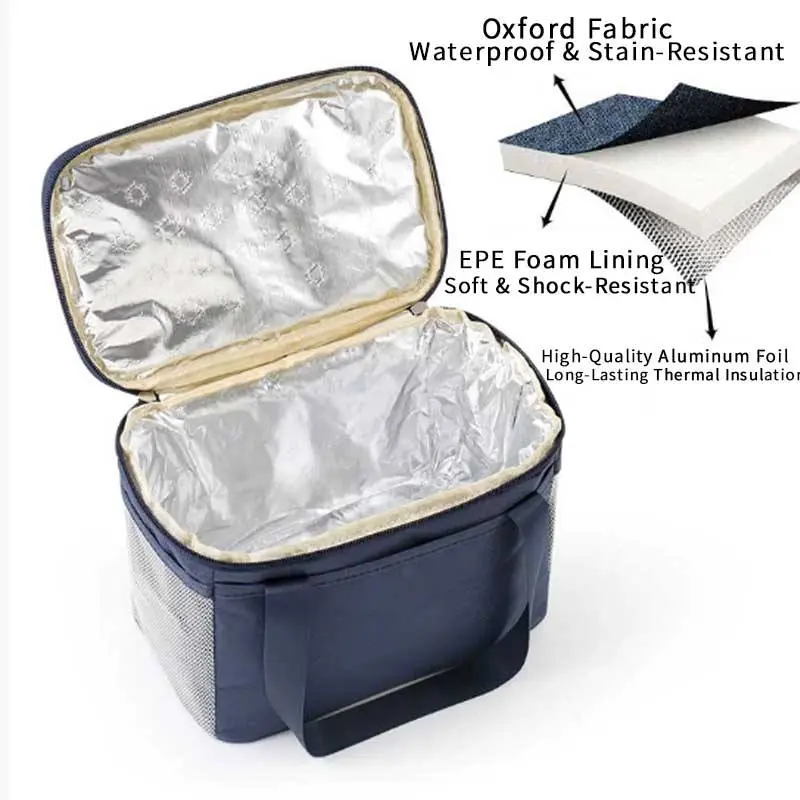
A real factory will do this comfortably. A middleman pretending to be a factory will suddenly have “internet issues” or reschedule three times.
Bringing It All Together
The suppliers who pass all 12 checks are the top 15% of Chinese manufacturers. They’re not the cheapest — expect 8–12% higher unit costs than the trader offering the lowest quote. But they’ll save you:
- 3–5% on returns (compliance and QC discipline)
- 5–10% on customs delays (documentation muscle)
- 10–20% on rush replacement production (real capacity)
- Countless hours on avoidable email back-and-forth (communication quality)
Do the math over 12 months of a serious retail program and the “expensive” supplier is 15–25% cheaper in total landed cost.
If you’d like to see how a factory that scores 12/12 on this checklist actually operates, book a virtual walkthrough of the Great Shine facility. We’ve been running the same 3-step QC discipline that serves B&M, Rossmann, and Lidl for 16 years, and we’re happy to show you how it works.
Every buyer deserves a supplier that won’t wake them up at 3 AM. Choose carefully.
Grace Ji is Sales Director at Great Shine, a BSCI / ISO 9001 / SEDEX certified custom storage bag manufacturer serving B&M, Rossmann, Lidl, 3coins, and 100+ private-label brands worldwide. Contact her at sales11@g-shine07.com.