Custom Insulated Lunch Bags for OEM & Private Label

Develop a lunch bag around the containers your customers carry. Discuss bag dimensions, ice-pack space, lining, insulation and branding with Great Shine, then review the configured sample before bulk production. For retail brands, importers and promotional programs.

Product catalog

Choose a lunch bag format

Start with the intended contents and carrying method. A compact tote for one meal needs a different opening and pocket layout from a shoulder bag carrying a lunch box, snacks and a bottle.
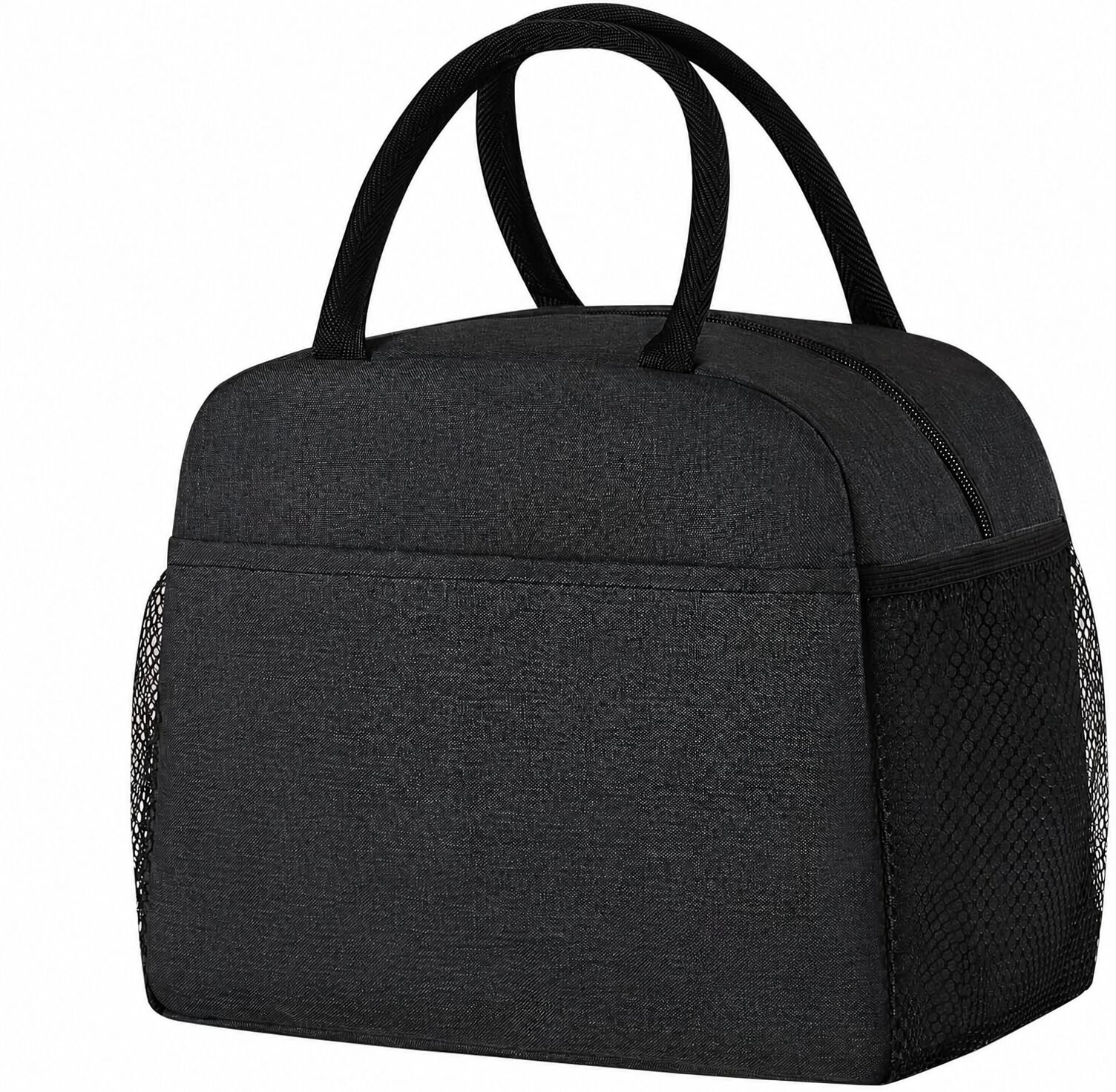
Black lunch bag with two carrying handles and a front pocket

Lunch bag with handles

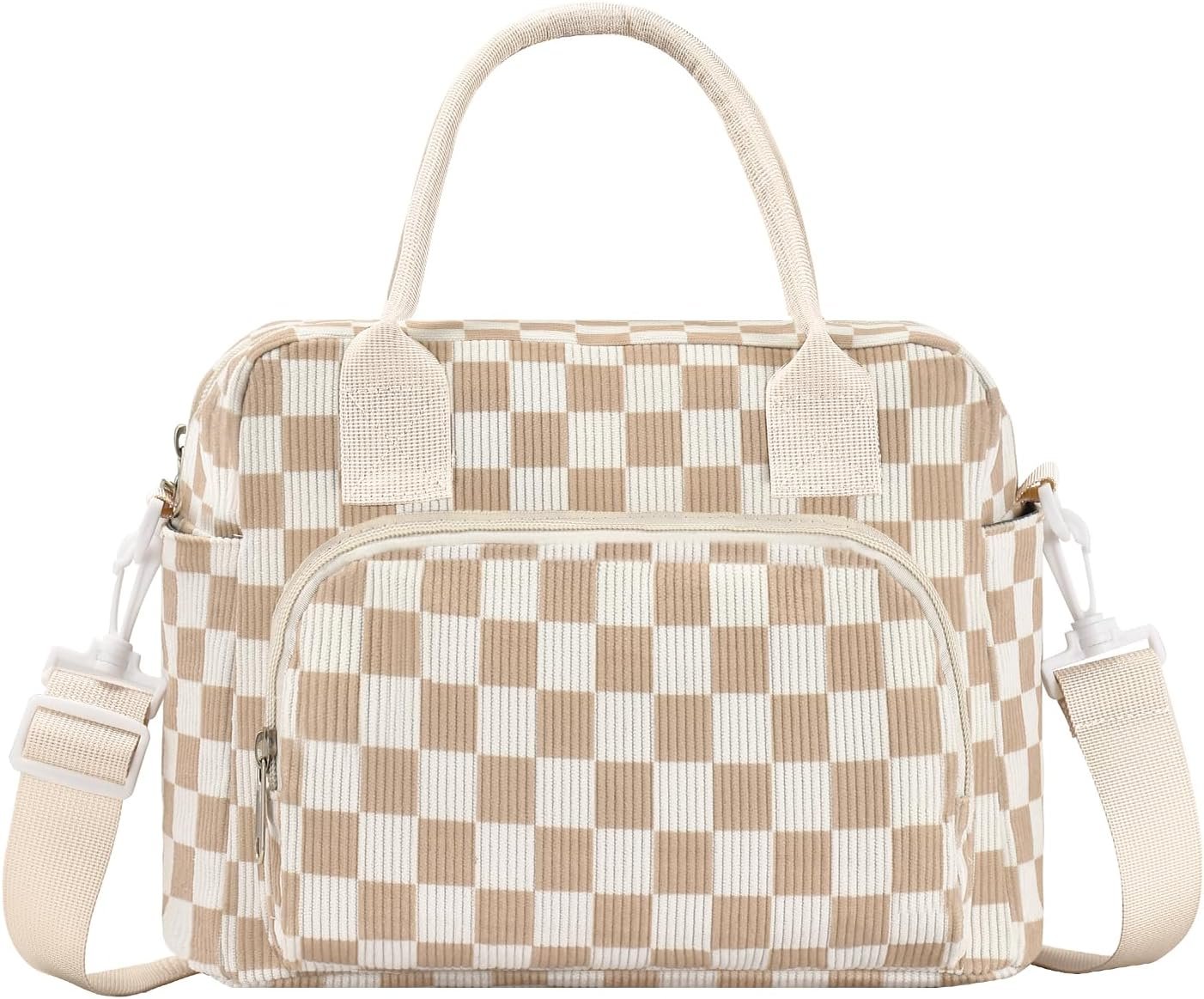
Beige checkered lunch bag with handles and a shoulder strap

Lunch bag with shoulder strap

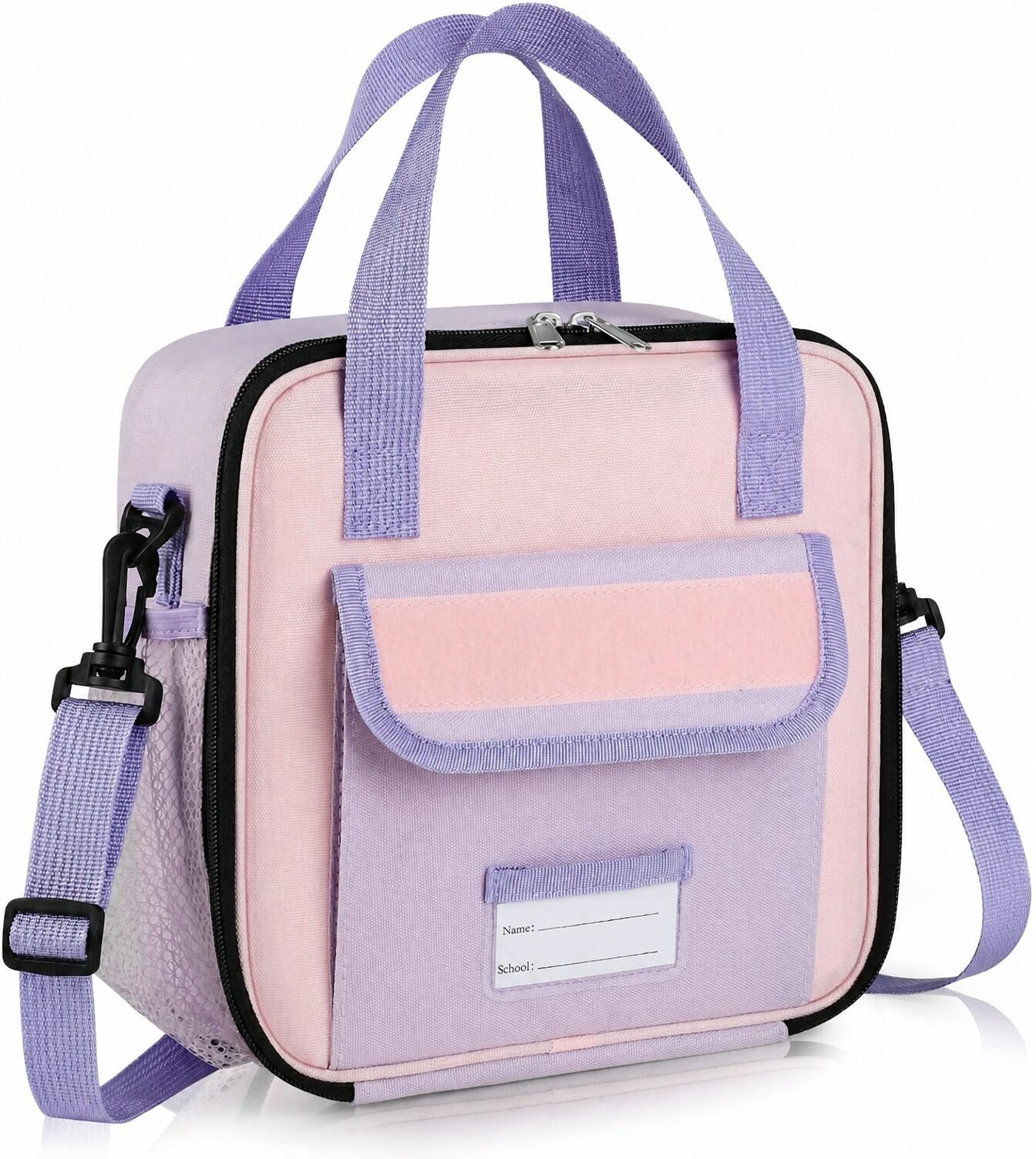
Purple and pink lunch bag with a front pocket and shoulder strap

Kids' lunch bag

Size and layout

Make sure the complete lunch fits

External dimensions do not tell you how much space remains after insulation, seams and pockets. Review the usable interior and opening with the actual containers, bottle and ice packs you intend to recommend.

What to define before choosing a bag size

Item
Information to provide
Sample check
Lunch containers
Information to provide
Length, width and height, including lids and clips; number of containers
Sample check
Load and remove the containers without forcing the opening or distorting the lining.
Ice packs
Information to provide
Dimensions, quantity and planned position
Sample check
Check fit above, below or beside the containers, with the zipper fully closed.
Bottle and utensils
Information to provide
Bottle diameter and height; inside or outside pocket preference
Sample check
Check pocket retention and whether the bottle takes space from the main compartment.
Carrying and cleaning
Information to provide
Expected loaded weight, carry method and cleaning instructions
Sample check
Review balance, handle access and whether corners can be reached for wiping and drying.
For a school or children’s range, identify the intended age group at the start. Product design, intended use and destination determine which requirements need review.
Materials

Compare the complete material construction

The outer fabric, foam, lining, closure and seams work together. EPE is expanded polyethylene, a type of PE foam; the names alone do not define different performance grades. Compare the actual foam specification and finished bag.

Material choices to review for your lunch bag

Component
Options to discuss
What to compare
Outer fabric
Options to discuss
Polyester/Oxford fabric or canvas; coating as required
What to compare
Fabric weight, surface finish, print compatibility and packing bulk. Denier and gsm describe different properties.
Foam layer
Options to discuss
Specified PE/EPE foam construction
What to compare
Thickness, density, thickness tolerance, flexibility and finished-bag thermal results.
Reflective facing
Options to discuss
A specified foil or metallized-film composite
What to compare
Layer structure, bonding, flex durability and the result in the assembled bag. Confirm the actual facing material.
Lining
Options to discuss
PEVA or another lining agreed for the intended use
What to compare
Cleaning, seam construction, odor and applicable material documentation. Confirm whether food contact is intended.
If the bag carries sealed lunch boxes, state that use clearly. If food may contact the lining directly, define the food type and contact conditions before selecting the material and reviewing documentation. A material name alone does not establish food-contact compliance.
Request documents that identify the actual material or product, tested scope and date. Market requirements need separate review for each program; neither a PEVA label nor a general test-report logo establishes universal compliance.
Sample evaluation

Agree how thermal performance will be measured

A claimed number of cooling hours is only useful when the conditions and temperature limit are defined. Use the following checklist to discuss a sample test. It is a planning guide, not a completed test report.

Thermal test brief

Record
Define before testing
Sample configuration
Define before testing
Sample reference, usable size, material layers, closure and any pockets or dividers.
Load and cold sources
Define before testing
Contents and mass, starting temperature, ice-pack type, mass, initial condition and placement.
Environment and use
Define before testing
Ambient temperature, exposure conditions, opening schedule and test duration.
Measurement
Define before testing
Sensor position, whether product or air temperature is measured, measurement interval and sample count.
Acceptance and result
Define before testing
Target temperature limit, time within that limit, recorded readings, date and observed issues.
Thermal performance and food safety are separate questions. Do not turn a temperature below room temperature into a claim that perishable food remains safely refrigerated. Buyer instructions should address cold sources and handling. See USDA guidance on keeping bag lunches safe.

Check daily use as well as insulation

Spills and cleaning

Agree a spill or leak check appropriate to the use. Inspect seams and corners, then review wiping and drying access. A welded lining does not make the entire bag leakproof.

Zipper and opening

Operate the zipper with the intended load. Agree the cycle count and checks for slider movement, snagging and seam distortion before testing.

Handles and strap

Define the intended load and carrying checks. Inspect webbing, attachment points and stitching after the agreed sequence.

Production reference

Record approved materials, measurements, color references and packing details. Agree which changes require review before a repeat order.
Private label

Plan the details that affect your quotation

Customization and cost considerations

Choice
Details to discuss
What may affect cost or minimum order
Size and structure
Details to discuss
Usable dimensions, wide opening, dividers and pocket layout
What may affect cost or minimum order
Pattern development, material consumption and assembly complexity.
Fabric and color
Details to discuss
Available fabric, stock colors or a custom color reference
What may affect cost or minimum order
Fabric availability, dye-lot minimums and number of colorways.
Insulation and lining
Details to discuss
Layer specification, lining finish and seam construction
What may affect cost or minimum order
Material order requirements, production method and testing scope.
Logo and trims
Details to discuss
Print, woven label, embroidery or patch; zipper and strap options
What may affect cost or minimum order
Artwork, application area, backing, trim sourcing and setup costs.
Packaging
Details to discuss
Hang tag, insert, retail box or buyer-supplied barcode requirements
What may affect cost or minimum order
Artwork, packing dimensions, print quantities and assembly.
For retail and ecommerce, include the packed unit dimensions, weight and carton quantity in the brief. For promotional orders, state the event date and logo requirements. These details help establish a useful quote before sampling.
Great Shine project record

Printed Lunch Bag Series — Project Specification

This Great Shine project covers 2,520 printed bento bags in five animal designs: cat, Akita, poodle, hedgehog, and panda. The project handover records the materials, production challenges, QC requirements, and sample plan below.

Project overview

Item
Recorded value
Product type
Recorded value
Printed lunch bag (bento bag style)
Designs
Recorded value
5 animal-pattern prints: cat, Akita, poodle, hedgehog, panda
Total quantity
Recorded value
2,520 pcs
Handover date
Recorded value
2026/6/12
Delivery date in project record
Recorded value
2026/08/05

Product structure

Component
Specification
Outer fabric
Specification
100% polyester canvas, 6oz, printed
Inner lining
Specification
PEVA
Insulation layer
Specification
Polyurethane foam, 1.5mm
Edge binding
Specification
PEVA, 1cm width
Drawstring cord
Specification
Nylon, ivory white; PEVA lining material sewn into drawstring area, insertion ≥1cm
Assembled dimensions
Specification
15.5 × 11 × 17 cm
Folded dimensions
Specification
25.5 × 17 cm
Dimensional tolerance
Specification
±2-3 mm

Production difficulty points and control methods

The handover document identified two pattern-related difficulty points specific to this printed series. These are useful examples of the details that need control during cutting and sewing of multi-panel printed bags.
Difficulty point
Control requirement
Pattern alignment across panels
Control requirement
Patterns crossing different fabric panels must be aligned and joined without visible misalignment. Cutting and sewing must account for pattern repeat positioning.
Bottom pattern completeness
Control requirement
Theme patterns on the bottom (paw pads, bones, etc.) must be fully visible and not truncated by seams or cutting. The complete printed motif must be present on the finished bottom panel.

Sample plan and packaging summary

The project specified pre-production and bulk-reference sample sets for each design. Some designs specified 4 sets (2 pre-production + 2 bulk reference), others specified 6 sets (2 pre-production + 4 bulk reference).
QC requirements included: fabric surface free of stains, color difference, and fading; thread ends trimmed to 5mm or less; sewing thread color matching the main fabric; binding material as PEVA; dimensions within ±2-3mm tolerance. Packaging: PP bag (0.05mm) with color insert (200g glossy paper), desiccant, 60 pcs per double-wall corrugated carton (6mm), factory self-inspection.
This is a project specification record, not a quotation or a completed-delivery certificate. The materials, QC requirements, and packaging details shown here apply to this specific project. New projects are quoted based on the selected materials, quantity, logo method, packaging, and destination.
Sampling and ordering

From lunch bag brief to approved sample

1

Share your brief

Provide intended use, container dimensions, quantity by design and color, destination, budget and required delivery date.
2

Confirm the proposal

Review construction, available materials, artwork and packing. Agree MOQ, sample charges, revision scope and freight in the quotation.
3

Review the sample

Check fit, carrying, cleaning and agreed performance requirements. Record changes against the sample version.
4

Approve the order

Confirm the final specification, inspection criteria, packaging and production schedule before bulk production.
Order quantity, material availability, custom colors and packaging affect the schedule. Confirm sampling and production dates for the selected configuration.
FAQ

Questions before ordering custom lunch bags

Share the product reference and the changes you need, or send a sketch with the intended contents. Great Shine can review the proposed size, structure, materials and branding before confirming the development scope.
The selected fabric, colorways, trims, artwork and packaging can have different sourcing minimums. State the quantity for each design and color so the quotation can identify the applicable MOQ and any constraints.
Measure the complete lunch container, including its lid and clips. Add the intended ice packs, bottle and accessories to the layout, then check usable interior dimensions and loading access on the sample. External bag dimensions alone are not a fit guarantee.
That depends on the finished bag, starting conditions, contents, cold sources and use. Define a target temperature and test conditions for the selected sample before using a cooling-hours claim. A result from one configuration should not be applied to every lunch bag.
Check the specific material and intended contact conditions. Carrying sealed containers is different from placing unpackaged food against the lining. Review documentation for the selected material and destination before making a food-contact claim.
Discuss printing, woven labels, embroidery or patches alongside your fabric and artwork. Include hang tags, inserts, retail packaging and any buyer-supplied barcode requirements in the brief so the complete pack can be reviewed.
Use the approved sample version and specification as the reference. Confirm material availability, color and packing details before the repeat order, and agree how substitutions or construction changes will be approved.
Agree inspection criteria, the issue-reporting process and remedies in the purchase terms. If a discrepancy occurs, record the affected quantity, photos and specification reference so it can be assessed against the approved order.
Great Shine OEM/ODM storage bags and organizers manufacturer logo
Great Shine contact QR code for storage product wholesale inquiries

REQUEST A FREE QUOTE

contact us to get latest product catalog