
TV Shopping Product Manufacturer & OEM Development Partner
Custom TV Shopping Products Viewers Can Understand—and Hosts Can Demonstrate.
A product can look good and still fail to sell on TV. What if viewers cannot see the difference, the host struggles with the demo, the bundle feels ordinary, or the delivered product does not match what appeared on screen? Great Shine helps solve these risks before airtime—from product design and sample rehearsal to packaging and repeat production.
Make the benefit visible
Make the demo repeatable
Make the offer feel complete
Make production consistent
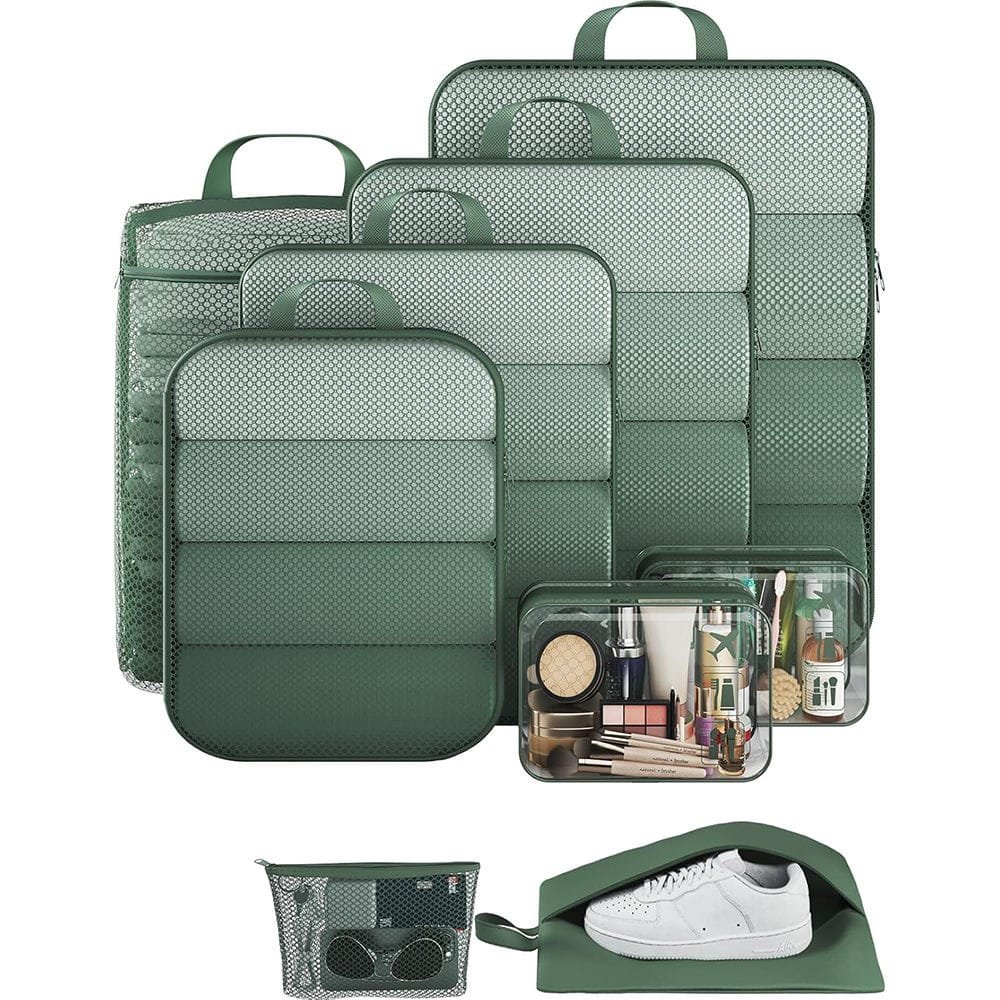
Visible Benefit
Simple Story
Bundle Value
The seller’s real question
Will viewers understand the value before the segment moves on?
The benefit must be visually obvious, not only verbally explained.
The same product action should work reliably throughout the segment.
Every item in the bundle needs a clear role in the purchase story.
Bulk and replenishment should follow the approved product reference.
The Risks Behind Every Broadcast Slot
You Have the Airtime. Now the Product Has to Earn It.
For a TV-shopping seller, the risk does not begin at mass production. It begins when an ordinary product must become a clear, convincing and repeatable live presentation.
01
“What if viewers do not understand it quickly enough?”
A practical product can still underperform when its main advantage needs too much explanation or is difficult to see on camera.
Our answer: engineer a visible problem, action and result.
02
“What if the price feels high because the offer looks ordinary?”
A random piece count does not automatically create value. Viewers need to understand why each item belongs in the set.
Our answer: build one coherent bundle around one use case.
03
“What if the product fails during the live demonstration?”
A zipper, valve, closure, insert or folding step that works inconsistently can interrupt the host and weaken trust.
Our answer: identify and rehearse every demo-critical function.
04
“What if product approvals fall behind the program schedule?”
Separate decisions about structure, colour, logo, packaging and cartons can create late rework and unclear ownership.
Our answer: connect approvals through one controlled product brief.
05
“What if customers receive something harder to use than it looked on TV?”
Confusing instructions, unclear piece identification or disappointing pack presentation can turn initial sales into returns.
Our answer: design the unboxing and instructions as part of the offer.
06
“What if the first show works—but replenishment does not match?”
Changes in material, dimensions, colour, components or pack-out can undermine the product customers already saw.
Our answer: control repeat production against the approved reference.
What the Seller Needs From the Factory
Eight Answers to the Risks That Keep a TV-Shopping Program From Scaling.
Each Great Shine advantage is presented as a solution to a real program problem—not as an isolated factory slogan.
01
Demonstration-first development
We review how the product opens, changes, holds, compresses or organises on camera.
02
Free design support
Turn a brief, reference image or rough idea into a clearer product and bundle direction.
03
Free sample support
Review the real construction and key functions before the bulk-production decision.
04
Exclusive offer options
Differentiate through set composition, colour, details, branding and packaging.
05
Coordinated retail packaging
Plan the unit pack, instructions, labels and shipping carton around one approved offer.
06
Demo-critical quality checks
Focus inspection on the functions the host will actually use and the viewer will actually see.
07
Specification control
Keep size, material, colour, trims and pack-out aligned with the approved reference.
08
Repeat-program support
Preserve the product logic so extensions and repeat orders start from a controlled base.
Pain Point: The Host Has to Work Too Hard
Your Host Should Not Have to Rescue a Weak Product Story.
For storage products, the strongest story is often visual: clutter becomes organised, bulky items take less space, contents become easier to find, or a carry solution becomes easier to use.
- Make the problem recognisable in the first scene.
- Keep the operation simple enough to repeat on air.
- Make the result visible from the main camera angle.
- Ensure the supporting pieces strengthen the same story.
Factory role: We do not write unsupported performance promises. We help the buyer identify which physical features can be demonstrated and what must be validated on the approved sample.
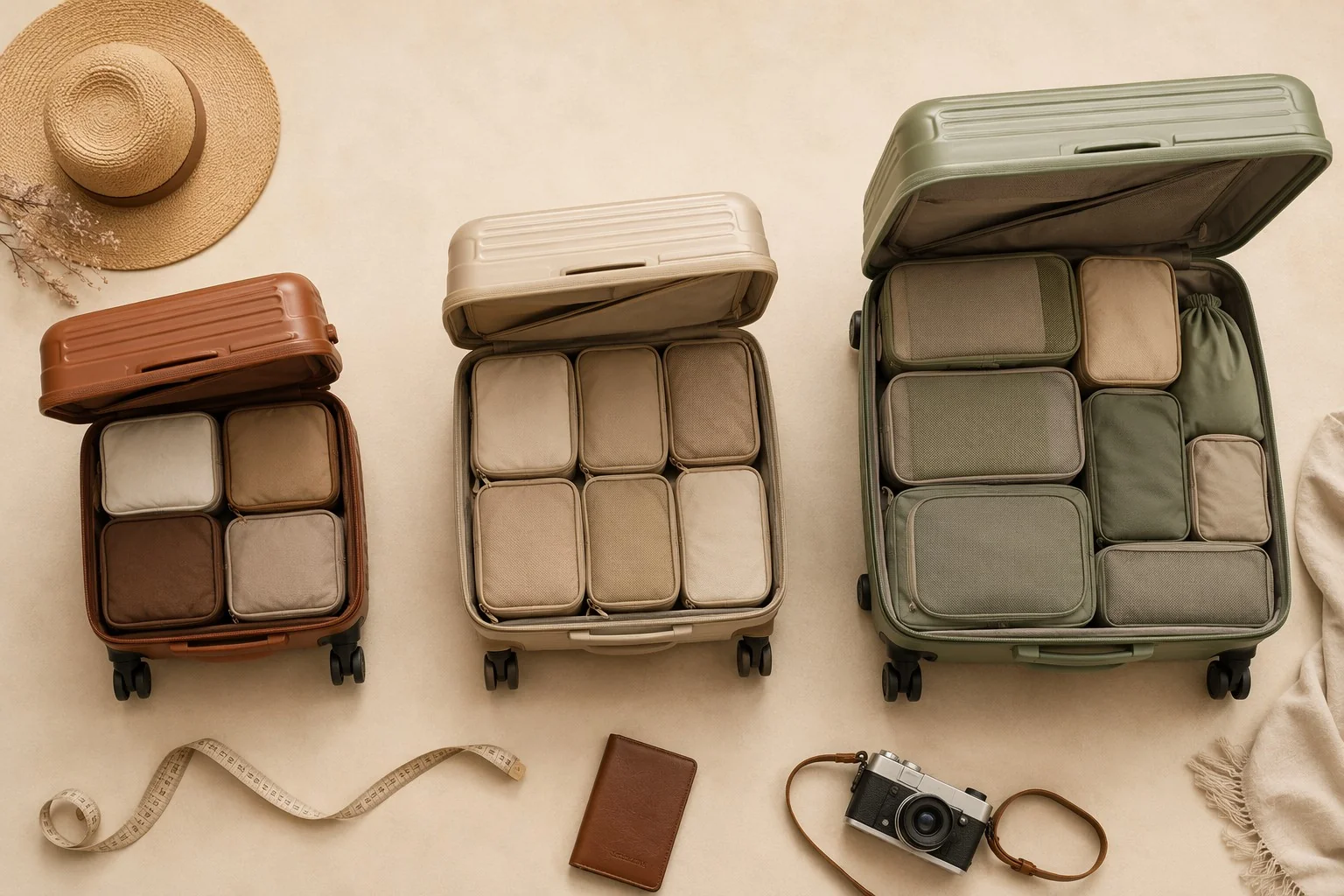
A useful on-air story connects product size, user action and the final packed result.
1
Show the problem
Start with an everyday travel, storage or organisation frustration.
2
Perform one action
Zip, compress, pack, hang, separate, carry or protect.
3
Reveal the result
Make the improvement clear from a viewer-friendly angle.
4
Explain the complete kit
Show how every piece supports the same use case and value story.
The working question: Can a viewer understand the problem, the action and the result while watching the product—not only while listening to the host?
Pain Point: The Bundle Feels Random
If Viewers Cannot Understand the Bundle, the Price Becomes Harder to Defend.
Build the complete offer around one purchase story. Use the selector below to see how the factory conversation changes at each decision.
Start with the visible benefit
Choose one hero product the host can demonstrate clearly.
The hero product should solve the main problem on camera. Construction, colour contrast, opening sequence and product dimensions should support that demonstration.
What will the host physically do?
What change should the viewer see?
Which surfaces and details face the camera?
Does the physical product repeat the action reliably?
Add pieces with a clear job
Make every supporting item strengthen the same use case.
Supporting pieces should extend the solution, not create a random assortment. Size hierarchy, item count and accessory roles need to be easy to explain.
Add only pieces that solve adjacent needs.
Make each size easy to identify and use.
Do not add pieces only to increase the count.
Record every piece in the approved bundle.
Create channel separation
Build an exclusive version without losing production control.
A distinct colourway, trim, logo, size combination or structural detail can make the program recognisable while keeping the product practical to manufacture and repeat.
Choose changes viewers can understand.
Review contrast, position and orientation.
Record colours, trims and components.
Keep a base for related offers.
Finish the customer handoff
Connect the on-air story to the delivered product.
Packaging, instructions and identification should help the customer recognise the set, understand each piece and begin using it without confusion.
Choose the pack style and product arrangement.
Explain operation, contents and care.
Place brand, barcode and required information.
Confirm pack-out and shipping-carton details.
Pain Point: A Useful Product Is Not Always a TV Product
Start With a Problem Viewers Already Recognise and a Result They Can See.
These are demonstration-led development directions, not fixed bundles. The right combination depends on the audience, program theme, target offer and on-air story.
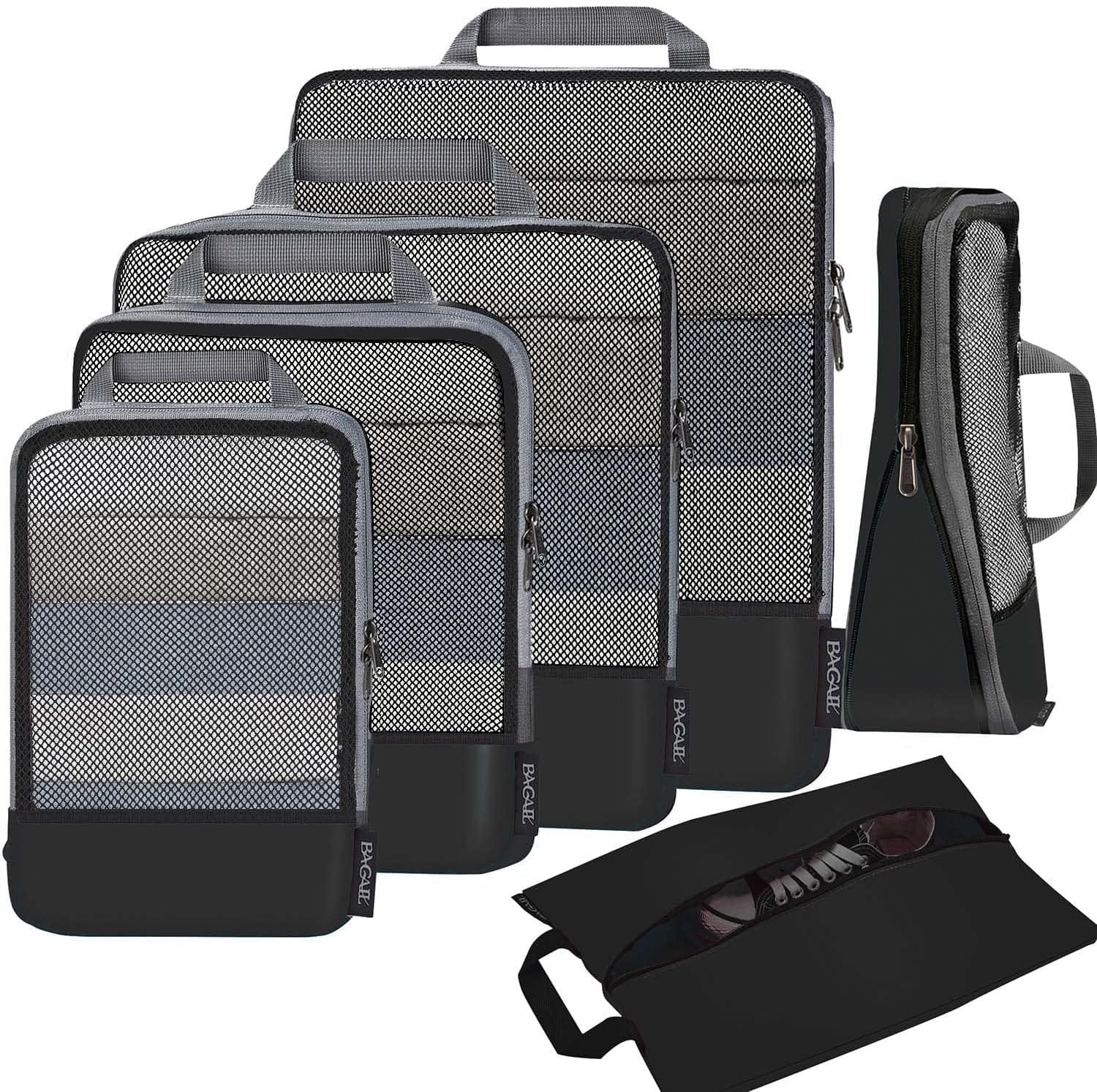
Travel Space-Saving Sets
Build a visual packing story around compression, separation and suitcase organisation.
Compression cubes
Packing cube sets
Travel accessories
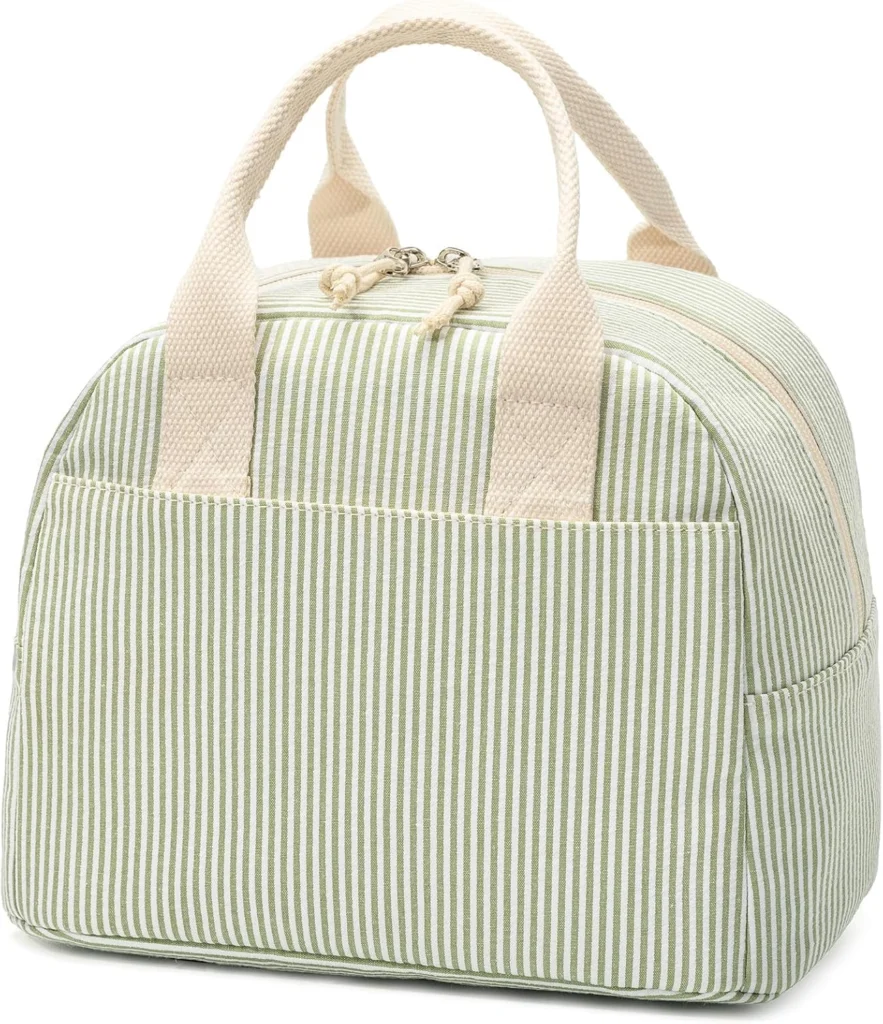
Cooler & Insulated Bags
Build a pack, carry and serve story around daily meals, grocery trips, picnics or gifting.
Lunch bags
Cooler totes
Insulated carry
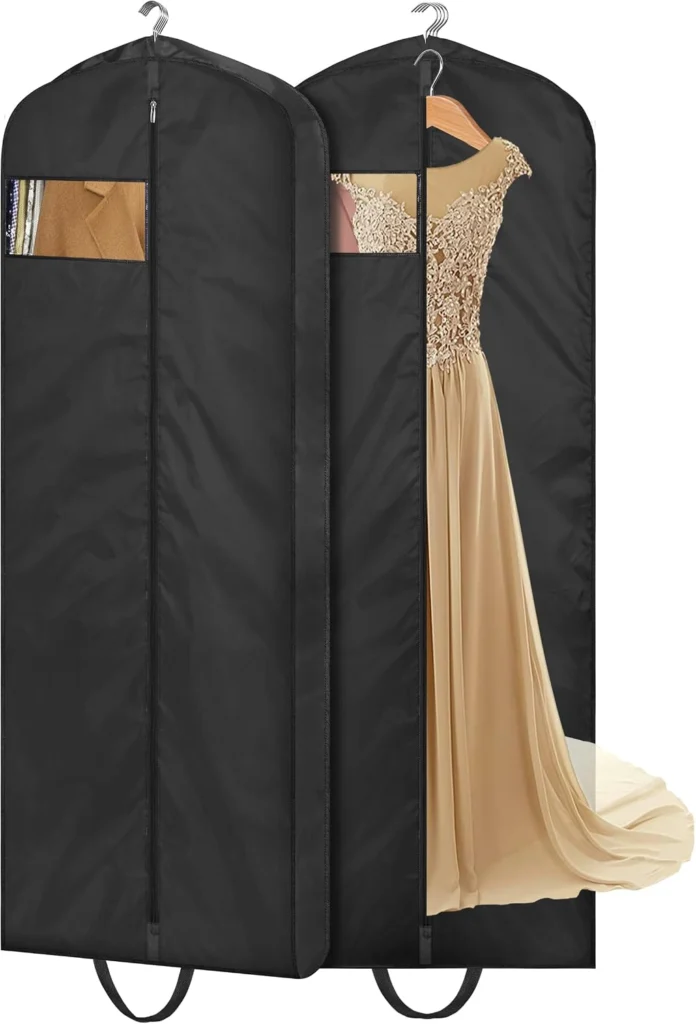
Garment Protection
Demonstrate a simple protect, organise, fold and carry sequence for clothing and travel.
Garment bags
Clear windows
Travel protection
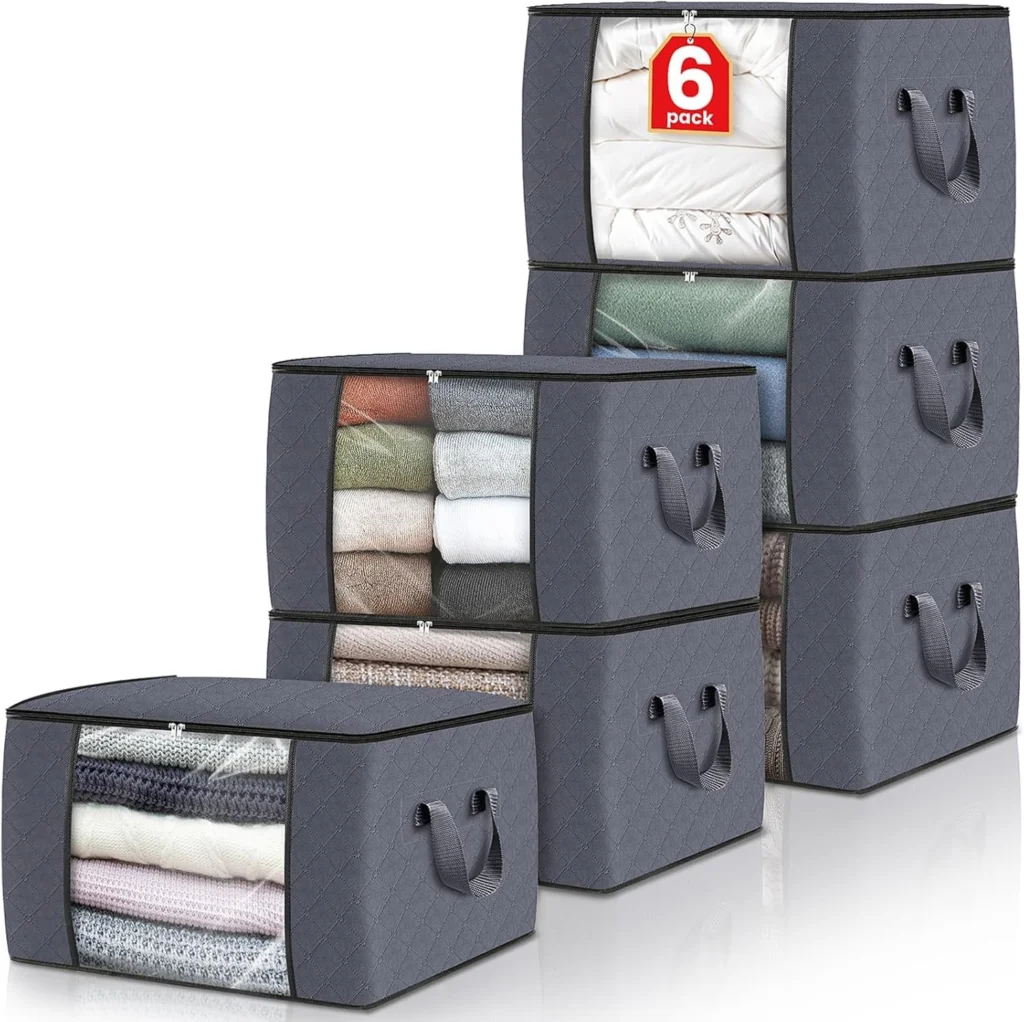
Household & Seasonal Storage
Turn difficult-to-store household items into a clear protect, carry and organise demonstration.
Seasonal storage
Closet organisation
Protective bags
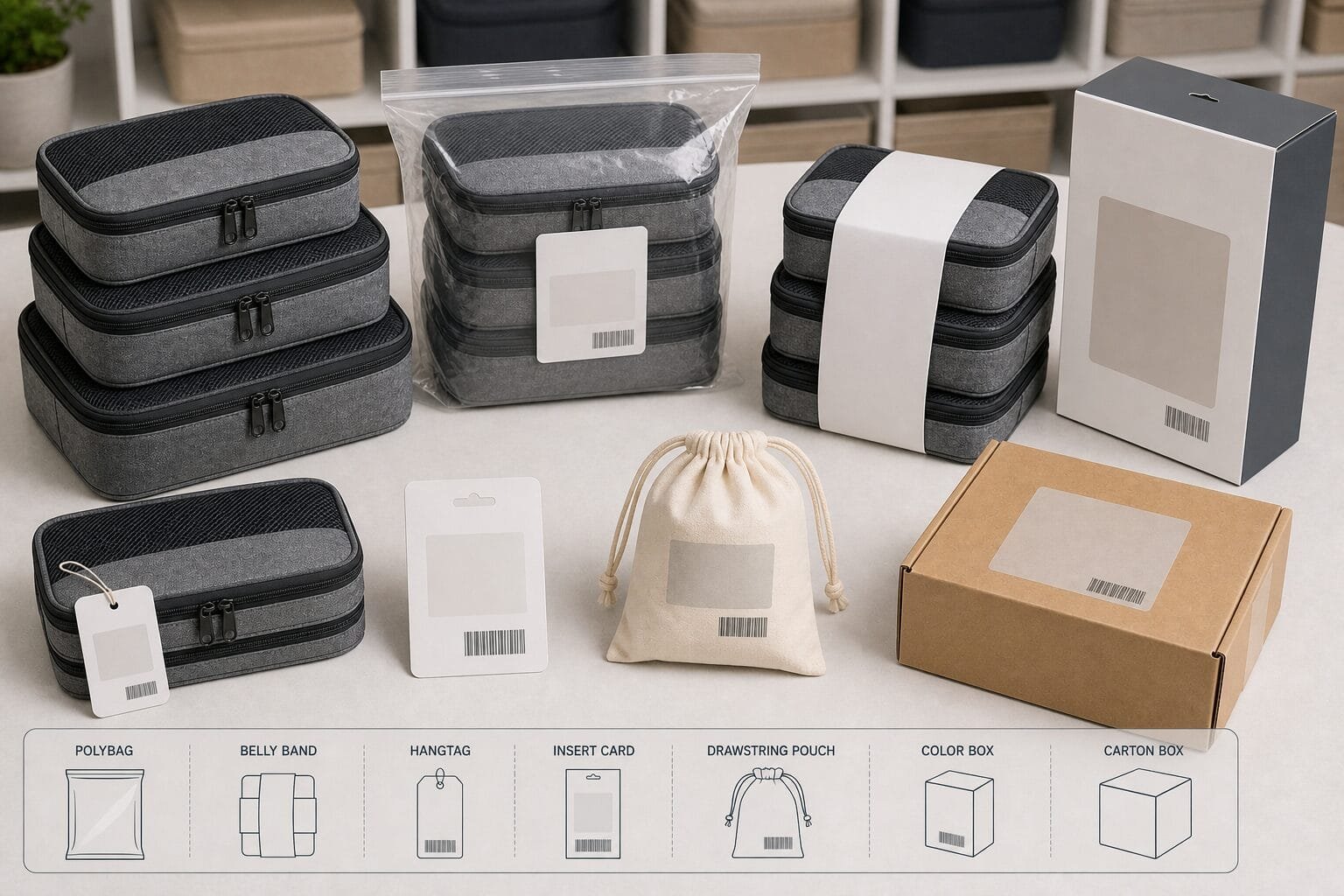
Ready-to-Present Retail Kits
Coordinate a product set with instructions, inserts, labels and retail-facing packaging.
Private label
Instruction insert
Unit packaging
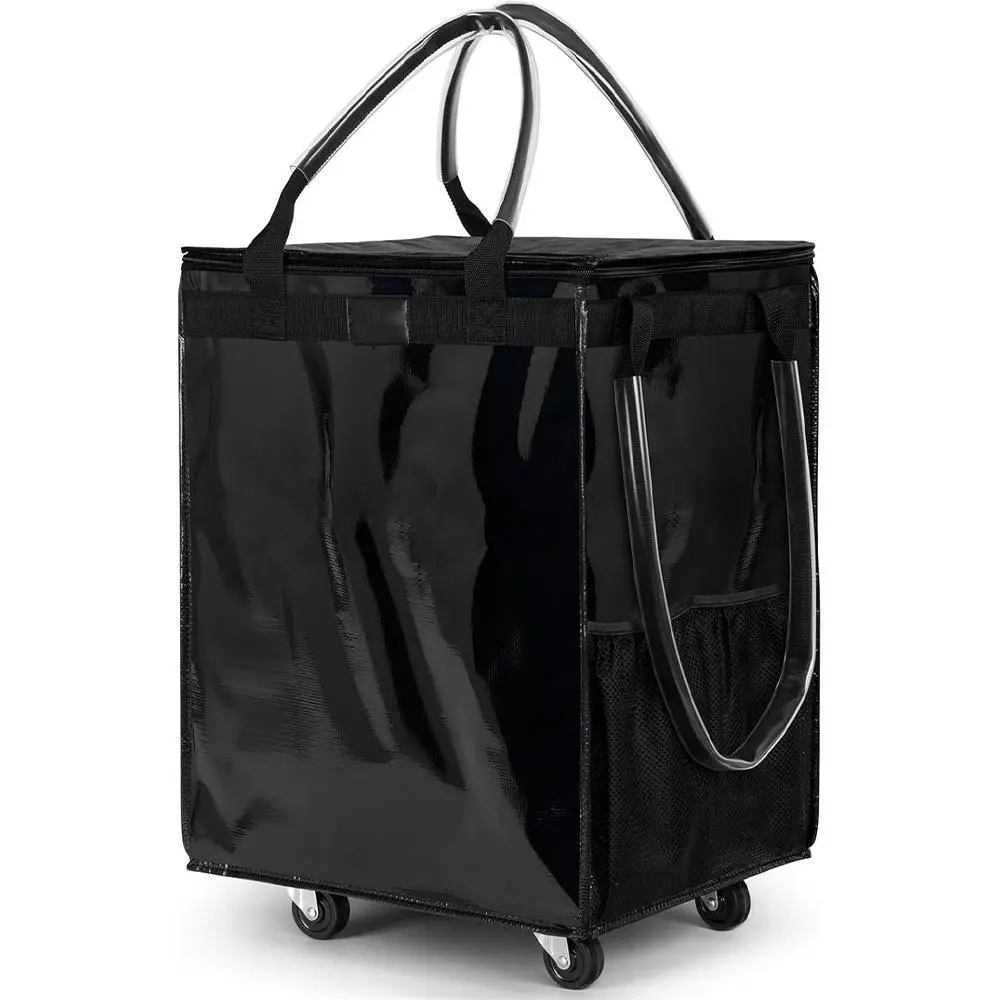
Carry & Shopping Solutions
Show a simple loading, carrying or wheeled-movement story for daily shopping and household use.
Trolley bags
Reusable carry
Custom details
Pain Point: Late Changes Consume Time and Margin
Solve Uncertainty With Free Design and Free Sample Support Before Bulk Production.
The goal is to find product, demonstration and packaging problems while changes are still manageable—not after the program has committed to the offer.
Free Design Support
Turn the buying brief into a product direction.
We help structure the idea before the first physical sample so the team can discuss the same product, bundle and packaging logic.
- Product structure and dimensions
- Bundle composition and size mix
- Colour, logo and trim direction
- Packaging and insert layout direction
- Visual before-and-after presentation ideas
Free Sample Support
Rehearse the real product before the production decision.
The physical sample gives the buyer a reference for the functions, appearance and on-air handling that matter to the program.
- Opening, closing and handling sequence
- Demo-critical zipper, valve or closure function
- Size relationship between bundle pieces
- Branding placement and camera visibility
- Packaging, instructions and pack-out review
Pain Point: One Missed Detail Creates Problems Downstream
Connect Every Seller Risk to a Factory Checkpoint.
A missed detail can become a live-demo failure, a confusing unboxing, a customer return or a repeat-order inconsistency. The approval record keeps the teams aligned.
Buyer concern
Factory response
Review evidence
Will the product demonstrate clearly?
Define the action, visible result and demo-critical components.
Physical sample and agreed review checklist.
Does the bundle tell one story?
Coordinate sizes, supporting pieces, colour and pack-out around the hero benefit.
Bundle map and confirmed item list.
Will branding read correctly on camera?
Review logo position, scale, contrast and orientation on the actual product.
Artwork approval and branded sample reference.
Can customers understand the product after delivery?
Plan instructions, identification, care information and package presentation.
Approved packaging and insert artwork.
Can bulk units remain consistent?
Control materials, dimensions, colours, components and workmanship against the specification.
Production specification and inspection records.
Can the offer be repeated or extended?
Keep the approved program logic as the base for replenishment or related products.
Confirmed reference sample and repeat-order specification.
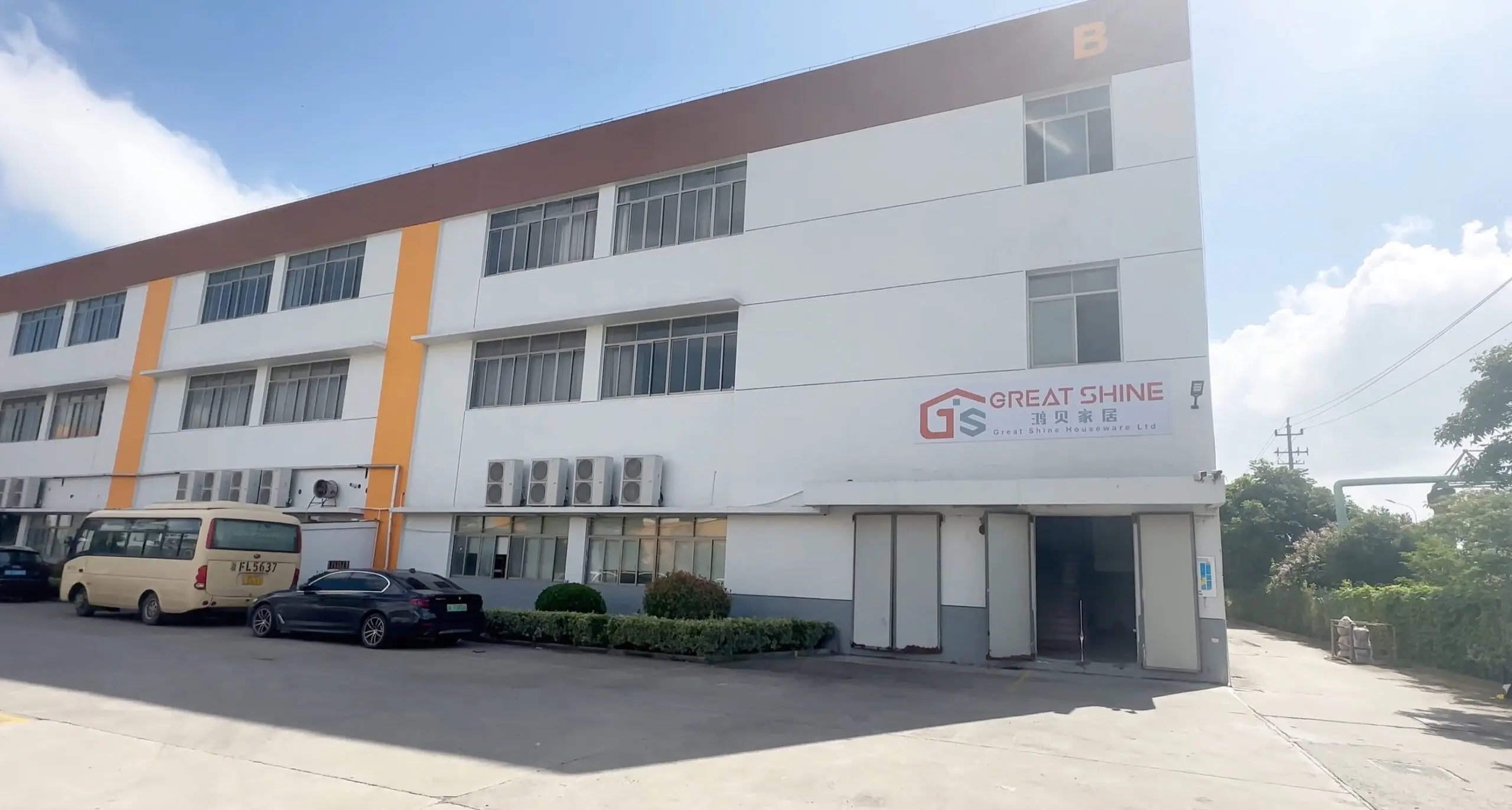
Production visibility
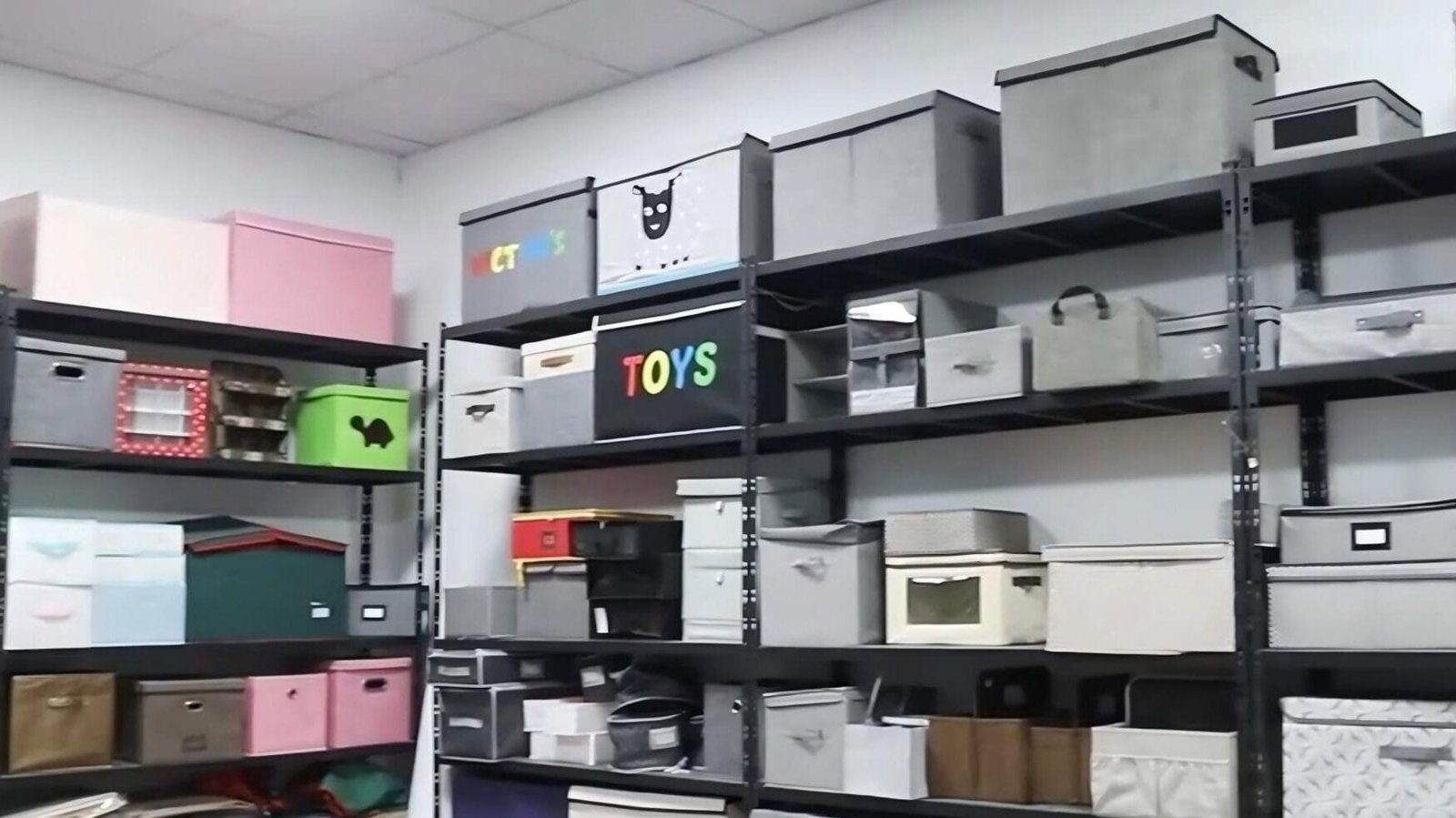
Sample development
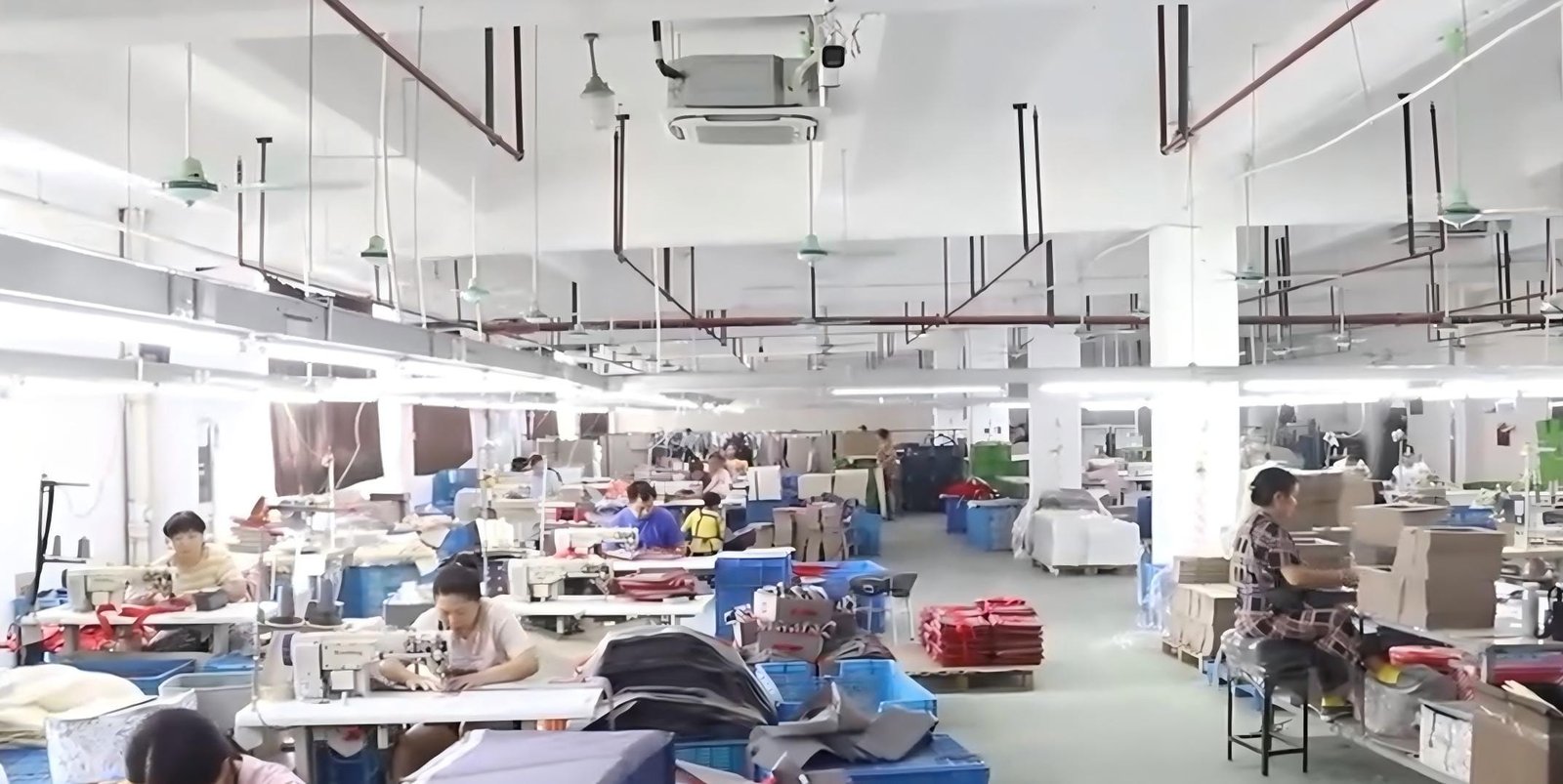
Quality checkpoints
Pain Point: Success Creates the Next Production Pressure
Can the Factory Repeat What Viewers Saw on Screen?
A successful show can quickly become a replenishment and consistency challenge. Our role is to keep the physical product, bundle details, packaging and production reference connected from the first approved sample to repeat production.
- Development decisions recorded before sampling
- Physical review before bulk-production approval
- Materials, dimensions, trims and artwork tied to the specification
- In-process and final checks based on confirmed requirements
- Repeat orders referenced to the approved program
1
Program Brief
Audience, channel, problem and target offer.
2
Offer Design
Hero product, bundle, branding and packaging.
3
Sample
Build the physical review reference.
4
Demo Review
Rehearse actions and check visible results.
5
Bulk Control
Produce against the confirmed specification.
6
Repeat Program
Replenish or extend from the controlled base.
Questions From TV Shopping Buying Teams
Frequently Asked Questions
Products with a recognisable problem, a repeatable action and a visible result are strong starting points. For Great Shine, this may include travel organisation, compression, household storage, garment protection and coordinated accessory sets. Final suitability should be reviewed against your audience and program plan.
Yes. Possible differentiation includes the piece count, size mix, colour combination, trim, logo method, accessory selection, instructions and packaging. The confirmed scope is documented before production.
Check the host’s handling sequence, the visible result, dimensions, materials, colours, branding, bundle relationship, instructions and package presentation. Demo-critical components should be tested repeatedly under the intended use.
The approved specification and reference sample remain the basis for material, dimension, colour, branding, component and pack-out checks. Any requested change should be reviewed and confirmed before the next production run.
Yes. We can review the physical sequence, the camera-facing details, colour contrast, opening method, bundle composition and packaging direction, then propose development changes for your approval.
Send the target customer, product category, program concept, reference images, desired bundle, branding files, packaging needs and any timeline or quantity information already known. Unknown details can remain open during the first review.
Yes. We can coordinate the product with unit packaging, instruction inserts, labels, artwork placement and shipping-carton requirements based on the buyer’s confirmed specification.
Tell us which physical performance points the program wants to explain. We can connect those points to product specifications, sample checks and an agreed test method so the buying team can review the supporting evidence before using the claim.
Start With the Risk You Need to Solve
Tell Us What Could Go Wrong Before Airtime.
Is the demonstration unclear? Does the bundle lack value? Are you concerned about the sample, packaging, returns or replenishment? Share the program risk first, and our factory team will work backward into the product, offer and production solution.
01
Your target market and TV-shopping channel
02
The customer problem and intended demonstration
03
The risk currently blocking the program
04
Product references, bundle, packaging and timing information

