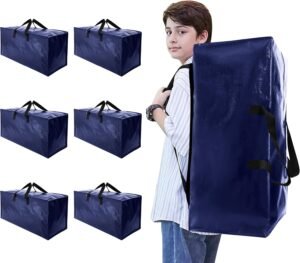
Some waterproof tote bags protect well enough, but still lose buyers the moment they are touched. The surface feels stiff, glossy or sticky. The bag may look more like a reusable plastic shopping bag than a product a customer would want to carry to work, travel with, or buy as part of a private label collection.
For brands sourcing custom waterproof tote bags, that first touch matters. It affects perceived value, return risk, product reviews, and whether the tote feels suitable for retail instead of only for a low-cost promotion. This is where TPU laminated fabric often enters the discussion.
TPU is not a magic answer for every project, and it should not be sold with unsupported performance claims. But for buyers who want a waterproof tote with a softer, cleaner and less plastic-like surface, TPU laminated fabric is worth comparing against PVC, PU-coated fabric and other coated material options.
This guide explains how to evaluate TPU waterproof tote bags from a sourcing point of view: hand feel, structure, seams, samples, private label details, QC checks and the information a supplier needs before quoting.
Why Waterproof Totes Can Feel Too Plastic
The “plastic bag” feeling usually comes from a combination of surface finish, coating thickness, base fabric and construction. A glossy surface reflects light and often feels more slippery or sticky in the hand. A stiff film can make the whole tote feel board-like when folded. A lightweight base fabric may also make the bag sound crinkly or cheap when handled.
In sourcing conversations, the material name alone is not enough. Two bags can both be described as waterproof, but feel very different:
- One may use a glossy coated fabric with a strong plastic surface.
- One may use a matte laminated fabric with a softer textile backing.
- One may rely on a clear film panel that looks practical but feels stiff.
- One may use a heavier base fabric that improves structure but increases bulk.
The buyer’s job is not simply to ask, “Is it waterproof?” A better question is: “What material construction gives the right balance of hand feel, structure, cost, branding and test requirements for my sales channel?”
Where TPU Laminated Fabric Fits
TPU laminated fabric is often considered when a brand wants a waterproof tote that feels less like hard plastic and more like a finished textile product. In simple terms, a TPU film is bonded to a base fabric so the material can support water-resistant or waterproof design goals while keeping a more flexible hand feel than some traditional coated materials.
For retail and private label projects, TPU may be useful when the product needs:
- A softer surface feel.
- A matte or less glossy appearance.
- Better folding behavior than a very stiff coated fabric.
- A cleaner premium look for travel, outdoor, beach, gym or commuter use.
- A material direction that can be discussed alongside seam construction, lining, closure and packaging.
That does not mean TPU is always the best choice. It may increase material cost. It may require more careful bonding, cutting and seam control. It may also need test confirmation if your buyer requires a specific waterproof rating, chemical requirement or market compliance document.
For this reason, treat TPU as a material direction to sample and verify, not as a slogan to place on the product page without support.
Compare TPU, PVC and PU-Coated Options Before Sampling
Before approving a waterproof tote design, compare material options using the same product structure. If one supplier quotes TPU and another quotes PVC, the prices may not be directly comparable. Ask both suppliers to explain the construction, fabric weight, surface finish, thickness direction, seam method and packaging impact.
| Material Direction | Possible Fit | Buyer Questions to Ask |
|---|---|---|
| TPU laminated fabric | Premium waterproof tote programs, travel bags, commuter totes, private label collections | What base fabric is used? Is the surface matte or glossy? What tests can be provided if required? |
| PVC coated fabric | Cost-sensitive waterproof or promotional products where a plastic feel may be acceptable | Is there odor? How stiff is it after folding? Is the material acceptable for the target market? |
| PU-coated fabric | Lightweight water-resistant bags where full waterproof construction may not be required | Is the project water-resistant or waterproof? How will seams and closures be handled? |
| Coated polyester or nylon | General custom tote programs with a balance of fabric feel and water resistance | What coating is used? Does the material match the expected hand feel and appearance? |
| Clear film panels | Visibility windows or mixed-material designs | Does the clear panel become too stiff, cloudy or easy to scratch for the intended use? |
The most useful comparison is a side-by-side sample set. Ask for small material swatches and one actual tote sample when possible. Swatches help compare touch and surface finish, but the full bag shows folding behavior, seam appearance, handle comfort and how the material looks after packing.
Decide What “Waterproof” Means for Your Product
“Waterproof tote” can mean different things in different markets. A beach tote, grocery tote, commuter tote and dry-bag-style tote do not need the same structure. A bag can use a waterproof material but still allow water through stitching, zipper areas, handle attachments or the top opening.
Before asking for a quote, define the use case:
- Will the tote only resist splashes and wet surfaces?
- Should the inside stay dry during rain?
- Is the bag expected to handle beach, pool, boating or outdoor use?
- Does the product need a roll-top closure, zipper closure or open tote structure?
- Are welded seams required, or is stitched construction acceptable?
- Will the buyer request a specific test report?
If your buyer needs a specific waterproof level, do not rely on general marketing language. Ask the supplier which test method is relevant, whether the finished bag or only the fabric can be tested, and what documentation can be supplied. This keeps the article, the quotation and the eventual product page honest.
Look Closely at Seams, Handles and Base Structure
Material gets most of the attention, but the structure decides whether the tote feels trustworthy in use. For TPU waterproof tote bags, pay special attention to the points where stress and water risk meet.
Seams
Ask whether the bag uses stitched seams, welded seams, taped seams or a mixed construction. A material may be water-resistant or waterproof, but needle holes can reduce protection if the structure is not designed for the intended use. If welded seams are used, check whether the weld line is even, clean and strong enough for the bag size.
Handles
Tote handles carry repeated load and are touched more than any other part of the bag. Confirm handle material, width, reinforcement method and stitch or weld area. A soft waterproof tote can still feel cheap if the handle is narrow, rough or poorly attached.
Base Panel
The base affects standing shape, packing, load distribution and shelf appearance. Ask whether the tote needs a flat bottom, reinforced base, folded base or simple soft bottom. For retail display, the base also changes how the product photographs and how it sits when filled.
Closure
An open tote is convenient, but it cannot protect contents in the same way as a roll-top or zipper design. A roll-top closure may support a more outdoor or travel-oriented product. A zipper closure may feel more familiar for daily use, but zipper selection and end construction need careful checking.
Check Hand Feel During Sampling
A sample review should not be a quick photo approval. For this category, hand feel is part of product quality.
When the sample arrives, check:
- Does the surface feel soft, rubbery, sticky, waxy, glossy or textile-like?
- Does the bag make a loud crinkle sound when folded?
- Does the material crease sharply after being packed?
- Does the surface show fingerprints or marks too easily?
- Does the bag have a noticeable odor after opening the package?
- Does the tote stand or fold in a way that matches the sales image?
- Does the handle feel comfortable when loaded with typical contents?
Write down these observations and send them back to the supplier. “Make it more premium” is too vague. “The surface is too glossy, the body is too stiff after folding, and the handle feels narrow when loaded” gives the supplier something real to adjust.
Private Label and Branding Choices
Custom TPU waterproof tote bags can support private label programs, but branding should be planned around material and construction. A logo method that works on cotton canvas may not work the same way on a laminated waterproof surface.
Common branding questions include:
- Can the logo be screen printed, heat transferred, embossed, patched or added by label?
- Will the logo sit on a flat panel away from seams and folding lines?
- Does the logo method need a test on the final material?
- Will the bag be sold with a hangtag, insert card, belly band, polybag or retail box?
- Are barcode labels, warning labels or language versions required?
- Should the packaging show material information, care instructions or usage notes?
If the tote is part of a larger travel, outdoor, beach or home storage line, keep the packaging and label system consistent across SKUs. That makes the product easier to manage for retail buyers and easier to reorder later.
Supplier Questions That Prevent Confusion
When you contact a waterproof tote bag supplier, avoid sending only a reference photo. A good RFQ gives enough context for the manufacturer to quote the same product you have in mind.
Include these details:
- Target product type: open tote, zipper tote, roll-top tote, beach tote, commuter tote or travel tote.
- Size: length, height, gusset or base width, handle drop and target capacity if relevant.
- Material direction: TPU laminated fabric, coated polyester, PVC, PU coating or sample recommendation.
- Surface preference: matte, semi-matte, smooth, textured, soft hand feel or other reference.
- Structure: stitched, welded, taped, lined, unlined, reinforced base or pocket details.
- Branding: logo size, logo method, label, hangtag, insert card and packaging.
- Quantity: estimated order quantity and whether multiple colors are needed.
- Market: United States, Europe, Japan, South Korea or another target region.
- Testing: any buyer-required waterproof, chemical, labeling or packaging documentation.
- Sample goal: structure check, final material confirmation, logo test or packaging mockup.
The more specific the RFQ, the easier it is to compare suppliers fairly. A low quote based on a lighter material, simpler seam or missing packaging is not really a lower price. It is a different product.
QC Points for TPU Waterproof Tote Orders
Quality control should match the risks of the product. For a TPU waterproof tote bag, the inspection checklist should include more than dimensions and carton count.
Useful QC points include:
- Material surface: scratches, stains, bubbles, uneven lamination or color variation.
- Hand feel: compared with the approved sample.
- Dimensions: body size, gusset, handle length and tolerance.
- Seam or weld finish: evenness, strength and appearance.
- Handle reinforcement: position, strength and consistency.
- Closure: zipper movement, roll-top alignment, buckle or snap function if used.
- Logo: placement, color, adhesion and visibility after folding.
- Odor: checked after opening packed samples.
- Packing: folding method, shape recovery, barcode labels and carton marks.
- Documentation: any agreed test reports or compliance documents.
If a third-party inspection is required, share the checklist before production. This avoids a common problem: the supplier produces against one expectation while the final inspection checks another.
When Great Shine Is a Good Fit
Great Shine Home Storage Supplier focuses on custom storage bags, travel organizers, garment bags, packing cubes, toiletry bags and related private label bag programs. A TPU waterproof tote project is a good fit when the buyer needs help connecting material choice, structure, branding, packaging and sampling into one clear development path.
You can review broader custom manufacturing support on the custom bag manufacturer page and OEM/ODM cooperation details on the OEM/ODM private label bag manufacturing page. If you are comparing waterproof construction ideas, the waterproof foldable customized garment bag page may also be useful as a related product reference.
For a practical quotation, prepare your target size, preferred material direction, surface feel expectation, structure, logo artwork, packaging route, estimated quantity and target market. If you are not sure which material is right, ask for a material comparison before requesting a final price.
To start a project discussion, send the brief through the contact page. The most useful first message is not “please quote waterproof tote bag.” It is a short sourcing brief that tells the supplier what the bag must do, how it will be sold, and which details need confirmation before sampling.
FAQ
Why do some waterproof tote bags feel like plastic?
The hand feel usually comes from the surface film, coating thickness, base fabric and finish. Glossy or stiff materials can feel more like a plastic sheet, while matte laminated fabrics may feel softer and more textile-like.
Is TPU better than PVC for waterproof tote bags?
TPU can be a good option when buyers want a softer hand feel and a cleaner premium look, but the right choice depends on target price, structure, testing requirements and final use. Ask the supplier for samples and documentation before deciding.
What should buyers check in a TPU waterproof tote sample?
Check hand feel, smell, folding behavior, seam finish, handle reinforcement, base structure, zipper or closure movement, logo position, packaging fit and whether the sample matches the final material direction.
Can TPU waterproof tote bags be private labeled?
Yes. Private label options may include logo printing, labels, hangtags, insert cards, packaging and carton marks. The exact choices depend on material, artwork, structure and order details.
What information should be included in an RFQ?
Include target size, material direction, closure type, handle style, logo method, packaging, estimated quantity, target market, sample expectations and any required test or compliance documents.