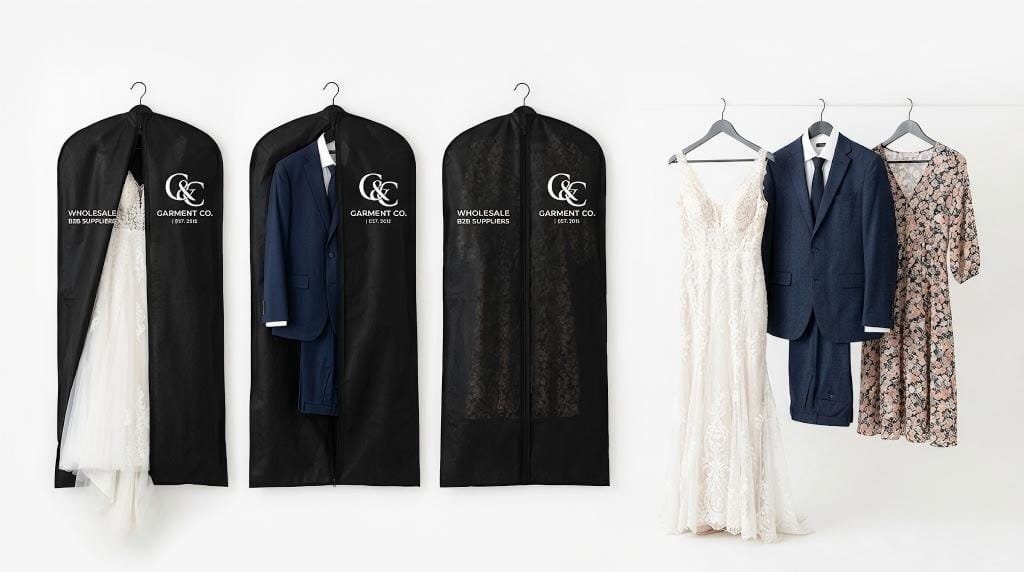
Garment bags are one of the fastest-growing storage products in 2026, with demand rising across Amazon, retail, hospitality, and apparel industries.
As more consumers look for reusable, space-saving clothing protection, wholesale garment bags have become a high-potential category for sellers.
For buyers reviewing related product options, it also helps to compare wholesale garment bags with logo when planning assortment depth and category positioning.
Many importers also evaluate waterproof foldable garment bag alongside this topic to improve cross-selling potential and strengthen wholesale sourcing decisions.
But sourcing the right supplier isn’t easy.
Many Amazon sellers and retailers run into the same issues:
- High MOQs that tie up cash
- Slow production that causes stockouts
- Inconsistent quality leading to bad reviews
- Compliance risks in US/EU markets
In this guide, you’ll learn how to source wholesale garment bags the right way, avoid costly mistakes, and build a product that actually sells.
What Are Wholesale Garment Bags?
Wholesale garment bags are bulk-produced protective clothing covers designed for resale, branding, or operational use.
They are widely used by:
- Amazon FBA sellers
- Retail brands
- Hotels & hospitality groups
- Dry cleaners & laundry services
- Event organizers & uniform suppliers
Compared to retail versions, wholesale garment bags offer:
- Lower per-unit cost
- Full customization (logo, material, size)
- Scalable supply for growing businesses
How Much Do Wholesale Garment Bags Cost?
Pricing varies depending on materials, construction, and customization.
Typical Price Range (2026)
- Basic non-woven garment bags: $1.50 – $2.50/unit
- PEVA water-resistant garment bags: $2.00 – $3.50/unit
- Premium polyester garment bags: $3.00 – $6.00/unit
Key Cost Factors
1. Material
- Non-woven → low cost
- PEVA → water-resistant
- Polyester → premium durability
2. Size & Thickness
- Larger and thicker bags increase material usage
3. Customization
- Logo printing / embroidery
- Custom colors
- Packaging (Amazon FBA-ready, barcode labeling)
4. Shipping Method
- FOB (lower upfront cost)
- DDP (all-inclusive, easier for Amazon sellers)
How to Choose the Right Garment Bag Supplier
Choosing the right wholesale garment bag supplier is often the difference between a profitable product and a failed launch.
Flexible MOQ
Look for suppliers offering low minimum orders (500–1000 pcs) so you can test the market before scaling.
Certifications & Compliance
Ensure the factory meets:
- CPSIA (US)
- REACH (EU)
- BSCI / ISO9001
This prevents customs issues and platform compliance risks.
Sampling Capability
A reliable supplier should provide:
- Pre-production samples
- Material swatches
- Fast sample turnaround
Production Capacity
Make sure they can scale with your business:
- Stable lead times
- Consistent output quality
- Ability to handle repeat orders
Customization Options
To build a brand, your supplier must support:
- Logo printing or embroidery
- Custom sizes and designs
- Retail-ready packaging
The Top 5 Problems Sellers Face (And How to Fix Them)
1. High MOQs That Lock Up Your Cash
Many factories require 2000–5000 pcs, forcing sellers to invest heavily upfront.
Solution:
Work with a supplier offering low MOQ (e.g., 500 pcs) so you can validate demand before scaling.
2. Slow Lead Times That Cause Stockouts
Typical production cycles of 30–45 days can disrupt inventory planning.
Solution:
Choose a supplier with fast production (around 15 days) to maintain stock and ranking.
3. Inconsistent Quality → Bad Reviews
Weak zippers, torn seams, or thin materials lead directly to negative feedback.
Solution:
Look for factories with structured QC systems:
- Pre-production sample approval
- In-line inspection
- Final AQL-based inspection
4. Compliance Issues & Customs Risks
Non-compliant products may be seized or flagged.
Solution:
Work only with certified manufacturers meeting CPSIA & REACH standards.
5. No Customization → No Brand Differentiation
Generic products struggle to compete.
Solution:
Choose a supplier offering full OEM/ODM customization so you can stand out.
Factory vs Trading Company: What’s the Difference?
| Factor | Factory | Trading Company |
|---|---|---|
| Pricing | Lower | Higher |
| Quality Control | Direct | Indirect |
| Customization | Flexible | Limited |
| Communication | Technical | посредник |
For long-term brand building, working directly with a manufacturer is usually the better choice.
Case Study: From 500 pcs Test Order to 5,000 pcs/Month
One of our US Amazon clients started with:
- 500 pcs trial order
- Basic PEVA garment bags
Within 6 months:
- Scaled to 5,000 pcs/month
- Achieved 4.6★ product rating
- Expanded into multiple variations
The key success factor: low-risk entry + consistent supply + quality control
Why Brands Choose Great Shine for Garment Bags
- 16+ years OEM/ODM manufacturing experience
- 100+ global Amazon sellers & retailers served
- Low MOQ starting at 500 pcs
- Fast production: ~15 days
- Full customization: material, size, logo, packaging
- BSCI & ISO9001 certified production
- CPSIA & REACH compliant products
Production Capability
- Multiple production lines
- Stable monthly capacity
- Strict multi-stage quality inspection
Start Your First 500pcs Test Order Today
If you’re planning to launch or scale a garment bag product, the fastest way to validate your idea is to start small—with the right supplier.
Free sample available
24-hour quotation
Amazon FBA-ready packaging
DDP shipping available
Talk to our sourcing team now
Frequently Asked Questions (FAQ)
Q: What is the MOQ for wholesale garment bags?
A: Typically 500 pcs for test orders, depending on customization.
Q: Can you ship directly to Amazon FBA?
A: Yes, DDP shipping to Amazon warehouses is available.
Q: Do you offer samples?
A: Yes, samples are available (shipping cost applies).
Q: Can I fully customize the garment bags?
A: Yes, including material, size, logo, and packaging.
Final Thoughts
Wholesale garment bags are a growing opportunity—but success depends heavily on choosing the right supplier.
The right partner helps you:
- Reduce risk
- Maintain product quality
- Scale efficiently
If you’re ready to build a reliable, best-selling product, start with a supplier that understands Amazon and retail requirements.
Get your free quote today and take the first step toward your next winning product.
Recommended Product Options for Buyers
Buyers who want to expand this category can also review garment bag manufacturer as part of a broader OEM and wholesale product line.
Looking for a reliable OEM/ODM manufacturer for your product line? Contact Great Shine for MOQ, sample support, customization options, and wholesale quotation.