Why Large Storage Boxes Matter
Are your kids’ toys taking over the living room? If you often step on Lego bricks or struggle to find the right place for dolls, blocks, and cars, you’re not alone. A large toy storage box is not just a container—it’s a solution to restore order and sanity to your home. In this guide, we’ll walk you through how to choose the right one based on your family’s needs.
1: Key Factors to Consider Before Buying
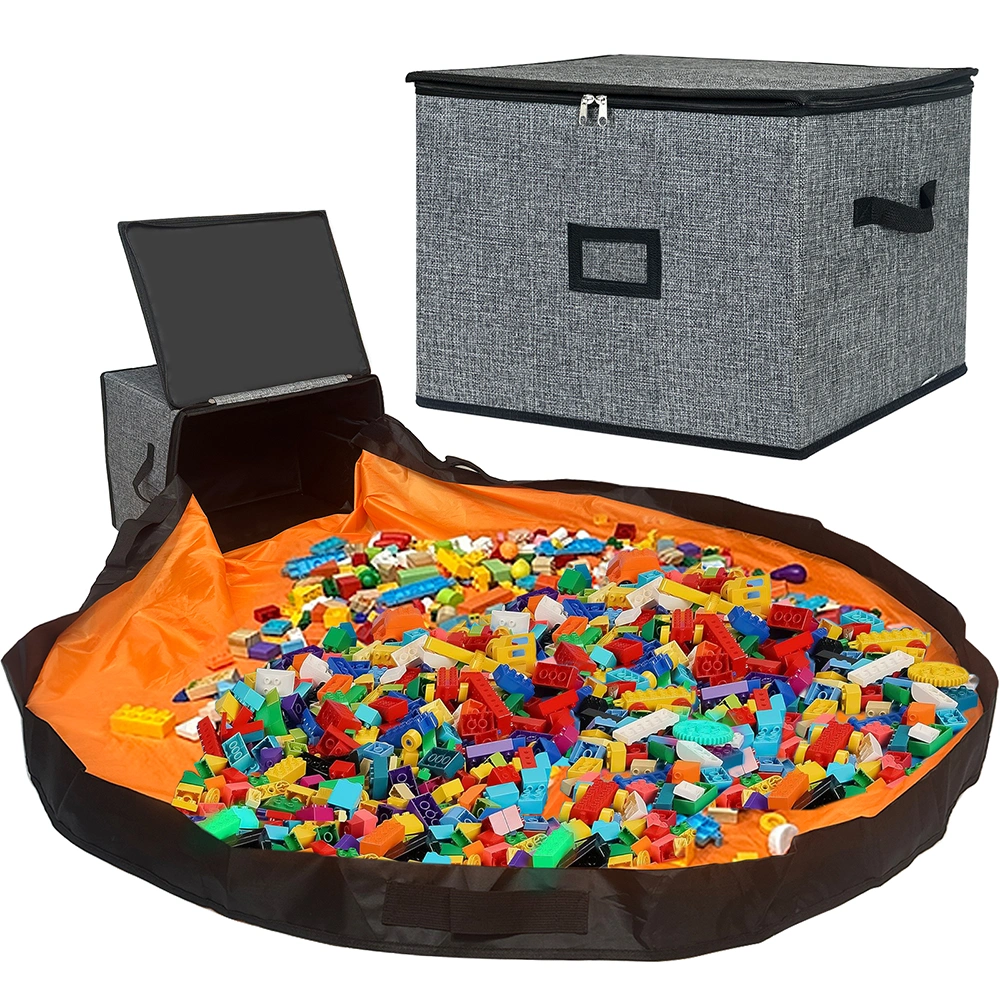
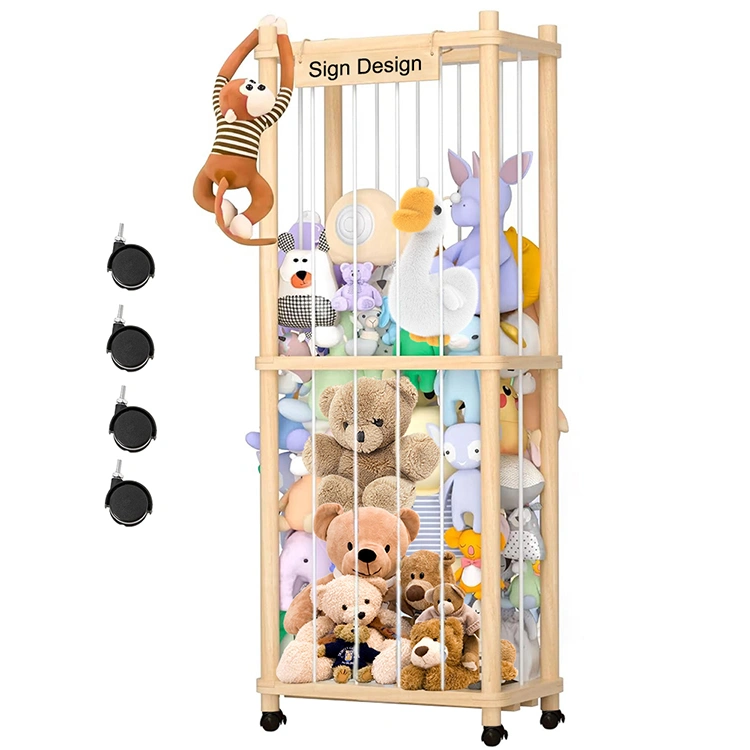
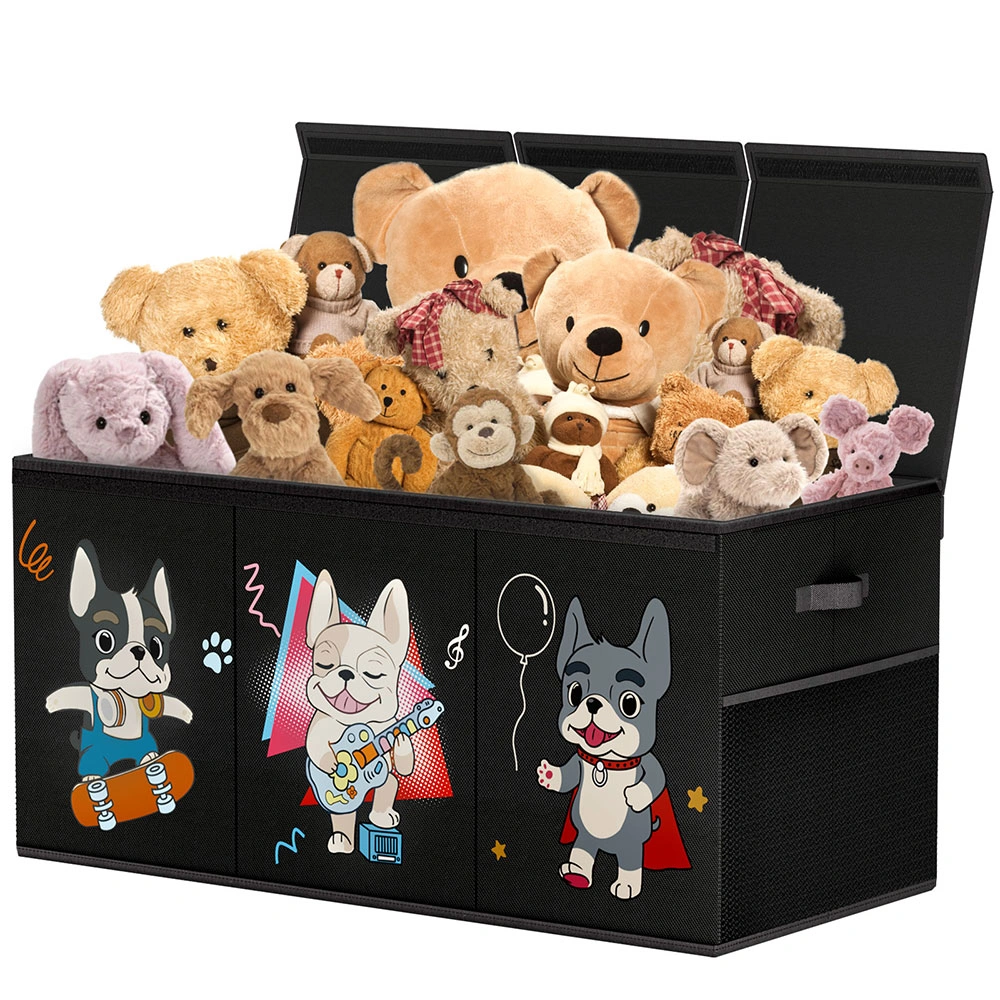
Capacity & SizeNot all “large” boxes are created equal. Consider how many toys your child owns and measure the average toy size. A 60L box may be perfect for plushies, while Legos might require multiple stackable bins.
Material
Plastic: Durable and easy to clean but may crack over time.
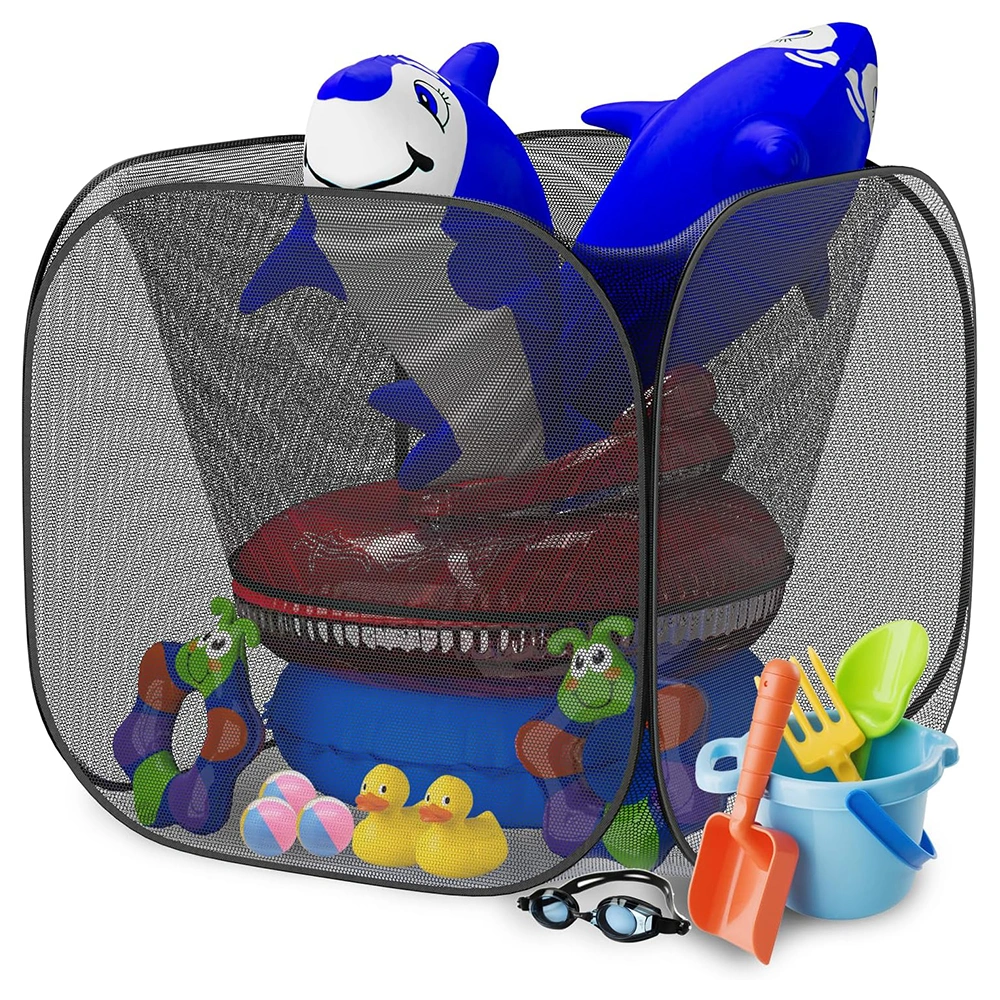
Fabric/Oxford Cloth: Lightweight and collapsible, good for temporary or mobile use.
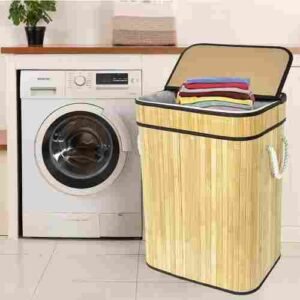
Wooden: Stylish and long-lasting, but heavier and often more expensive.
Safety Features:Look for BPA-free labels, rounded corners, and child-safe lids. Make sure your child can open and close it easily without pinching their fingers.
Mobility: Boxes with wheels are great for younger kids. Look for lockable wheels if you need stability.
Visibility & Accessibility:Transparent boxes help kids find what they need without making a mess. Front-facing openings or labeled sections are a plus.
2: Real-Life Scenarios & Recommendations
For Toddlers: Choose soft-sided bins with no sharp edges. Consider themed designs (e.g., animal shapes) to make clean-up fun.
For School-Age Kids: Stackable, color-coded boxes work well for different toy categories.
For Small Apartments: Collapsible bins or storage ottomans that double as furniture can save space.
3: Common Mistakes to Avoid
Buying the biggest box possible without considering whether kids can move it
Ignoring interior organization (no dividers = big mess)
Choosing bright colors that clash with your home decor (unless it’s for the kids’ room)
4: Frequently Asked Questions
Q1: Can these boxes be stacked?
A1: Yes, many models are designed to be stackable.
Q2: Are these boxes waterproof?
A2: Plastic and certain treated fabrics are water-resistant, but wooden ones usually are not.
Q3: Do they come with lids?
A3: Most do. Lids help with dust protection and stackability.
Q4: Can my child sit on it?
A4: Only boxes labeled as benches or designed for sitting should be used that way.
5: Final Tips for Picking the Right Storage Solution
Measure your space first
Consider how often toys are used (daily vs. rarely)
Involve your kids in the process so they’re more likely to use it
Conclusion
Toy clutter doesn’t have to be your new normal. With the right storage strategy, you can turn chaos into calm. Whether you’re a parent, teacher, or professional organizer, investing in the right toy storage box can make everyday life a lot smoother—for both kids and grown-ups.
Want more tips?
Check out our guide on how to organize kids’ rooms or explore our curated list of the best storage products for small spaces.