Compression travel bags have become an essential packing solution for modern travelers. Whether used by retail stores, travel agencies, or hospitality suppliers, these bags help save space, reduce bulk, and protect belongings—making them a practical addition to any travel-related product line. Here’s what defines a great compression travel bag and what to look for when sourcing or offering them in volume.
1. Efficient Space Reduction
The main function of a compression travel bag is to minimize volume. Quality bags can reduce clothing bulk by up to 50%, allowing more to fit in the same space. This is especially useful for longer trips or customers packing winter gear. When evaluating suppliers, look for bags that maintain compression without tearing or popping zippers.
2. Durable, Tear-Resistant Material
Durability is key for repeat use. The best bags are made from high-density nylon or thick TPU materials that resist punctures and stretching. Reinforced seams and double zippers further enhance performance. Long-lasting materials reduce returns and complaints, making them a better investment for bulk supply.
3. No-Vacuum Compression Options
While vacuum compression bags exist, many travelers prefer manual roll-up types. These require no pump or power source—just roll to expel air. For clients with limited access to vacuums or frequent movers, this convenience is a strong selling point. Offering both types as part of a product range can meet broader customer needs.
4. Versatile Size Options
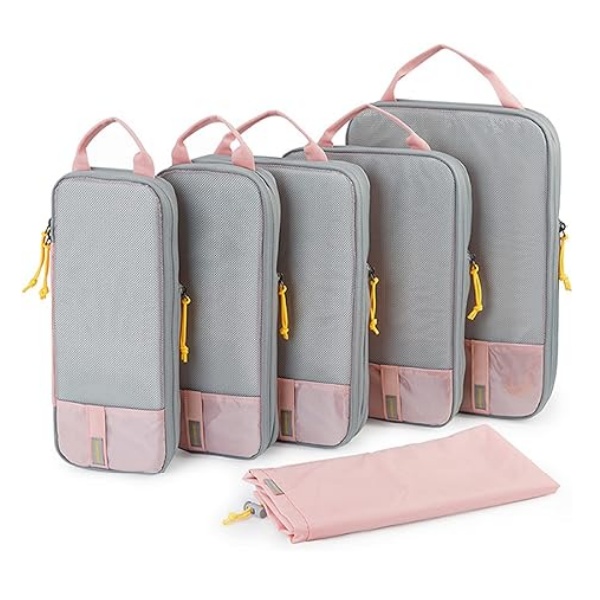
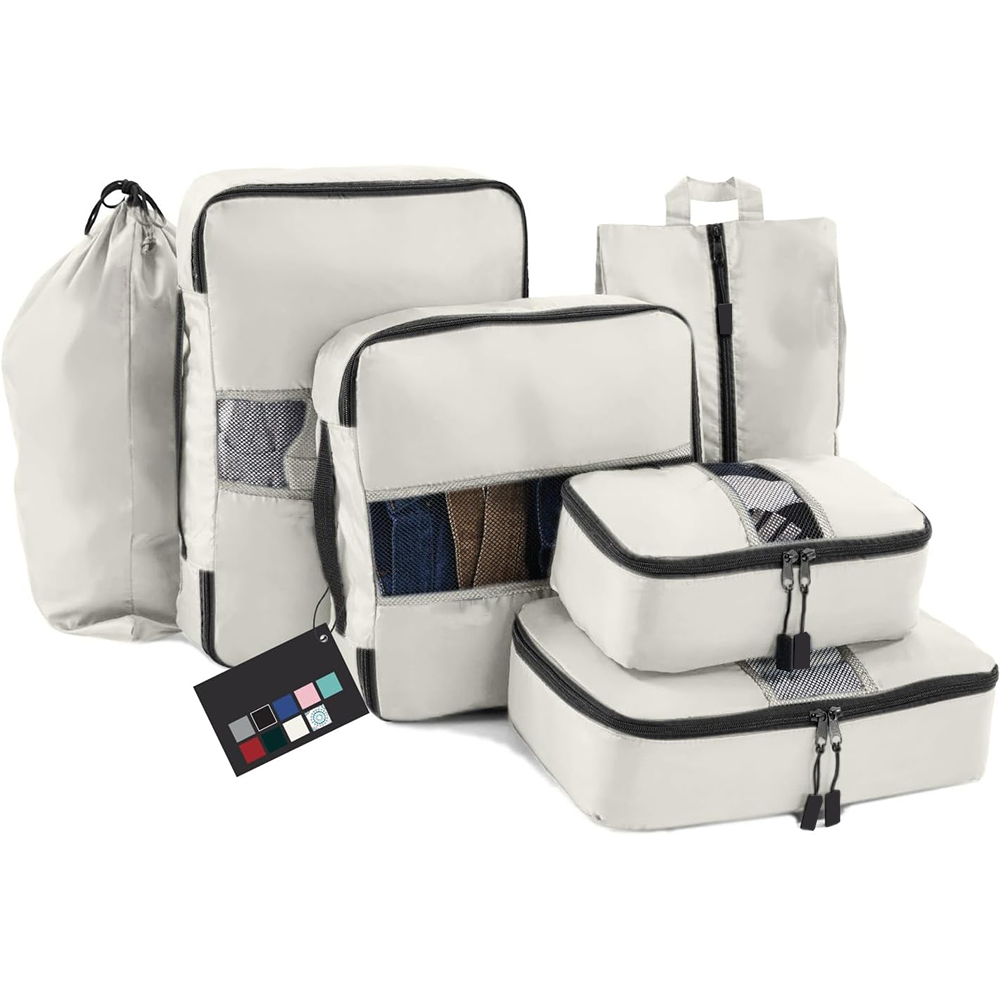
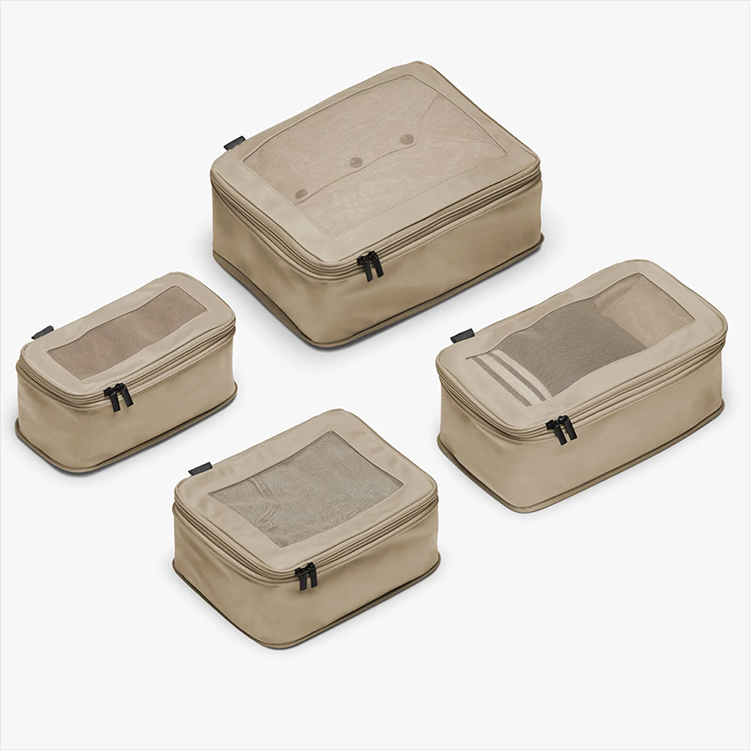
From small pouches for undergarments to large bags for jackets or bedding, a good range of sizes allows users to customize their packing. Multi-size sets are especially popular and increase perceived value. Providing these sets in custom packaging adds appeal for retail or corporate gifting.

5. Lightweight Yet Strong
Compression bags should be lightweight enough not to add excess baggage weight, yet strong enough to handle the pressure of tight packing. High-quality options balance these two features, making them practical for air travel and backpacking alike.
6. Moisture and Odor Protection
Many users value compression travel bags that offer some protection against moisture or odors. This is particularly relevant for outdoor travel or storage of used clothing. Bags with sealed closures help isolate smells and keep clean clothes fresh.
7. Reusability and Easy Maintenance
A great compression bag should withstand frequent use. Bags that can be easily wiped down or hand-washed provide added convenience. Clear care instructions and robust construction help extend the product life cycle, reducing waste and replacement costs.
8. Custom and Bulk Packaging Options
For companies offering these products at scale, branding and packaging flexibility can make a big difference. Compression travel bags that support custom logos, colors, and packaging styles are more attractive for events, hospitality, or retail use. Bulk-ready options help streamline logistics and stock management.
A well-designed compression travel bag adds real value to any travel kit—saving space, protecting items, and keeping luggage organized. By prioritizing quality materials, versatile sizes, and user-friendly designs, you can confidently offer products that meet the practical needs of modern travelers while standing out in the market.