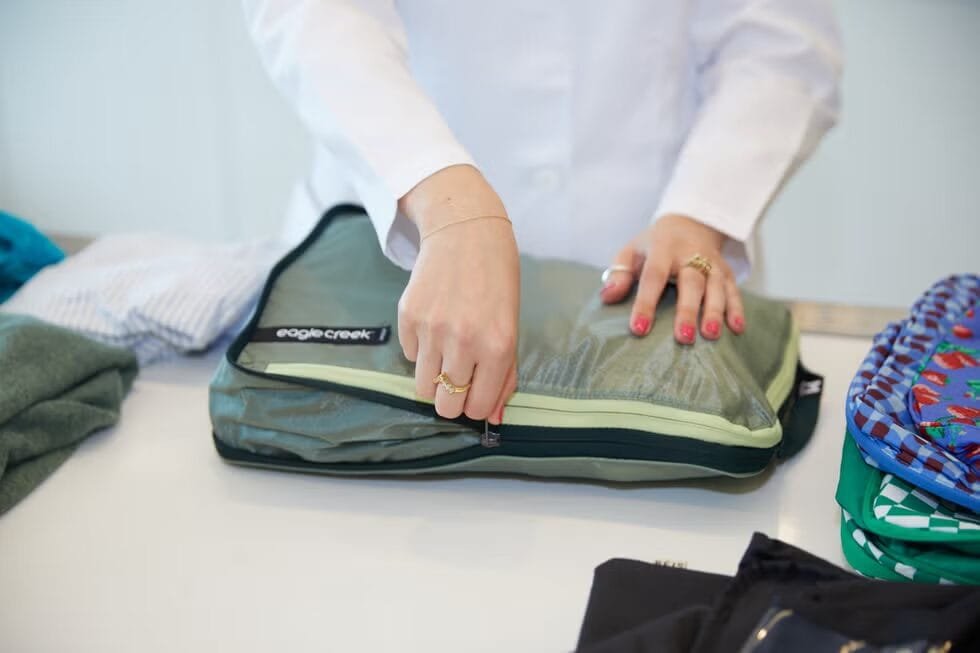
Packing efficiently can make or break your outdoor adventure. Whether you’re hiking across the Alps, backpacking through Southeast Asia, or car camping in the wild, compression packing cubes help you organize, save space, and keep gear accessible. But not all packing cubes are created equal—especially when it comes to rough terrain and limited backpack space.
This guide covers the best types of compression packing cubes for outdoor travel and how to choose and use them like a pro.
Why Use Compression Packing Cubes for Outdoor Adventures?
Unlike hotel-based trips, hiking and backpacking often limit your storage space to a single backpack. That means every inch counts.
Benefits include:
-
Space-saving: Reduce the volume of clothes by 30–50%
-
Organization: Separate clean/dirty clothes, gear, accessories, and toiletries
-
Quick Access: No need to unpack your entire bag to find socks or a jacket
-
Protection: Keep clothing dry and dirt-free in unpredictable weather

Key Features to Look for in Outdoor Compression Packing Cubes
Material Durability
Choose ripstop nylon or high-denier polyester that resists tears, abrasions, and moisture.
Water Resistance
Look for water-repellent coatings or inner linings, especially for rainy or humid climates.
Lightweight Design
Every gram matters. Opt for ultralight compression cubes that don’t add unnecessary weight.
Compression System
Dual-zipper compression (inner zipper for sealing, outer zipper for compressing) works best. Avoid elastic-only systems for long-term reliability.
Reinforced Seams & Handles
Sturdy stitching and top/bottom handles allow easier pull-out access from tight backpacks.
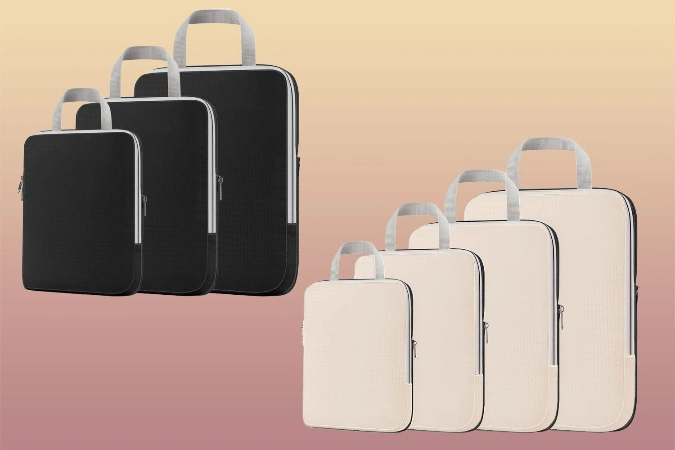
Recommended Packing Cube Sizes for Outdoor Trips
| Trip Duration | Suggested Set | Notes |
|---|---|---|
| 1-2 days | 1 large + 1 small | Quick access to essentials |
| 3-5 days | 2 medium + 1 shoe pouch | Balance weight and capacity |
| 7+ days | 1 large + 2 medium + laundry cube | Helps separate wet/dirty gear |
Top Compression Packing Cube Uses for Hiking & Camping
Clothes
Pack moisture-wicking shirts, pants, and undergarments. Roll items tightly before compression.
Socks & Base Layers
Use a small cube to keep essentials warm, dry, and easy to access during sudden weather changes.
Toiletries & First Aid
Water-resistant cubes double as mini kits for first aid or hygiene.
Shoes or Flip-Flops
Use a ventilated or waterproof shoe bag to separate muddy or wet footwear.
Dirty Laundry
Bring a dedicated laundry compression cube or waterproof dry bag to isolate used clothes.
Compression Cubes vs. Dry Bags: What’s the Difference?
| Feature | Compression Cube | Dry Bag |
|---|---|---|
| Primary Use | Organizing & reducing volume | Waterproof storage |
| Flexibility | Compresses soft gear | Rigid shape for sealing |
| Waterproof | Water-resistant (usually) | Fully waterproof when sealed |
| Ideal For | Clothes, gear, accessories | Electronics, food, documents |
Pro Tip: Use compression cubes inside dry bags for double protection in extreme conditions.
How to Pack Compression Cubes Effectively on the Trail
-
Sort by category: shirts, pants, underwear, etc.
-
Roll, don’t fold: maximizes space and minimizes wrinkles.
-
Pack heavy-to-light: place heavy cubes near your back for better weight distribution.
-
Use color coding or labels: helps identify contents quickly.
-
Don’t overfill: leave some space to reseal zippers easily.
Final Thoughts
When you’re deep in the wilderness or hopping from hostel to hostel, the right packing system can streamline your journey. Compression packing cubes built for outdoor travel are worth every cent if they save you time, space, and frustration on the trail.
Whether you’re an ultralight hiker or a gear-heavy camper, investing in the right cube set will keep your backpack tidy, accessible, and trail-ready.