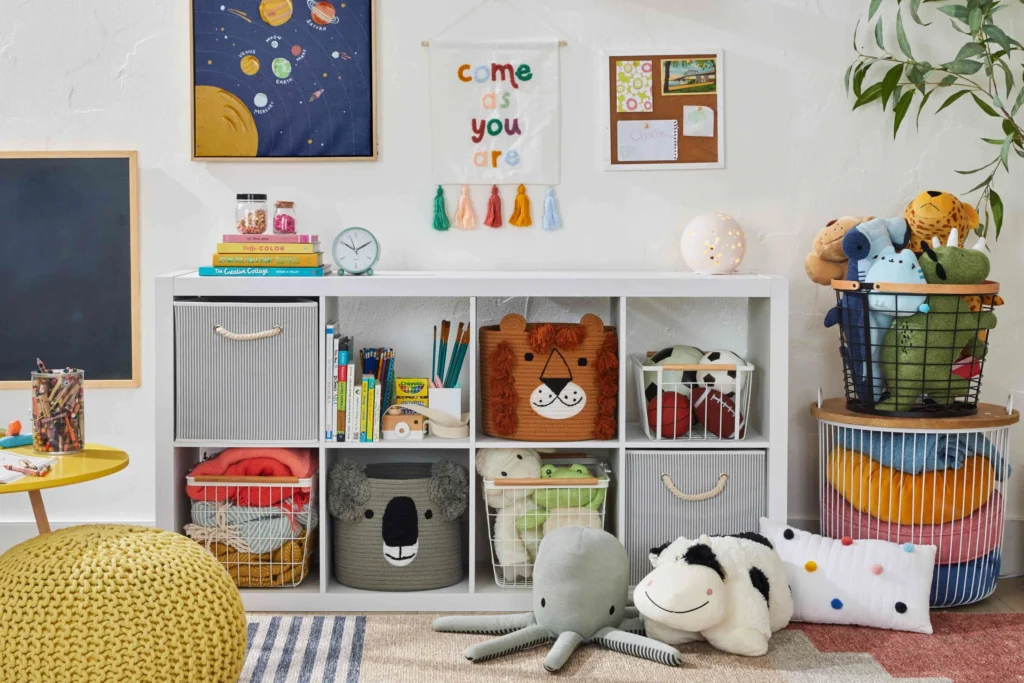
Not All Toy Storage Works for All Kids
If you’ve ever tripped over building blocks or spent 30 minutes searching for a missing stuffed animal, you know toy chaos is real. But here’s the thing: a toy organizer that works for a toddler might completely fail for a school-aged child. Age matters—not just in what toys kids use, but in how they can (and will) store them. This guide helps you match the right type of toy organizer to your child’s age and habits.
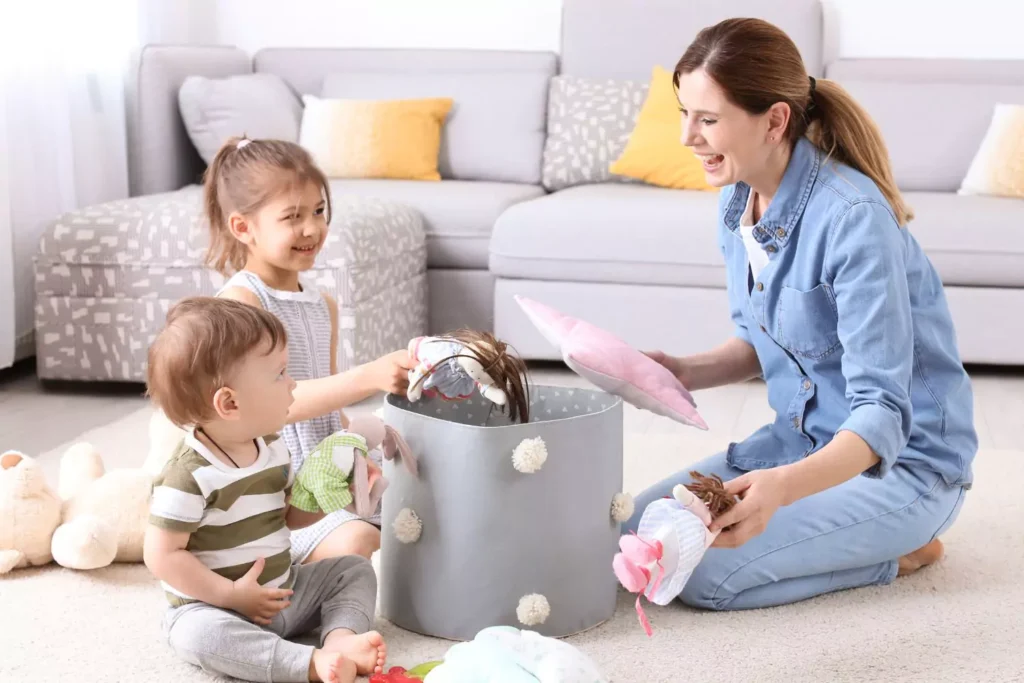
Toddlers (Ages 1–3): Keep It Low and Open
Best Organizer Types:
- Open bins or baskets on the floor
- Low shelves with 2–3 visible items
- Fabric boxes with soft sides
Why It Works:
- Easy for small hands to access
- Encourages independence and early cleanup habits
- No sharp corners or heavy lids
Tip: Use picture labels (e.g., a teddy bear image for the stuffed animal bin) to help toddlers start recognizing categories.
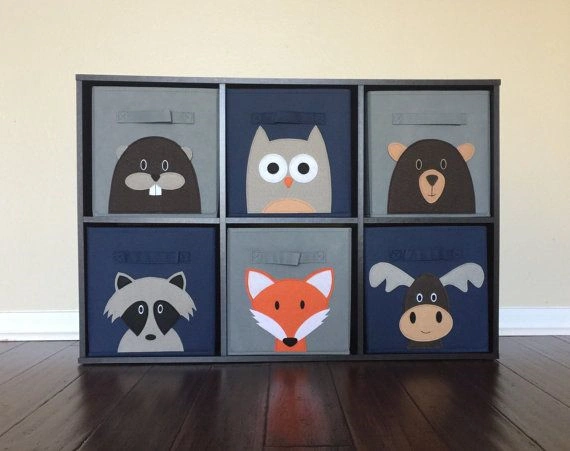
Preschoolers (Ages 4–6): Add Structure, Keep It Simple
Best Organizer Types:
- Multi-bin shelves with removable tubs
- Drawer units with icon or word labels
- Color-coded cubes or baskets
Why It Works:
- They can follow instructions like “put blocks in the red bin”
- Visual systems help them sort toys by type
- Flexibility makes it easy to rotate toys in and out
Bonus: Give each bin a “theme” (e.g., dinosaurs, dolls, cars) to make clean-up feel more like a game.
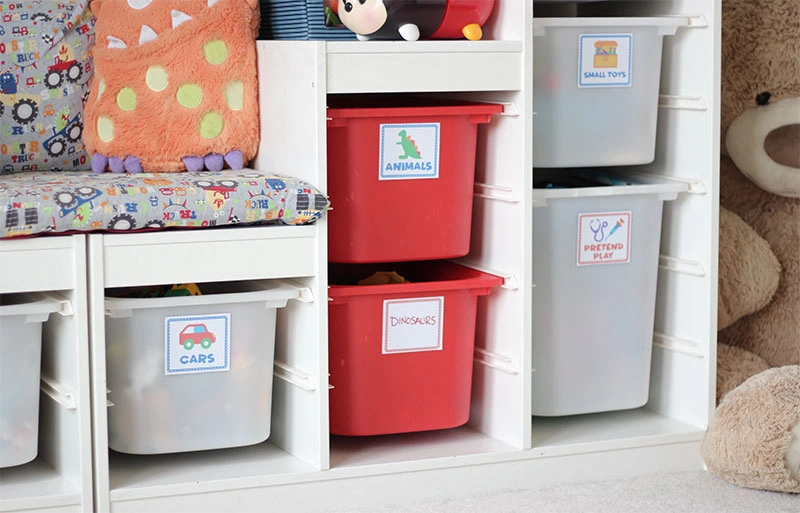
Early Elementary (Ages 7–9): Customize and Compartmentalize
Best Organizer Types:
- Stackable bins or drawer towers
- Cubbies with labeled boxes or crates
- Rolling carts for art or LEGO supplies
Why It Works:
- Kids start having preferences about layout and display
- They can take on more ownership of organization
- Separate zones reduce conflict if toys are shared
Tip: Let your child decorate or label their storage—this gives them a sense of control and makes cleanup feel personal.
Tweens (Ages 10+): Functional Meets Stylish
Best Organizer Types:
- Shelving systems with mixed storage (closed + open)
- Drawer units with dividers for small items
- Wall-mounted shelves or under-bed bins
Why It Works:
- Toys become more hobby-focused (e.g., model kits, electronics)
- Teens want a neater look and less “babyish” style
- Discreet storage helps their room feel mature and personalized
Bonus: Look for organizers that can transition into general storage—think future books, games, or crafts.
What About Shared Spaces?
If multiple kids share a room or playroom, consider:
- Color-coded bins or labels by child
- Double-sided storage units
- Storage towers with one level per age group
This avoids arguments and encourages responsibility.
Final Thoughts: One Size Doesn’t Fit All
Toy storage isn’t just about containment—it’s about enabling kids to access, use, and put away toys on their own. By aligning storage types with developmental stages, you’ll reduce clutter, boost independence, and create a space that evolves as your child grows.