Let’s be honest—thermal bag, insulated bag… aren’t they just two names for the same thing? I used to think that too. But after years of working with buyers who needed large quantities of both, I can tell you: they’re not exactly twins.
They may look similar on the outside, but when it comes to what they do (and how well they do it), there are some key differences worth knowing—especially if you’re trying to pick the right one for your product line or business use.
1. What They're Actually Designed For
A thermal bag is mostly built to keep things warm. Think hot food deliveries, catering, or takeout that needs to stay piping hot for a short drive.
An insulated bag? It works both ways. It keeps your hot stuff hot *and* your cold stuff cold. That makes it more versatile if you’re delivering groceries, meds, or anything that needs stable temps either way.
2. Let’s Talk About the Layers
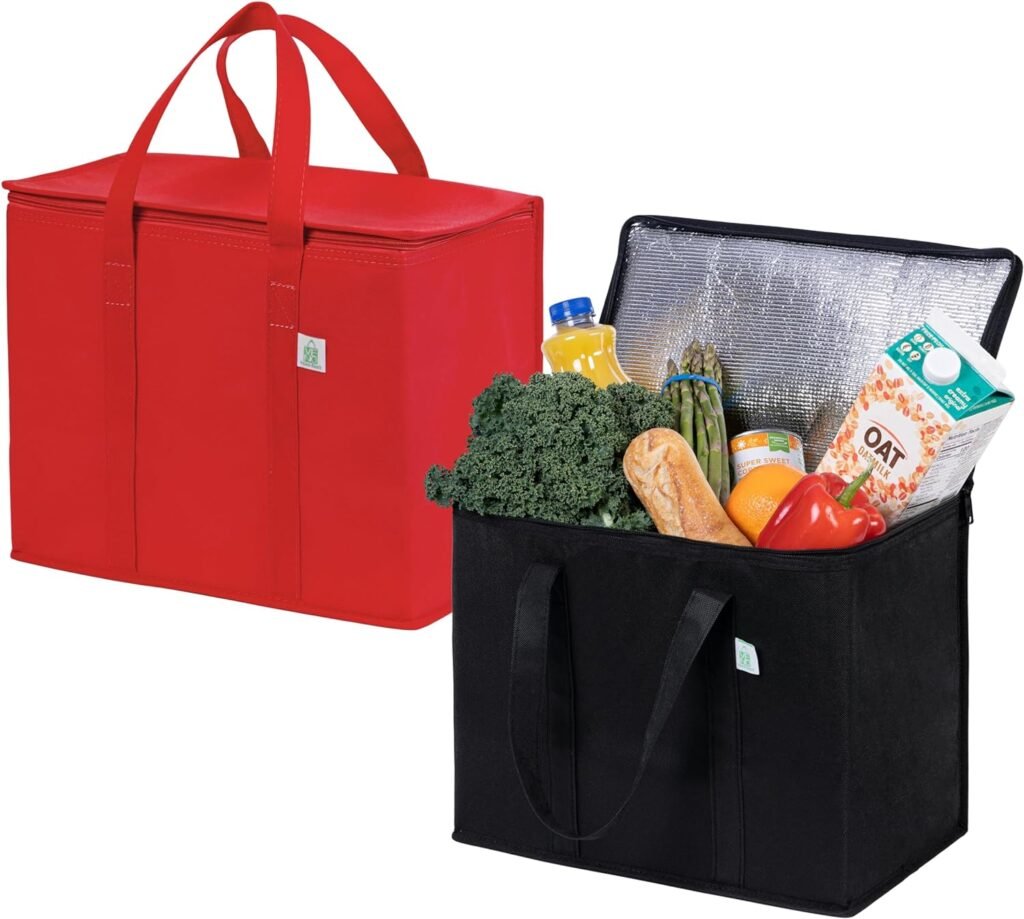
Thermal bags usually have a reflective foil lining inside—great at bouncing heat back toward the contents. But the padding? It’s usually thinner, which is fine for short trips.
Insulated bags go a step further. They’ve got thicker foam or multiple layers that do a better job of slowing down temperature changes. So whether you’re hauling frozen foods or warm lunches, they help hold the line longer.
3. How Long Do They Work?
Need to keep food warm for 30–60 minutes? A thermal bag can totally handle that.
But if you’ve got a longer route, multiple stops, or need to keep ice packs frozen, you’ll want an insulated bag. Some of them can hold temperature for several hours—super handy for more demanding delivery setups.
4. Flexibility in Use
Thermal bags are often used by restaurants, food trucks, and meal prep companies—basically, anywhere hot food needs to move fast.
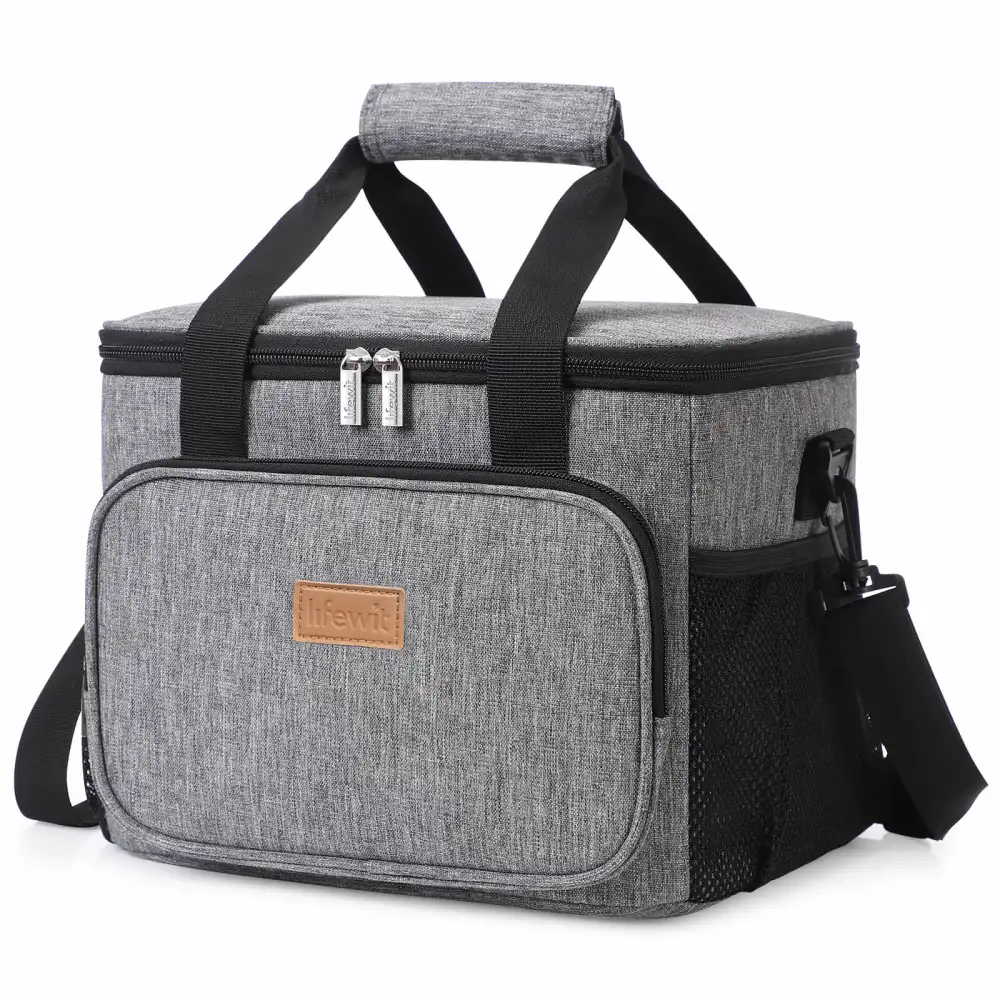
Insulated bags are the go-to when you need more flexibility. Cold drinks? Hot soups? Even sensitive goods like cosmetics or medicine? Yup, an insulated bag has your back.
5. Shape, Structure & Durability
Thermal bags are usually lightweight and easy to fold up. Great for quick use and storage.
Insulated bags are more rugged. They might have thicker walls, firm bases, or leak-proof linings. Some even come with compartments. That structure makes a big difference if you’re loading up heavy stuff or stacking them in vans.
6. Custom and Bulk Options
Both types can be made in different sizes, colors, and materials. But insulated bags often allow for more advanced customization—think waterproof linings, stronger zippers, reinforced straps.
If you’re ordering in bulk or need something tailor-made for your business, it’s worth checking which model gives you more flexibility.
So… Which One Should You Choose?
Here’s the deal:
* Go with **thermal bags** if you’re mostly delivering warm food, short distances, and want something cost-effective.
* Choose **insulated bags** if you need something tougher, more versatile, and able to handle both hot and cold items for longer periods.
Choosing the right bag isn’t just about looks—it’s about matching the design to the job. Whether you’re restocking for a delivery fleet or sourcing custom bags for resale, knowing the difference helps you offer the right solution from the start.